Economy
Cambodia Says IMF Downgrade Reflects External Shocks, Maintains 4.2% Growth Target
PHNOM PENH, July 9, 2026 (KPT) — Cambodia has pushed back against the International Monetary Fund’s revised projection of 3 percent growth in 2026, saying the downgrade reflects exceptional external shocks rather than a weakening of domestic fundamentals.
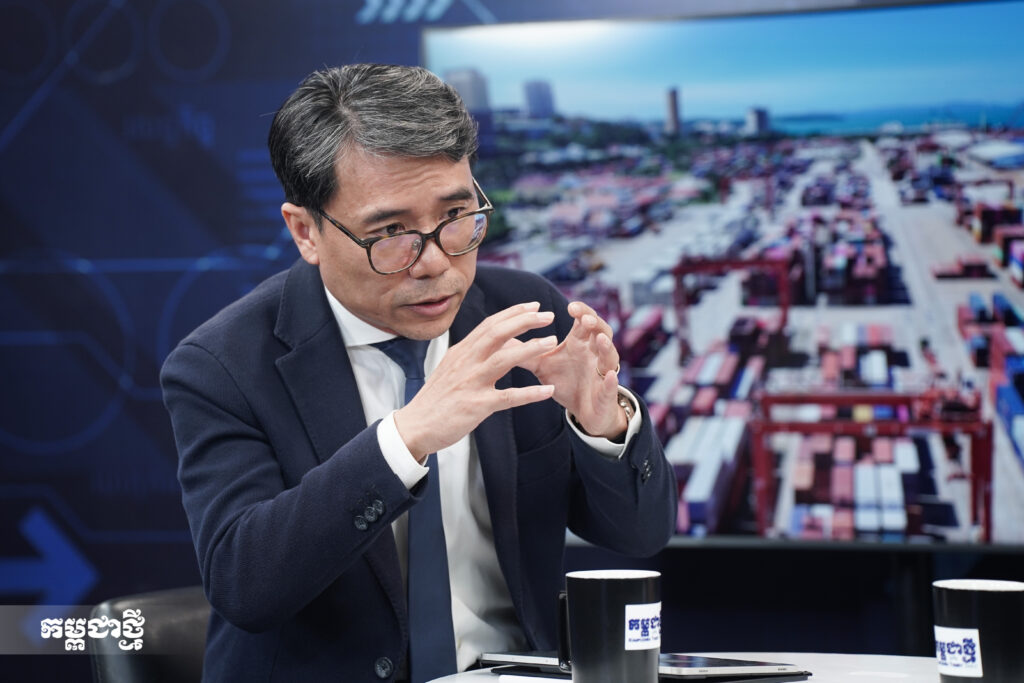
Meas Sok Sensan, Secretary of State and spokesman for the Ministry of Economy and Finance, told KPT English the IMF’s assessment should be viewed in context. He said the revision primarily captures the impact of higher global energy prices driven by geopolitical tensions, the Cambodia–Thailand border situation and continued uncertainty in the global economy. “It does not signal deterioration in Cambodia’s economic fundamentals,” he stressed.
Sok Sensan noted the IMF itself acknowledged Cambodia’s macroeconomic resilience, pointing to a stable exchange rate, strong foreign direct investment and adequate international reserves. He said the Fund also recognised the government’s timely interventions to cushion external shocks and highlighted the importance of continuing structural reforms to strengthen competitiveness, diversify exports, reinforce energy security and improve governance.
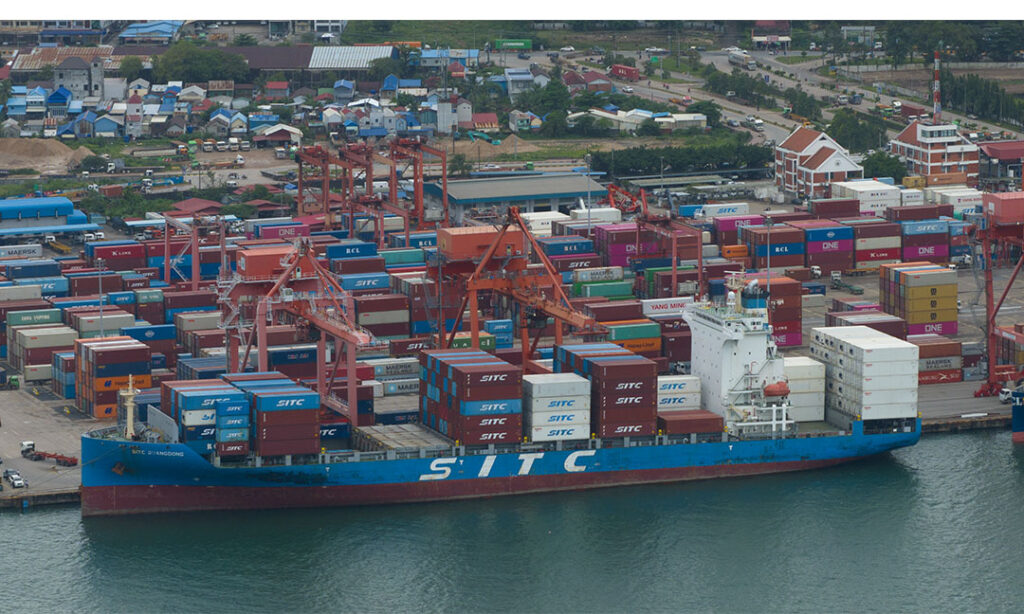
While respecting the IMF’s assessment, Sok Sensan said the Royal Government maintains its projection of 4.2 percent growth in 2026. He cited encouraging indicators in the first five months of the year, including stronger‑than‑expected non‑garment exports and resilient domestic activity, backed by consultations with ministries, institutions and the private sector.
To address external pressures, the government has approved a $1.244 billion intervention programme combining state budget resources, institutional funds, tax measures and partner support. The package includes temporary relief such as tax cuts on selected petroleum products to mitigate inflation, while protecting vulnerable households and businesses. Longer‑term measures are structured around three pillars: protecting livelihoods and employment, strengthening vocational skills linked to job creation, and reinforcing resilience through energy security, reforms and governance improvements.
Sok Sensan added that Cambodia continues to implement structural programmes, including the Competitiveness Enhancement Programme and the 2025–2028 Business and Investment Environment Improvement Programme. These initiatives aim to streamline procedures, accelerate digitalisation of public services, diversify exports and strengthen investor confidence.
He said the difference between the IMF and government forecasts should not be seen as a dispute over Cambodia’s trajectory, but as a reflection of different assumptions about the magnitude and duration of current shocks. “Both assessments acknowledge Cambodia’s resilience and the importance of prudent macroeconomic management while accelerating reforms to support sustainable and inclusive growth,” he said.
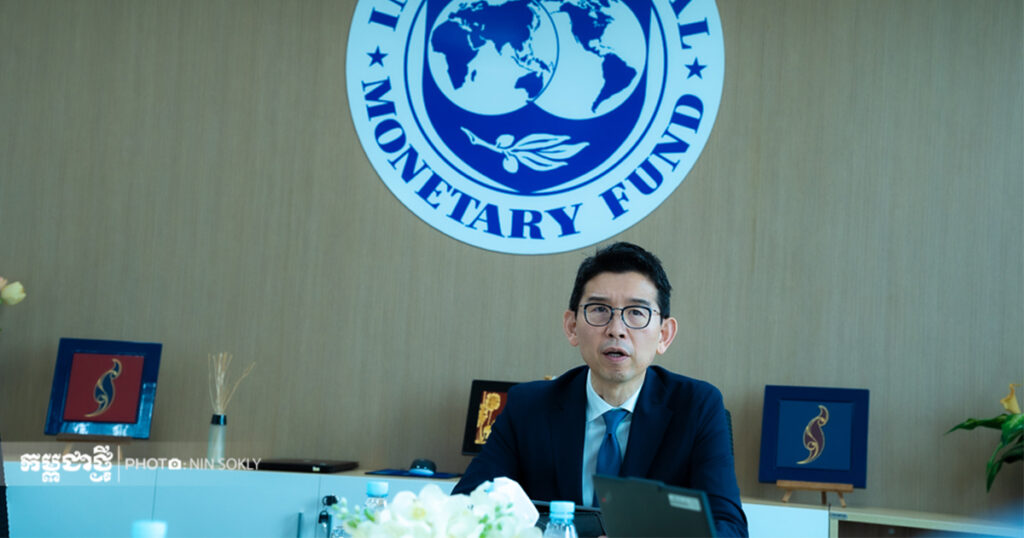
The IMF on Wednesday projected Cambodia’s economy would slow sharply to 3 percent in 2026, citing risks from higher energy prices, global trade uncertainty, weak tourism and subdued domestic demand. The Fund urged targeted fiscal support and accelerated reforms to preserve macroeconomic and financial stability.
Growth moderated to 5.3 percent in 2025, down from 6.0 percent in 2024, supported by exports, foreign direct investment and infrastructure spending. But domestic demand, construction and real estate remained sluggish. The IMF expects recovery in 2027, though it cautioned risks remain significant, including volatile energy markets, weaker external demand, El Niño’s impact and reputational damage from scam‑related activities weighing on tourism and investor confidence.








-
 Opinion1 month ago
From Connectivity to Resilience: How Japan’s Strategic Shift Could Transform Cambodia’s Next Development Phase
-

 National4 weeks ago
Samdech Techo Hun Sen Says Cambodia Can Meet Defence Needs Through Domestic Production
-
 Economy2 months ago
Cambodia Welcomes 1 Million Tourists in Q1, But Arrivals Fall Sharply Amid Regional Pressures
-
 Opinion2 months ago
Op-Ed: A Decade of Dialogue, Yet Many Challenges Remain
-
 Economy2 months ago
Cambodia Air Cargo Surges 36% Despite Dip in Passenger Traffic
-

 Education2 months ago
Cambodia Launches Nationwide Live Teaching Program to Narrow Education Gap
-
 Economy2 months ago
Cambodia’s Special Economic Zones Post Strong Export Growth in Early 2026
-

 Economy2 months ago
Cambodia Stock Exchange Seen as Key to Financing Growth