Opinion
From Connectivity to Resilience: How Japan’s Strategic Shift Could Transform Cambodia’s Next Development Phase
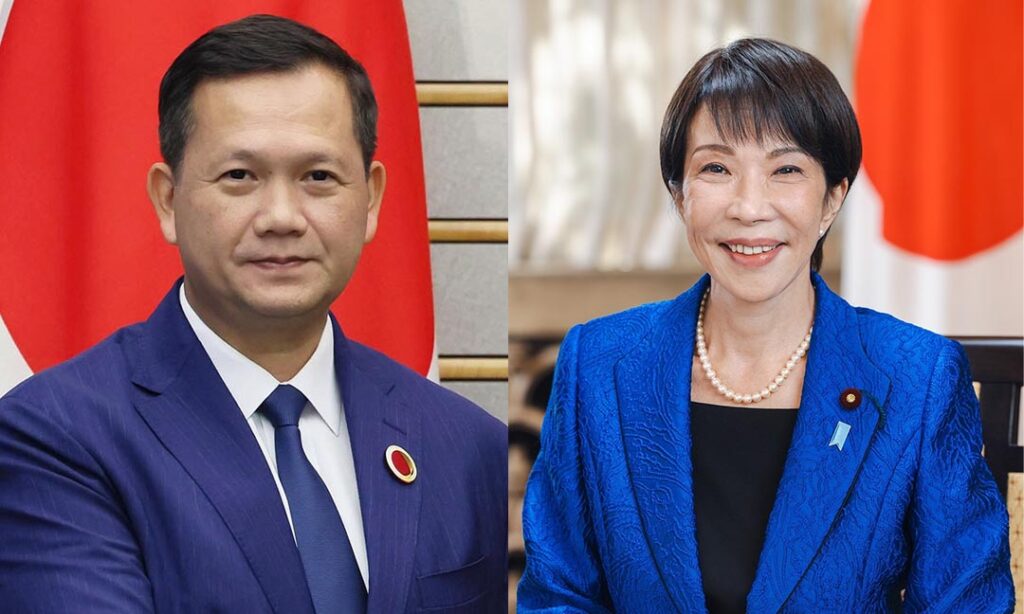
In line with the new foreign policy direction of Japan under its current PM Takaichi Sanae‚ Tokyo’s perception of Asia‚ ASEAN and mainland Southeast Asia has gone beyond infrastructural development assistance and provision of aid‚ which have customarily been the main focus of Japan’s Asia policy․
Rather‚ it is seeking to reposition itself as Asia’s most resilient partner over the long-term‚ across economic‚ technological‚ energetic‚ digital and institutional affairs․ For Cambodia‚ it could be one of the most important geopolitical and economic opportunities of the coming decade‚ if handled carefully‚ realistically and subtly․
The importance lies not just in the substance of Japan’s offers‚ but in the kind of regional order Japan is now trying to shape․ With increasing frequency‚ Japan’s leaders speak of “autonomy”‚ “resilience”‚ “supply-chain security”‚ “energy diversification”‚ “digital connectivity” and “public-private co-creation” to provide a feeling of the recalibration that is occurring in the Asia-Pacific․
Japan seems to have understood that most Asian countries want to avoid becoming too closely tied to some single center of gravity․ Tokyo is trying to offer something that is more politically palatable and that avoids creating a stronger East-West geopolitical dichotomy: diversification without confrontation‚ planned balancing without public polarization‚ and economic resilience without ideological alignment․
This more subtle approach is particularly suited to Cambodia․ At the same time‚ broader economic changes have placed Cambodia at a particular crossroads․ Over the past decade‚ its infrastructure has been rapidly expanded‚ industries transferred to it‚ and investments made․
But Cambodia also knows that it should diversify its planned partners‚ upgrade its technological base‚ diversify its export markets and improve the resiliency of its institutional framework‚ to make growth more sustainable and less shock-prone․ Japan’s new policy direction fits those needs almost to a tee․
A prime example is the Asia Zero Emission Community (AZEC)․ Initially framed around decarbonization and the energy transition‚ it is evolving into a regional resilience architecture․ At the April 2026 AZEC Plus Summit‚ the member states launched the “POWERR Asia” initiative‚ which covers clean energy‚ emergency energy supply‚ planned reserves‚ critical minerals‚ industrial upgrading and stabilizing regional supply chains‚ and energy security and decarbonization․
This applies equally to Cambodia․ Cambodia will remain vulnerable to energy price shocks‚ disruptions of energy supplies and the cost of industrial energy․ A Japanese project‚ to support regional energy storage systems‚ regional mechanisms for securing fuel supply‚ diversification into biofuels‚ and energy-saving industrial modernization‚ offers Cambodia a structural improvement in resiliency‚ without disrupting its existing economic model․
More importantly‚ Japan is linking energy security with industrial development․ That means Cambodia would not have to just be a receptor of investment‚ but a participant in emerging regional industrial ecosystems linked to green manufacturing‚ energy-efficient production‚ digital connectivity‚ and logistic corridors․
In addition‚ language matters: Japan has continued to use the term “co-creation” rather than “purchaser” to describe its role‚ indicating that Tokyo understands that ASEAN countries want more agency and policy space․
This provides some room for Cambodian diplomacy․
Cambodia could seek planned depth and deepen its partnership with Japanese-led initiatives in politically non-sensitive‚ yet economically transformative sectors to avoid being perceived as taking sides or making meaningful changes to its foreign relations․
- supply-chain resilience‚
- digital infrastructure‚
- AI ecosystem development‚
- semiconductor-linked vocational training‚
- logistics modernization‚
- renewable energy integration‚
- critical minerals processing‚
- industrial upgrading‚
- smart agriculture‚
- and human capital development․
In Japanese FOIP‚ a slightly different take is added in the form of economic infrastructure for the age of AI and data․ Particularly in Southeast Asia‚ the model has shifted from low-cost labor to digital connectivity‚ more advanced manufacturing industries‚ data‚ and good human resources as an advantage of location․
Cambodia risks falling behind if it only focuses on low value-added assembly activities․ Here is where Japanese engagement could really shine․
Unlike investments that are simply about the money‚ historically Japan’s contribution has been the technical standards and human resource development‚ production discipline‚ industrial ecosystems and institutional capacity-building that could help to accelerate Cambodian participation in higher value manufacturing and service supply chains․
Another point to note is the specific mentions of semiconductors‚ critical minerals‚ undersea cables‚ Open RAN‚ satellite (satcom) and all-optical networks which‚ though at present not at the front end of the global value chain‚ Cambodia can nevertheless be part of the ecosystem which supports the above-mentioned industries․
- regional data-routing infrastructure‚
- digital services hubs‚
- component manufacturing‚
- specialized SEZ clusters‚
- technical education partnerships‚
- and planned logistics servicing․
This would help upgrade Cambodia’s status in the ASEAN supply chain‚ rather than relegating it to the lower tier of regional production networks․
Discussions‚ such as those of the Quad‚ support this movement․ Energy security‚ critical minerals‚ maritime safety‚ and supply chain disruption raise the cost of efficiency-only approaches in the Indo-Pacific economic system‚ meaning resilience matters as much as efficiency․
To Cambodia much more opportunity than danger would be presented‚ if handled diplomatically․
Countries able to maintain a balance between the major hubs of power in the world‚ provide political stability‚ logistical accessibility‚ industrial openness‚ and neutrality of economic policy and trade‚ will be valuable to the new regional order․
In fact‚ Cambodia is in a good position to do so․ Cambodia‚ geographically located in between the ASEAN production corridors and with diplomatic relations with all major players‚ is ideally positioned․ Economically still open and market-oriented‚ diplomatically‚ Cambodia has customarily preferred a strategy of pragmatism over confrontation․
These features fit very well with the sort of regional environment that Japan seems to be encouraging․
However‚ Cambodia should guard against passive opportunism․ It will not be enough simply to wait for the private sector role to increase as a result of these policies becoming more attractive․ Cambodia may need a more coordinated long term positioning strategy․
Other areas are also developed:
- First‚ Cambodia should work to be a quietly neutral and reliable regional resilience partner without appearing too much like a frontline geopolitical actor‚ which is what would also make it more attractive as an economic partner․
- Second‚ Cambodia should accelerate technical and vocational strengthening․ Japan’s new regional strategy gives additional focus to advanced industrial ecosystems․ Without substantial investment in human capital‚ Cambodia will struggle to take advantage of the next phase of investment․
- Third‚ Cambodia should make greater use of Japanese private sector networks in addition to government networks‚ given Tokyo’s increasing emphasis on public-private cooperation․ Japanese companies‚ trading houses‚ technology firms‚ logistics operators and industrial consortiums will therefore be as important as official diplomacy․
- Fourth‚ Cambodia could become an ASEAN “resilience connector” that brings together and strengthens the manufacturing corridors‚ logistics networks‚ agricultural production and new digital ecosystems as the engines of ASEAN’s future growth․
- Fifth‚ Cambodia needs to develop sectors to address future regional vulnerabilities․
- food security‚
- energy resilience‚
- logistics continuity‚
- digital redundancy‚
- and critical industrial support services․
These sectors are likely to become all the more calculated in the next decade․
Perhaps most importantly‚ Cambodia should continue its quiet diplomacy․ Indeed‚ Japan’s current policy is providing Cambodia the space to diversify its external relations without necessarily tangling with any existing partner․ The language Tokyo uses is consistently one of inclusiveness‚ openness‚ and autonomy․ Framing the issue this way provides political cover for countries like Cambodia․
In many ways‚ the deeper message of Japan’s latest policy shift is this:
In Asia‚ calculated flexibility‚ resilience‚ diversification‚ and balanced interdependence will increasingly be preferred over rigid alignments‚ over-dependence‚ over-reliance‚ and overconcentration on particular partners or regions and countries․ In the long run‚ however‚ with skillful handling‚ this fluid environment may actually improve Cambodia’s tactfully calculated importance․
David Van, a veteran Cambodian business strategist and public policy advisor. The views expressed in this article are solely his own and do not represent those of KPT English.











-

 National1 month ago
Cambodia Expands Free ID Services While Introducing Clear Fee Structure for Administrative Documents
-
 National3 weeks ago
Cambodia proposes trilateral anti‑crime liaison mechanism with Laos, Vietnam
-
 National2 weeks ago
PM Hun Manet to visit China as trade surges and investment deepens
-

 National2 weeks ago
Cambodia says four soldiers injured in border blast, investigation launched
-

 National1 month ago
Samdech Techo Hun Sen Says Cambodia Can Meet Defence Needs Through Domestic Production
-
 National2 weeks ago
Cambodia opens new distribution hub to expand market access for local businesses
-
 Economy2 months ago
Cambodia Welcomes 1 Million Tourists in Q1, But Arrivals Fall Sharply Amid Regional Pressures
-

 Opinion2 months ago
Op-Ed: A Decade of Dialogue, Yet Many Challenges Remain