National
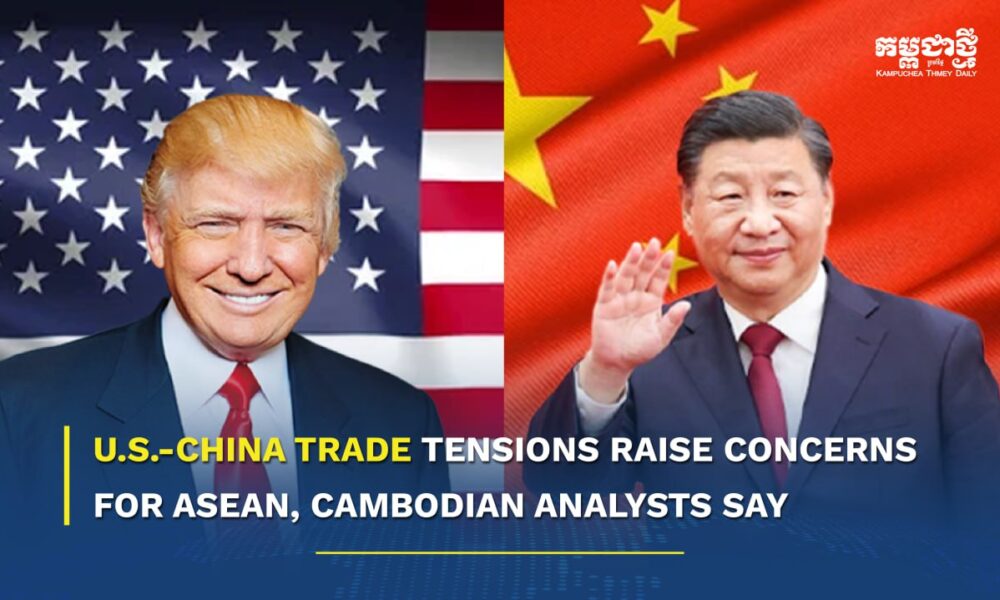
U.S.-China Trade Tensions Raise Concerns for ASEAN, Cambodian Analysts Say
PHNOM PENH, Cambodia (Oct.21, 2025— Escalating trade and geopolitical tensions between the United States and China are creating ripple effects across smaller ASEAN economies, including Cambodia, according to Cambodian analysts.
Thong Mengdavid, a geopolitical and international security analyst, said that while Cambodia is not directly involved, it remains vulnerable due to its strong economic ties with both powers.
“Cambodia is indirectly affected because both the U.S. and China are major economic partners,” he said. “Tariff wars can disrupt global supply chains, reduce export demand and slow investment flows into Cambodia.”
To mitigate these risks, Mengdavid urged the country to maintain a neutral and pragmatic foreign policy guided by ASEAN centrality.
“Economically, Cambodia should diversify its markets and investment sources, expanding trade with ASEAN, Japan, South Korea and the European Union to reduce dependence on any single partner,” he said.
He also emphasized that strengthening domestic competitiveness, improving governance and promoting digital and green industries would help Cambodia become more resilient to external shocks.
Yang Peou, secretary-general of the Royal Academy of Cambodia, echoed these concerns, warning that the tariff confrontation between the world’s two largest economies has serious implications, particularly for the ASEAN region.
“A country like Cambodia can’t escape from this confrontation,” Peou said. “Of course, it impacts Cambodia’s economy. China is the biggest investor in Cambodia, and the United States is our largest export market. We depend on both.”
Beyond trade, Peou also raised alarms about broader geopolitical risks.
“This confrontation is not just economic, it’s also geopolitical,” he said. “ASEAN has become a key region in the strategic competition between the two superpowers.”
“Cambodia must avoid being dragged into this,” Peou said. “We are a small country and should remain neutral. I caution groups or individuals who try to link Cambodia’s internal issues to these superpowers. It’s dangerous, and we must avoid it.”
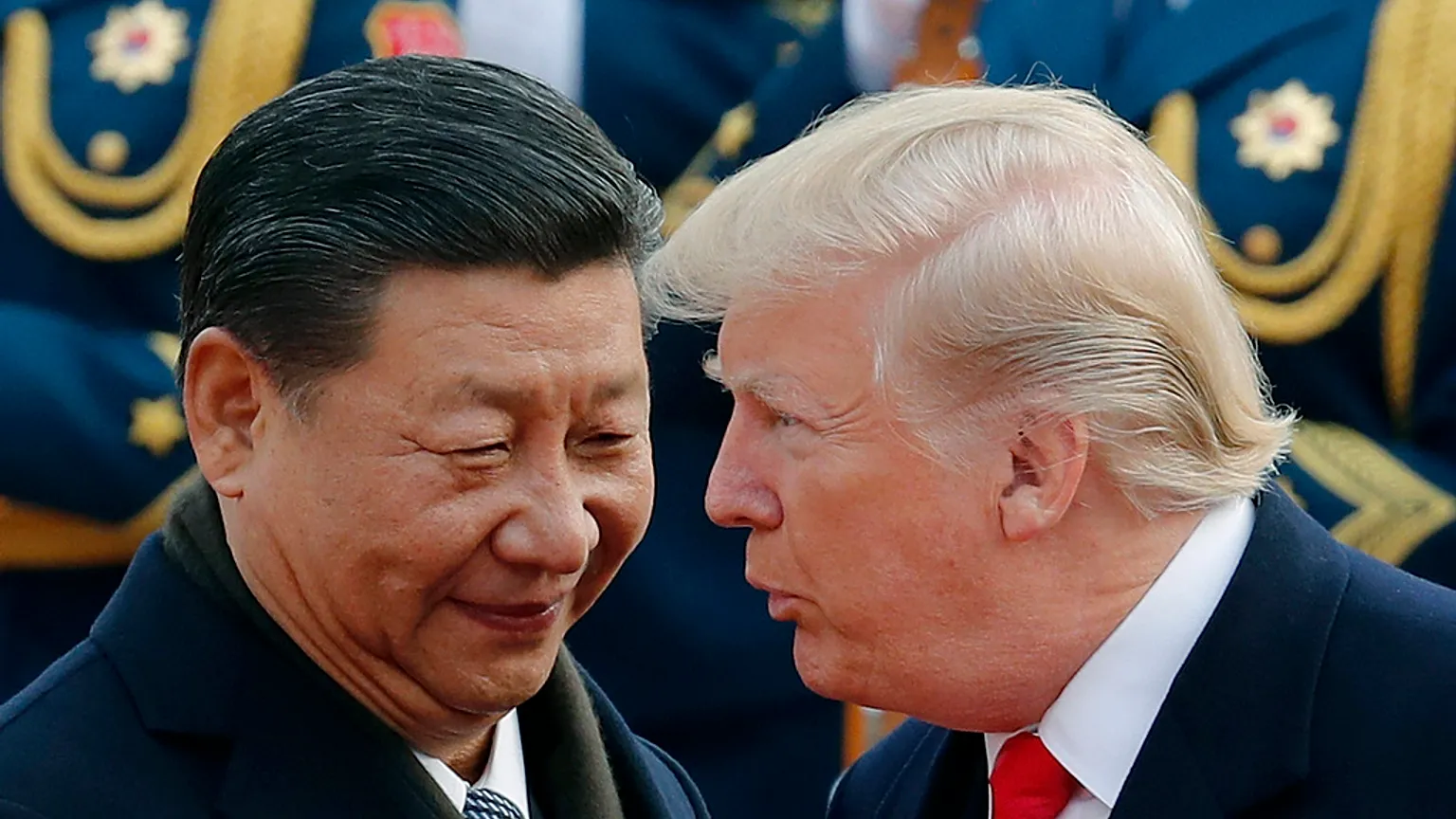
The warnings from Cambodian experts come as U.S. President Donald Trump announced plans to impose an additional 100% tariff on Chinese goods, on top of existing 30% tariffs, starting Nov. 1 or sooner — a major escalation after months of trade truce.
“The United States of America will impose a tariff of 100% on China, over and above any tariff that they are currently paying,” Trump said in a post on Truth Social on Friday afternoon. “Also on Nov. 1, we will impose export controls on any and all critical software.”
In response, China’s Ministry of Commerce accused the U.S. of “threatening to intimidate” with the new tariffs.
“This is not the right way to get along with China,” a ministry spokesperson said Tuesday, adding that China would “fight to the end” in ongoing trade talks.

-

 National2 months ago
Cambodia Expands Free ID Services While Introducing Clear Fee Structure for Administrative Documents
-
 National3 weeks ago
Cambodia proposes trilateral anti‑crime liaison mechanism with Laos, Vietnam
-
 National3 weeks ago
PM Hun Manet to visit China as trade surges and investment deepens
-

 National2 weeks ago
Cambodia says four soldiers injured in border blast, investigation launched
-
 National1 month ago
Samdech Techo Hun Sen Says Cambodia Can Meet Defence Needs Through Domestic Production
-

 National3 weeks ago
Cambodia opens new distribution hub to expand market access for local businesses
-
 Opinion2 months ago
From Connectivity to Resilience: How Japan’s Strategic Shift Could Transform Cambodia’s Next Development Phase
-
 Economy2 months ago
Cambodia Welcomes 1 Million Tourists in Q1, But Arrivals Fall Sharply Amid Regional Pressures