Politics
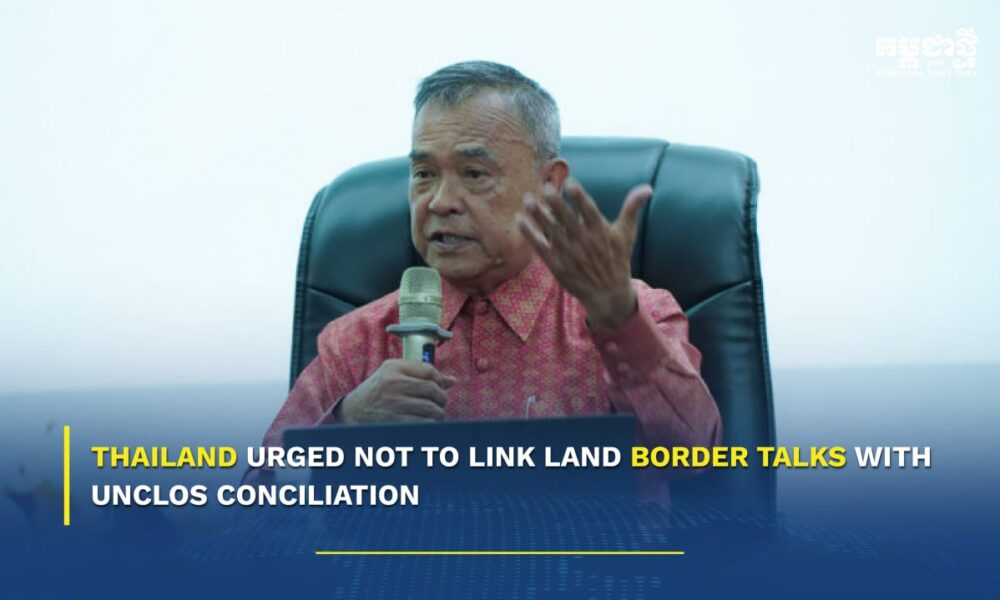
Thailand Urged Not to Link Land Border Talks with UNCLOS Conciliation
PHNOM PENH, July 23, 2026 (KPT) – Thailand should continue bilateral border negotiations with Cambodia while participating in the ongoing United Nations Convention on the Law of the Sea (UNCLOS) compulsory conciliation process, as the two tracks should not be treated as mutually dependent, former Cambodian Mines and Energy Minister Pou Sothirak said Thursday.
Sothirak, now a senior advisor at the Cambodian Center for Regional Studies, told KPT English that suspending mechanisms such as the Joint Border Commission while the UNCLOS process is underway would undermine confidence and reduce chances of a peaceful settlement.
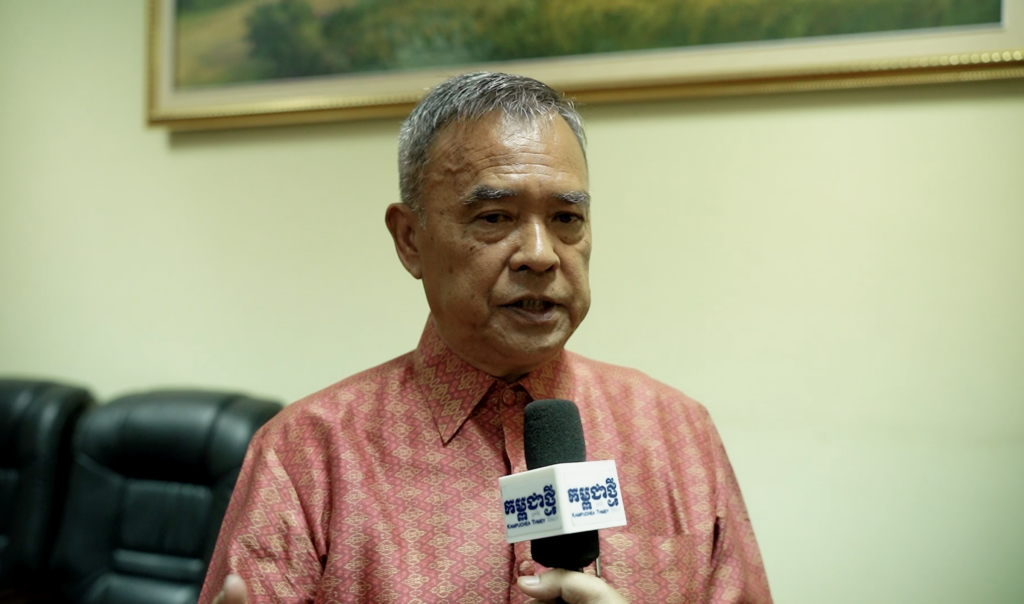
“I do not think that we should link the compulsory conciliation to the land border,” he said. “They should have the joint border meeting and continue to discuss outstanding issues in parallel.”
Cambodia initiated the UNCLOS mechanism after Thailand cancelled the 2001 Memorandum of Understanding, which had provided the framework for maritime negotiations. While Thailand has expressed a preference for bilateral talks, Sothirak argued that cancelling the MoU left Cambodia with few alternatives but to seek conciliation. Both governments have appointed conciliators, with a fifth member expected to complete the commission.
He stressed that success would depend less on legal procedures than on political goodwill, mutual understanding and compromise. “Both sides should listen carefully to each other’s concerns and use the compulsory conciliation process to reconcile their differences,” he said.
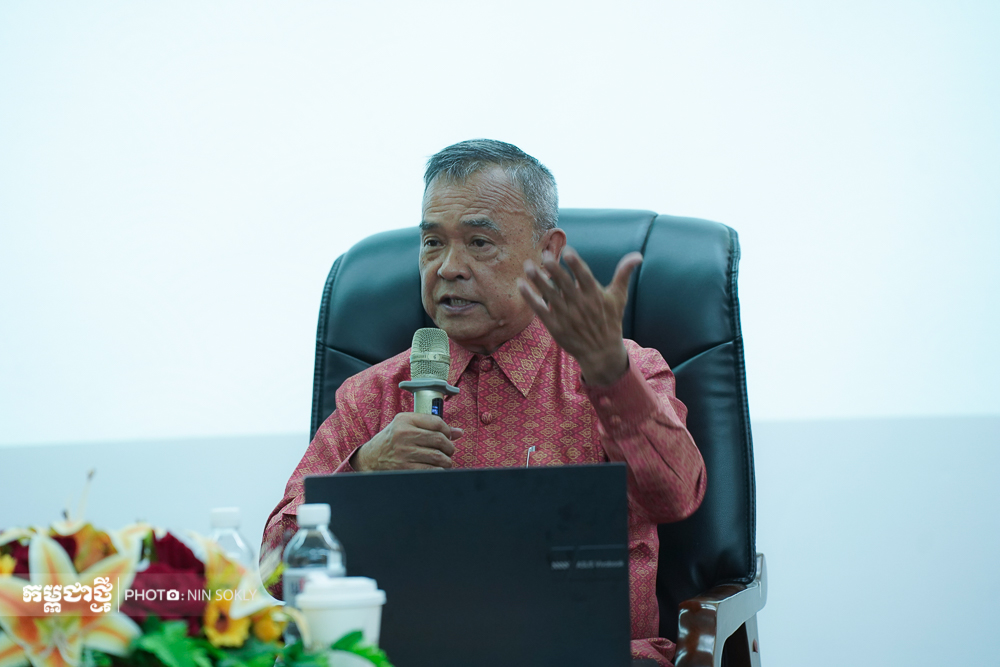
Sothirak warned that delaying meetings of the Joint Border Commission could create unnecessary tension and prolong uncertainty for border communities. Continued dialogue between civilian authorities, border officials and military representatives would help foster a constructive atmosphere while maritime conciliation proceeds.
He noted that UNCLOS conciliation is not legally binding and cannot itself delimit maritime boundaries. If delimitation remains unresolved, the parties may still need to pursue other legal avenues, including the International Court of Justice.
Sothirak reiterated Cambodia’s longstanding position that the international boundary with Thailand is based on the 1904 and 1907 Franco‑Siam treaties and maps produced under those agreements, adding that differing interpretations of those maps remain a core issue complicating negotiations.







-
 National2 months ago
Cambodia Expands Free ID Services While Introducing Clear Fee Structure for Administrative Documents
-
 National3 weeks ago
Cambodia proposes trilateral anti‑crime liaison mechanism with Laos, Vietnam
-
 National3 weeks ago
PM Hun Manet to visit China as trade surges and investment deepens
-
 National2 weeks ago
Cambodia says four soldiers injured in border blast, investigation launched
-
 National1 month ago
Samdech Techo Hun Sen Says Cambodia Can Meet Defence Needs Through Domestic Production
-

 National3 weeks ago
Cambodia opens new distribution hub to expand market access for local businesses
-
 Opinion2 months ago
From Connectivity to Resilience: How Japan’s Strategic Shift Could Transform Cambodia’s Next Development Phase
-
 Economy2 months ago
Cambodia Welcomes 1 Million Tourists in Q1, But Arrivals Fall Sharply Amid Regional Pressures