Economy
Cambodia Inaugurates Two Major Water Facilities to Boost Supply in Phnom Penh, Takhmau
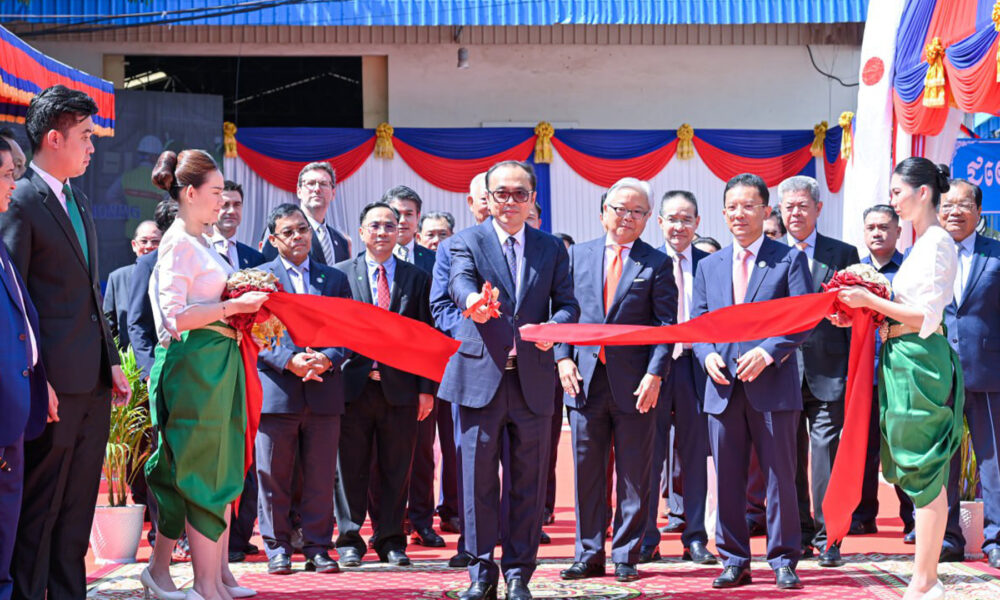
PHNOM PENH, Cambodia (Aug. 14, 2025) — Cambodia on Wednesday inaugurated the Takhmau Water Treatment Plant and Koh Noreah Replacement Intake Station, expanding clean-water access for southern Phnom Penh and Takhmau city.
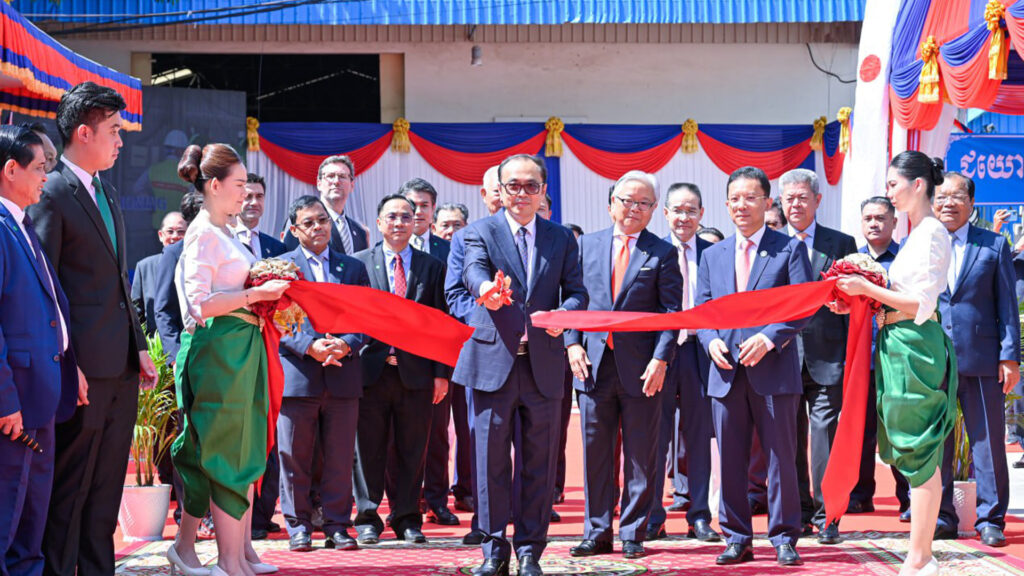
Presiding over the launch, Permanent Deputy Prime Minister and Minister in Charge of the Office of the Council of Ministers Vongsey Vissoth said the facilities mark a major step toward the government’s “Clean Water for All” initiative and Sustainable Development Goals 2030.
Built with Japanese grant aid under a Special Purpose Company model, the Takhmau plant adds 30,000 cubic meters per day to the Phnom Penh Water Supply Authority’s (PPWSA) capacity, which now exceeds 1 million cubic meters daily. The Koh Noreah intake station, a $28 million PPWSA-OCIC project, restores supply to the Nirouth Water Treatment Plant and supports future expansion, including the Techo International Airport zone.
Japan’s Ambassador to Cambodia Ueno Atsushi said the project reflects decades of bilateral cooperation, citing Japan’s role in the “Miracle of Phnom Penh” water turnaround since the 1990s.
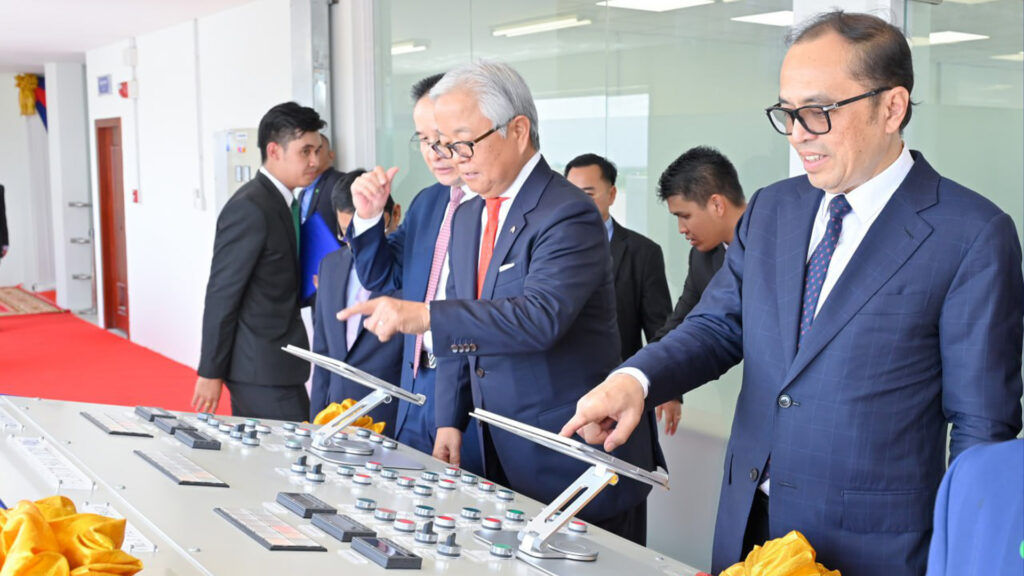
Hem Vanndy, Minister of Industry, Science, Technology and Innovation, noted that national water supply rose 72 percent from 2018 to 2024, with the Phnom Penh Water Supply Authority (PPWSA) accounting for nearly 60 percent of that growth. Household access under MISTI’s jurisdiction tripled to nearly 3 million homes.
“Water supply nationwide rose 72 percent, climbing from about 309 million cubic meters in 2018 to roughly 530 million cubic meters in 2024, and PPWSA accounted for about 59 percent of that increase,” Minister Hem Vanndy said. “Access to clean water networks under MISTI’s jurisdiction rose markedly, from 781,908 households in 2018 to 2,982,831 households in 2024.”
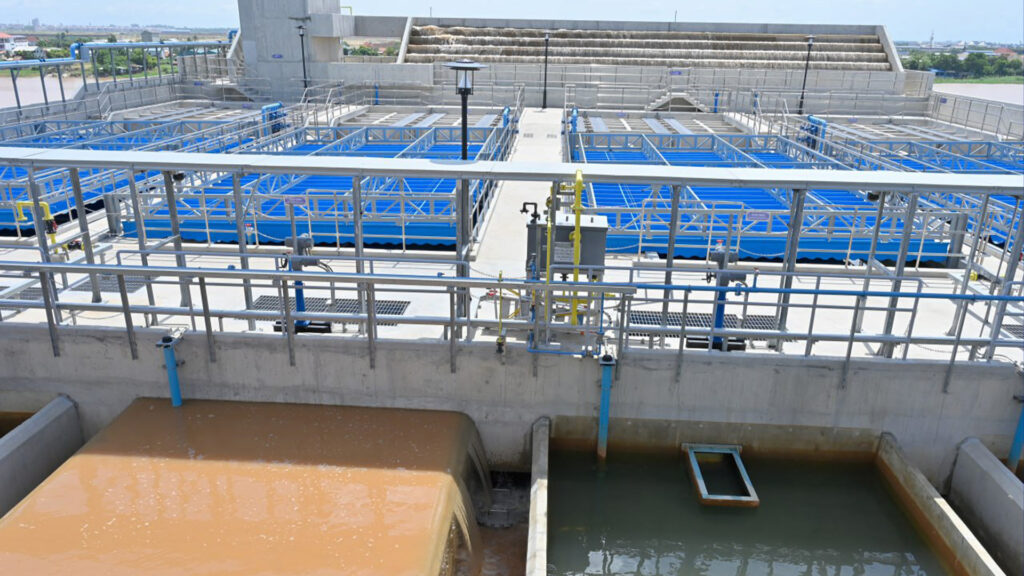
PPWSA has continued to strengthen production capacity, surpassing 1 million cubic meters per day since late 2024, and has expanded its distribution network to more than 5,000 kilometers. The Takhmau plant alone will meet the needs of about 23,000 connections, including households, businesses, and industrial zones.

-
 National1 month ago
Cambodia Expands Free ID Services While Introducing Clear Fee Structure for Administrative Documents
-

 National3 weeks ago
Cambodia proposes trilateral anti‑crime liaison mechanism with Laos, Vietnam
-

 National2 weeks ago
PM Hun Manet to visit China as trade surges and investment deepens
-

 National2 weeks ago
Cambodia says four soldiers injured in border blast, investigation launched
-

 National1 month ago
Samdech Techo Hun Sen Says Cambodia Can Meet Defence Needs Through Domestic Production
-

 National2 weeks ago
Cambodia opens new distribution hub to expand market access for local businesses
-
 Opinion2 months ago
From Connectivity to Resilience: How Japan’s Strategic Shift Could Transform Cambodia’s Next Development Phase
-
 Economy2 months ago
Cambodia Welcomes 1 Million Tourists in Q1, But Arrivals Fall Sharply Amid Regional Pressures