National
Border Tensions Rise as Thai Political Turmoil Spills Over; Experts Urge Diplomacy
Phnom Penh, July 9, 2026 (KPT) — Rising political uncertainty in Thailand is casting a shadow over the fragile ceasefire with Cambodia, with experts in Phnom Penh warning that domestic pressures in Bangkok could heighten tensions along the frontier. Yet they stress that a new armed conflict is not inevitable.
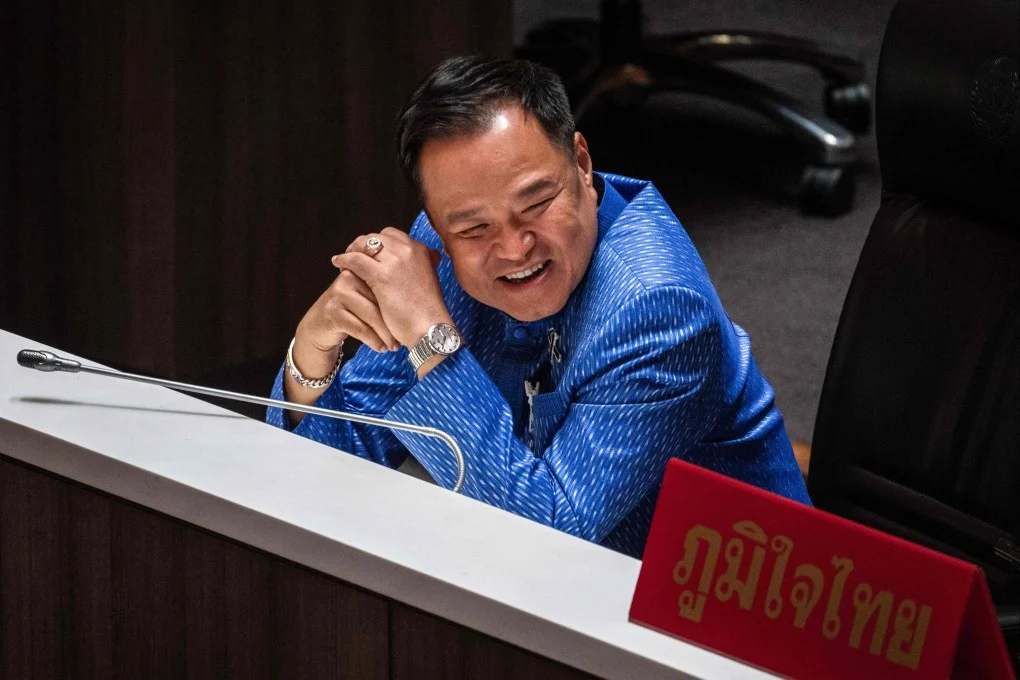
Thailand’s Prime Minister Anutin Charnvirakul faces mounting challenges, including protests by shrimp farmers, legal disputes and a fragile coalition. Critics argue his administration should focus on domestic economic and governance issues rather than disputes with Cambodia.
Cambodian experts say such instability has historically coincided with renewed attention on border disputes, often used to stoke nationalist sentiment and divert attention from internal problems.
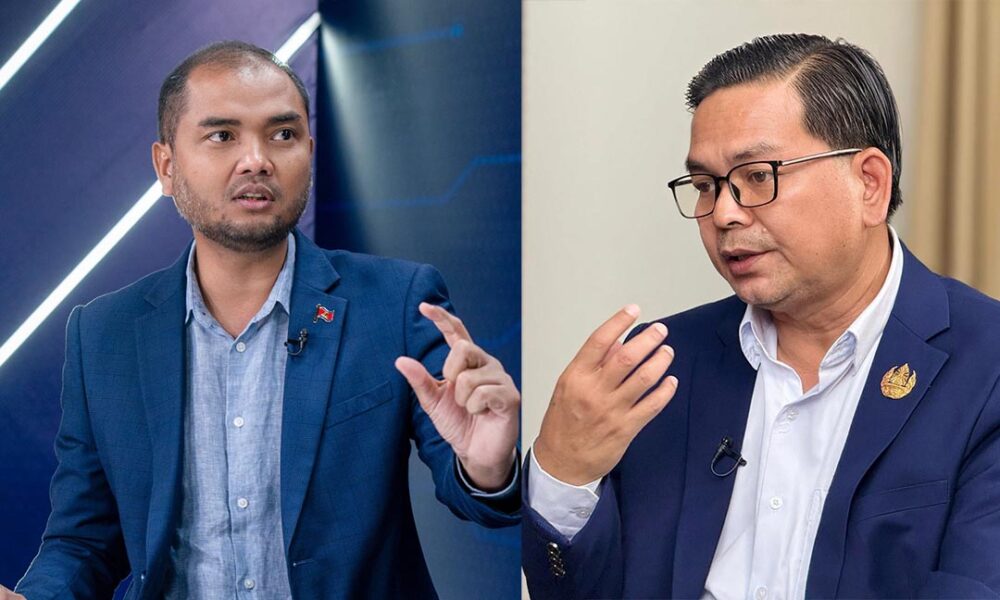
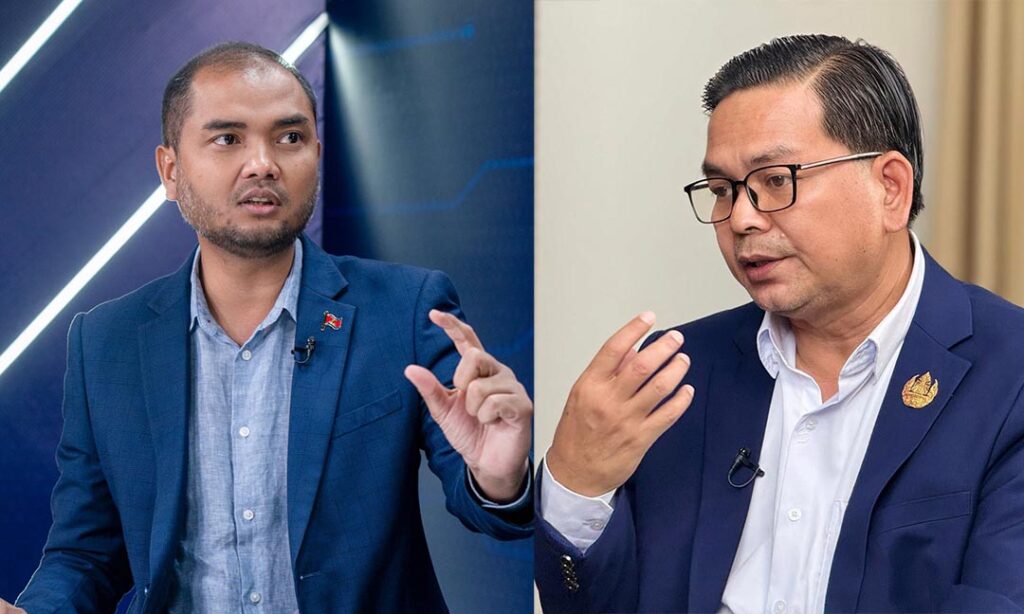
Political analyst Kin Phea said the risk of escalation exists but depends on multiple factors, including the role of the Thai military and what he described as Thailand’s territorial ambitions.
He urged Cambodia to prepare for all scenarios by maintaining military readiness, protecting sovereignty and supporting civilians if tensions worsen.
At the same time, he called for continued use of diplomatic channels — bilateral mechanisms, ASEAN frameworks, the United Nations and international law — to reduce misunderstandings.
Geopolitical analyst Gnel Rattha echoed that assessment, saying tensions were real but the likelihood of a third armed conflict remained low.
He noted that recent Thai military activities, including the installation of barriers along the border, had raised concerns, but argued the economic and political costs of war were prohibitive.
Rattha recommended Cambodia strengthen diplomatic engagement, monitor sensitive areas, prepare emergency plans and maintain transparent communication. “The border tension is a symptom of Thailand’s internal crisis, not an inevitable prelude to war,” he said.
The warnings follow Cambodia’s protest over Thailand’s placement of wire barriers on July 2 in Preah Vihear and Oddar Meanchey provinces.
Cambodia said the actions violated the 2000 memorandum of understanding on border demarcation and the December 2025 General Border Committee statement, which called for de‑escalation and technical talks.
Government spokesman Pen Bona reiterated Thursday that Cambodia remains committed to diplomacy and international law.
He said the Joint Boundary Commission has sent nine diplomatic notes to Thailand since the December ceasefire, proposing a special meeting and the deployment of Joint Survey Teams to resume survey and demarcation work.
The Interior Ministry reported more than 640,000 civilians were displaced during clashes last year, with 20,923 still unable to return home. Officials say affected areas remain inaccessible due to continued occupation and property damage by Thai forces, though Bangkok disputes this characterisation.
For Cambodia, the strategy is clear: highlight humanitarian costs, reinforce its legal position and rally international support, while avoiding escalation. The government insists borders must be determined by treaties and agreements, not force.
Whether Thailand’s domestic turmoil translates into renewed confrontation remains uncertain, but Phnom Penh is determined to keep the dispute within diplomatic and legal frameworks.




-
 Opinion1 month ago
From Connectivity to Resilience: How Japan’s Strategic Shift Could Transform Cambodia’s Next Development Phase
-

 National4 weeks ago
Samdech Techo Hun Sen Says Cambodia Can Meet Defence Needs Through Domestic Production
-
 Opinion2 months ago
Op-Ed: A Decade of Dialogue, Yet Many Challenges Remain
-
 Economy2 months ago
Cambodia Welcomes 1 Million Tourists in Q1, But Arrivals Fall Sharply Amid Regional Pressures
-
 Economy2 months ago
Cambodia Air Cargo Surges 36% Despite Dip in Passenger Traffic
-

 Education2 months ago
Cambodia Launches Nationwide Live Teaching Program to Narrow Education Gap
-
 Economy2 months ago
Cambodia’s Special Economic Zones Post Strong Export Growth in Early 2026
-

 Economy2 months ago
Cambodia Stock Exchange Seen as Key to Financing Growth