Economy
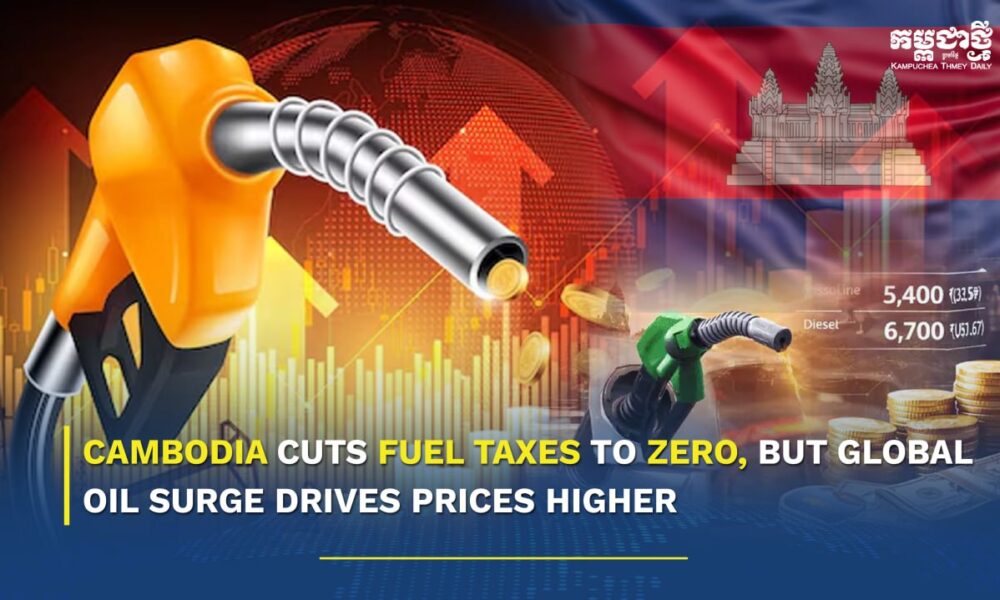
Cambodia Cuts Fuel Taxes to Zero, But Global Oil Surge Drives Prices Higher
PHNOM PENH, April 1, 2026 (KPT) — Cambodia has slashed fuel taxes to zero in a bid to ease cost of living pressures, but surging global oil prices continue to push domestic costs higher, underscoring the country’s vulnerability to external shocks.
A joint statement from the ministries of Economy and Finance, Commerce, and Mines and Energy confirmed retail fuel prices rose again from April 1. Gasoline 92 climbed 450 riel to 5,450 riel ($1.36) per liter, while diesel increased 300 riel to 7,500 riel ($1.88).
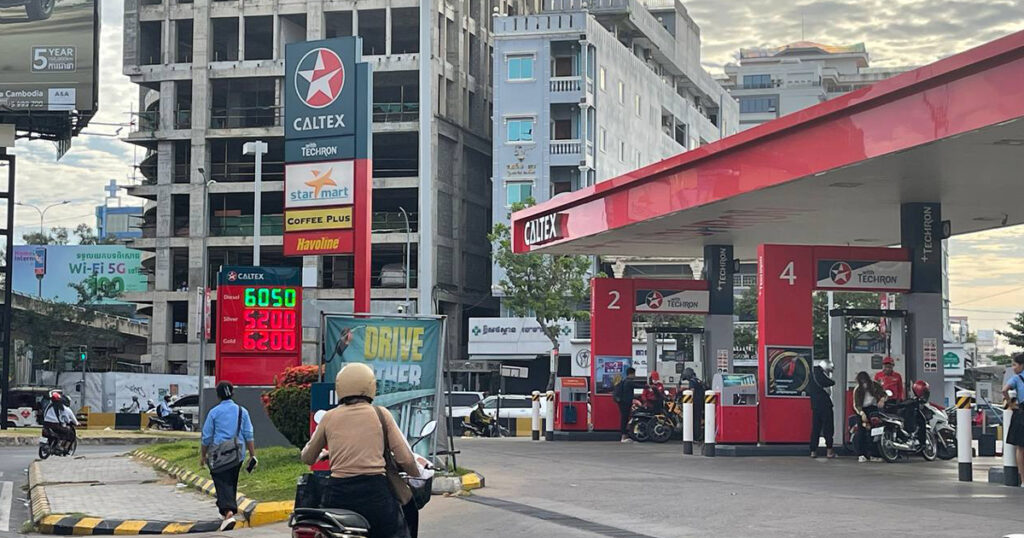
The hikes come despite aggressive government intervention, including scrapping fuel related taxes, lowering special duties, cutting VAT, and maintaining subsidies of up to 7.5 US cents per liter. Officials said the adjustments reflect sharp movements in global energy markets, with gasoline above $90 a barrel and diesel topping $100, driven by geopolitical tensions in the Middle East.
“The retail price is determined based on fluctuations in regional and international markets,” the ministries said, noting Cambodia, as a fuel importing country, remains highly exposed to global volatility.
To cushion households, the government introduced a temporary $2.50 monthly transport allowance for garment and textile workers, endorsed by the National Minimum Wage Council. Labor representatives welcomed the measure, citing cooperation between government, employers and unions in addressing rising living costs.
Economists warn, however, that domestic policy tools have limits against sustained global shocks. Ky Sereyvath of the Royal Academy of Cambodia cautioned prolonged instability could weigh on growth, stressing the need to protect livelihoods and maintain stability. “Citizens must continue working and sustaining their livelihoods to support both household resilience and national stability,” he said.
Analysts say continued turbulence in oil markets could keep fuel prices elevated in the months ahead, posing ongoing challenges for businesses and consumers alike.







-
 National1 month ago
Cambodia Expands Free ID Services While Introducing Clear Fee Structure for Administrative Documents
-
 National3 weeks ago
Cambodia proposes trilateral anti‑crime liaison mechanism with Laos, Vietnam
-
 National2 weeks ago
PM Hun Manet to visit China as trade surges and investment deepens
-

 National2 weeks ago
Cambodia says four soldiers injured in border blast, investigation launched
-

 National1 month ago
Samdech Techo Hun Sen Says Cambodia Can Meet Defence Needs Through Domestic Production
-

 National2 weeks ago
Cambodia opens new distribution hub to expand market access for local businesses
-
 Opinion2 months ago
From Connectivity to Resilience: How Japan’s Strategic Shift Could Transform Cambodia’s Next Development Phase
-
 Economy2 months ago
Cambodia Welcomes 1 Million Tourists in Q1, But Arrivals Fall Sharply Amid Regional Pressures