Economy
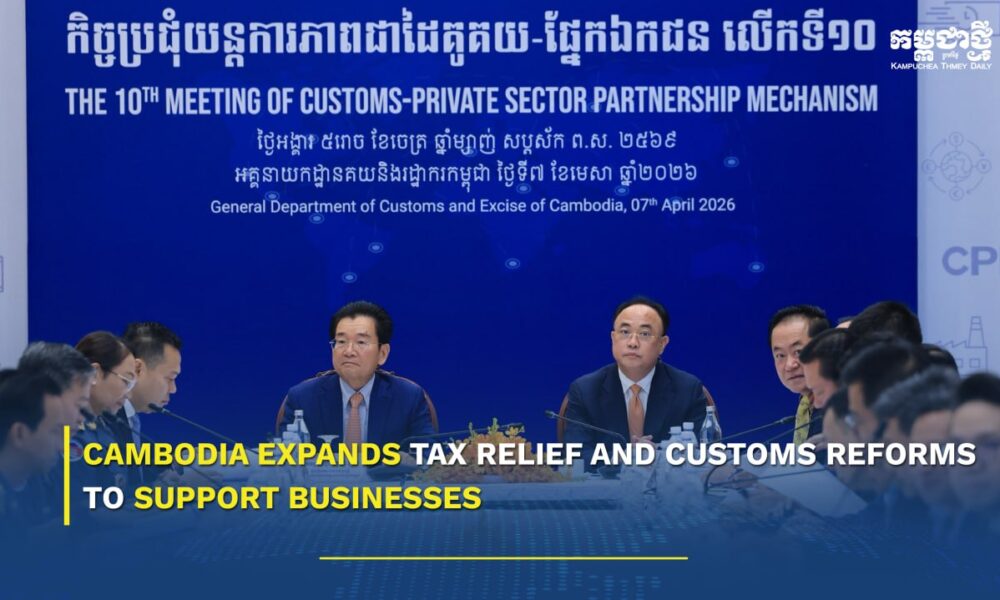
Cambodia Expands Tax Relief and Customs Reforms to Support Businesses
PHNOM PENH, April 9, 2026 (KPT) – Cambodia is intensifying efforts to support businesses and ease cost pressures through expanded tax relief and customs reforms, officials said Wednesday, as global fuel prices continue to rise.
The initiatives were outlined at the 10th meeting of the Customs–Private Sector Partnership Mechanism (CPPM), co-chaired by Customs Director General Kun Nhem and business leader Kith Meng.
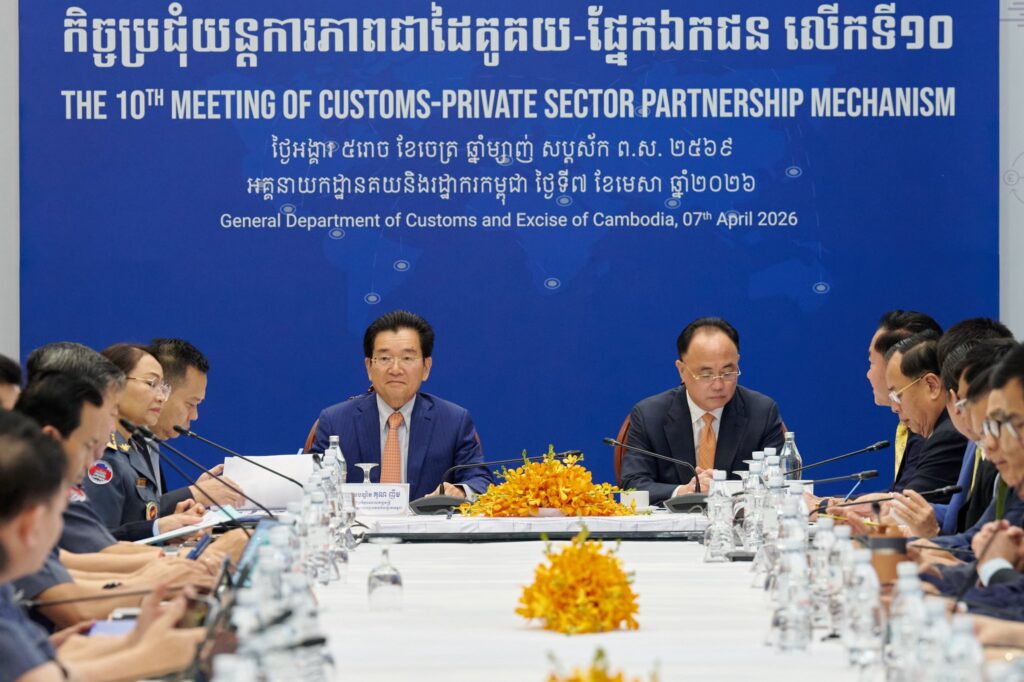
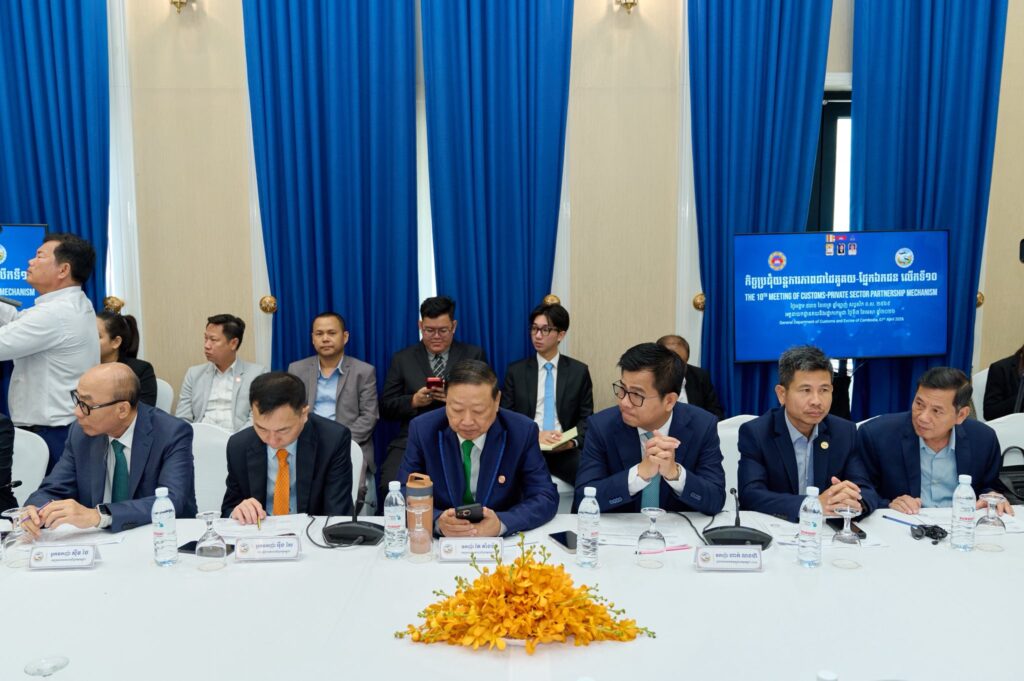
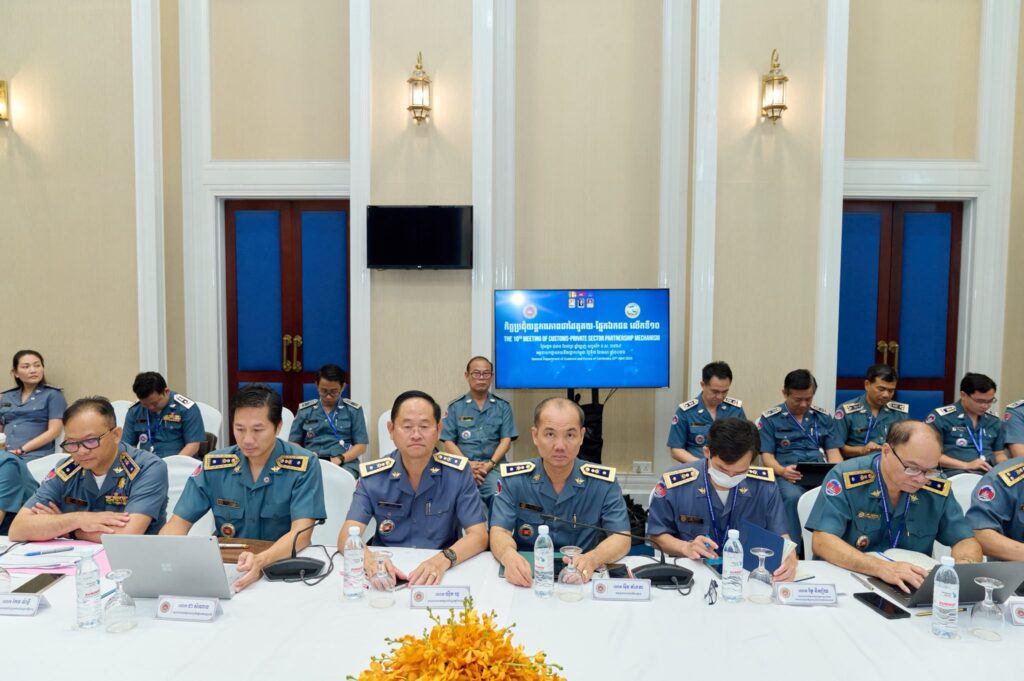
The session brought together representatives from the Ministry of Economy and Finance, private sector associations, import-export firms and customs officials.
Authorities announced adjustments to tax and tariff rates effective April 1, including reductions on electric vehicles, batteries, solar equipment and electric stoves—products increasingly important for households and businesses seeking cost-efficient energy alternatives.
The government also introduced tax relief on imported fuel and gas to stabilize domestic prices, measures expected to reduce monthly customs revenue by about USD 47 million.
Beyond tax relief, officials said broader reforms are underway to automate customs procedures, cut clearance and scanning fees, and streamline processes for highly compliant businesses. A draft package of stricter measures to combat tax evasion and fraud was also reviewed, with authorities stressing the need to balance enforcement with trade facilitation.
Private sector representatives raised concerns over customs fees, tariff classifications, fuel tax policies and procedures for importing production inputs under Qualified Investment Projects (QIPs). Many of these issues were addressed through clarifications and proposed solutions.
Officials emphasized that the CPPM remains a vital platform for resolving business concerns, improving transparency and strengthening Cambodia’s trade environment. The private sector welcomed the government’s responsiveness, noting reforms are essential to maintaining competitiveness and ensuring business continuity amid global economic challenges.







-
 National1 month ago
Cambodia Expands Free ID Services While Introducing Clear Fee Structure for Administrative Documents
-
 National3 weeks ago
Cambodia proposes trilateral anti‑crime liaison mechanism with Laos, Vietnam
-
 National2 weeks ago
PM Hun Manet to visit China as trade surges and investment deepens
-

 National2 weeks ago
Cambodia says four soldiers injured in border blast, investigation launched
-
 National1 month ago
Samdech Techo Hun Sen Says Cambodia Can Meet Defence Needs Through Domestic Production
-
 National2 weeks ago
Cambodia opens new distribution hub to expand market access for local businesses
-
 Opinion2 months ago
From Connectivity to Resilience: How Japan’s Strategic Shift Could Transform Cambodia’s Next Development Phase
-
 Economy2 months ago
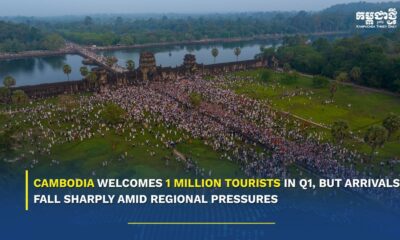
Cambodia Welcomes 1 Million Tourists in Q1, But Arrivals Fall Sharply Amid Regional Pressures