Economy
Pre Rup Temple Showcases Angkor‑Era Brick Heritage, Conservation Efforts Ongoing
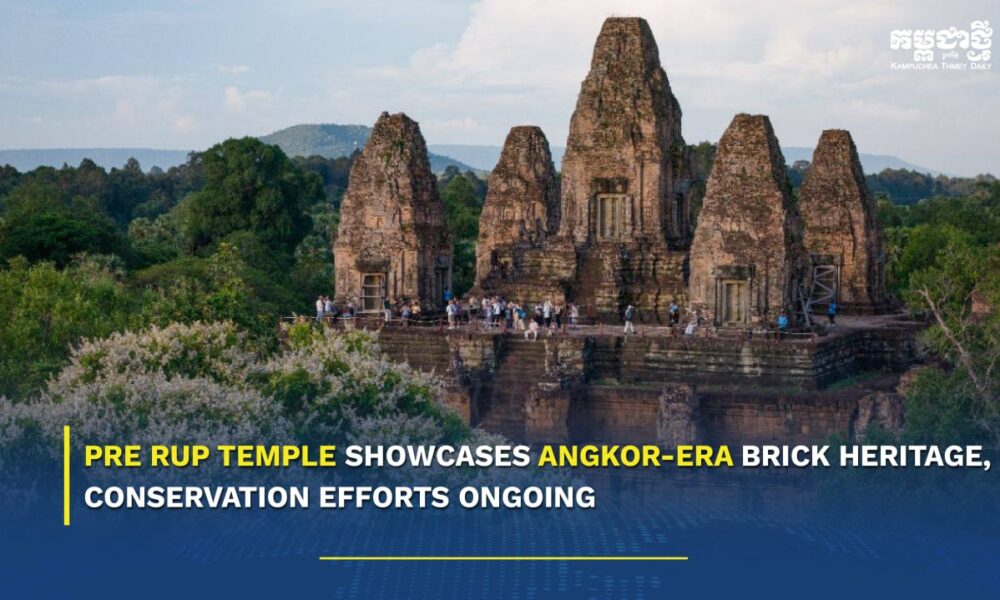
SIEM REAP, June 1, 2026 (KPT) — Pre Rup stands as one of the most remarkable examples of Angkor‑era brick architecture and engineering, while continuing to serve as a major cultural tourism site, the APSARA National Authority said Monday.
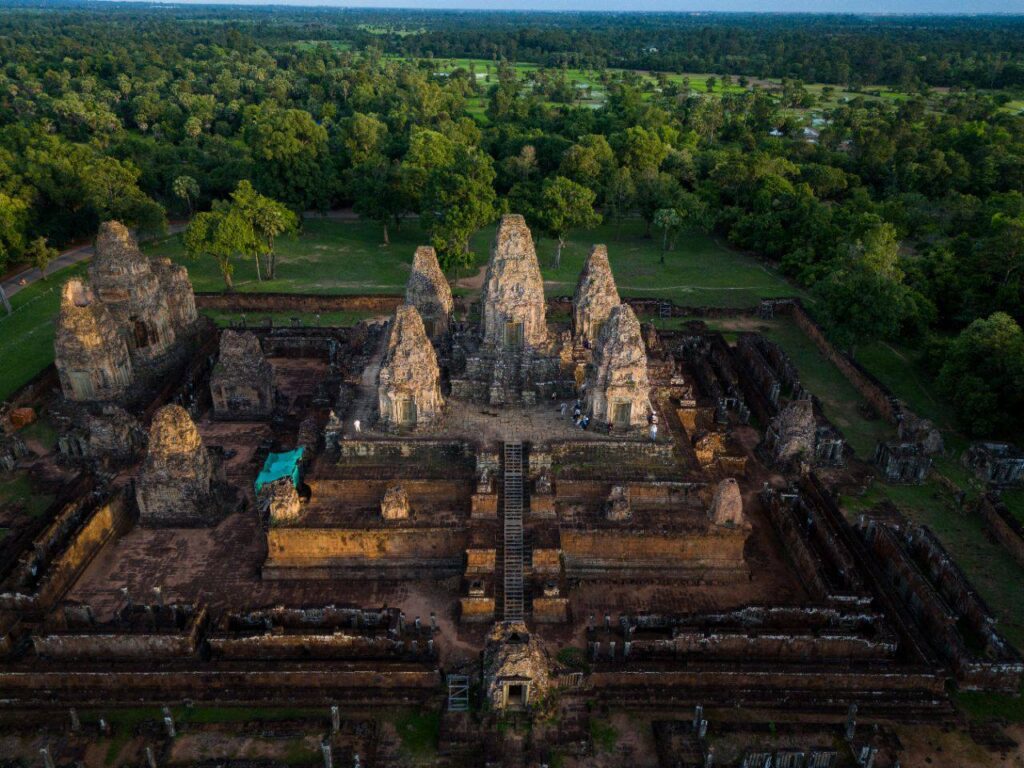
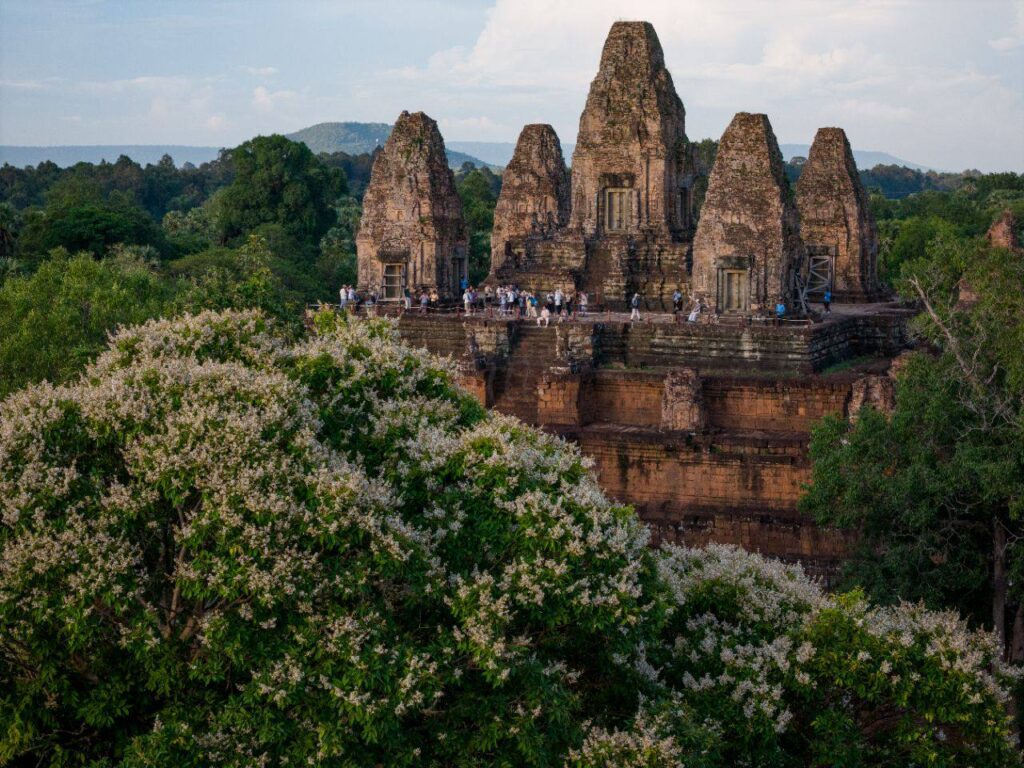
Located on elevated ground along Siem Reap’s Grand Circuit, the temple was built in 961 CE under King Rajendravarman II, reflecting the Khmer concept of Mount Sumeru and marking a turning point in architectural history known as the “Pre Rup Style.” Its hilltop setting offers panoramic sunrise and sunset views over rice fields and forests, making it a popular destination for visitors.
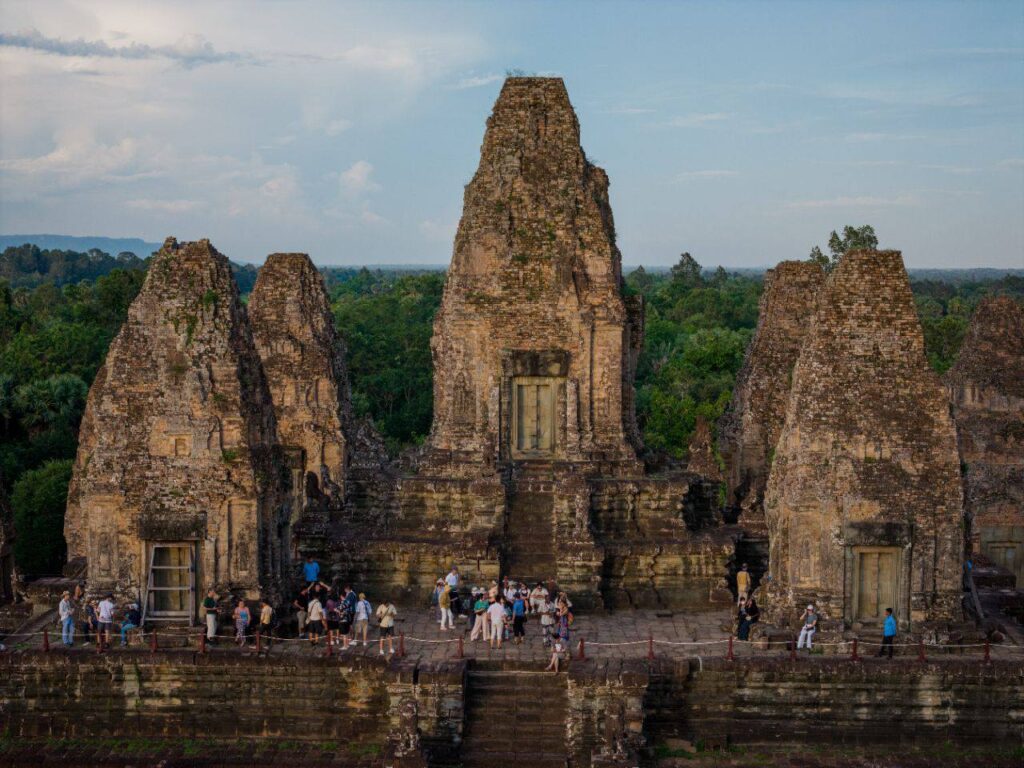
The monument demonstrates sophisticated Khmer engineering through the combined use of brick, laterite and sandstone — bricks for sanctuaries and carvings, laterite for foundations, and sandstone for floors, columns and door frames. Inscription K.806, the longest poetic Sanskrit text in Khmer history, records the temple’s dedication to Shiva under the name “Rajendrabhadreshvara.”
Conservation efforts led by APSARA and ICC‑Angkor focus on hydrological management, including drainage and rainwater control systems to protect fragile brick foundations. Experts are also researching advanced methods to preserve ancient bricks and mortar while maintaining the monument’s original character and carvings.
Authorities said the work is vital to ensure Pre Rup’s long‑term sustainability as both a heritage treasure and a living cultural landmark.

-
 National1 month ago
Cambodia Expands Free ID Services While Introducing Clear Fee Structure for Administrative Documents
-
 National3 weeks ago
Cambodia proposes trilateral anti‑crime liaison mechanism with Laos, Vietnam
-

 National2 weeks ago
PM Hun Manet to visit China as trade surges and investment deepens
-

 National2 weeks ago
Cambodia says four soldiers injured in border blast, investigation launched
-

 National1 month ago
Samdech Techo Hun Sen Says Cambodia Can Meet Defence Needs Through Domestic Production
-

 National2 weeks ago
Cambodia opens new distribution hub to expand market access for local businesses
-
 Opinion2 months ago
From Connectivity to Resilience: How Japan’s Strategic Shift Could Transform Cambodia’s Next Development Phase
-
 Economy2 months ago
Cambodia Welcomes 1 Million Tourists in Q1, But Arrivals Fall Sharply Amid Regional Pressures