Economy
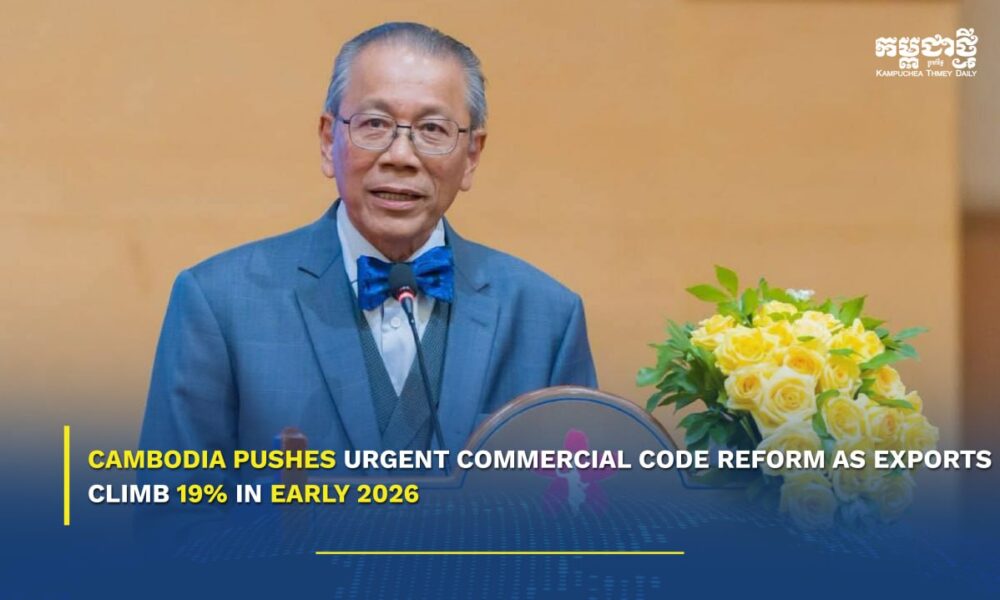
Cambodia pushes urgent Commercial Code reform as exports climb 19% in early 2026
PHNOM PENH, June 24, 2026 (KPT) — Cambodia is accelerating drafting of its first Commercial Code to unify fragmented laws and strengthen investor confidence, officials said Wednesday, as exports surged 19 percent to US$14.04 billion in the first five months of the year.
Deputy Prime Minister Vongsey Vissoth, who chairs the Legal Reform Steering Committee, told a national seminar in Phnom Penh that the new code will consolidate commercial legislation into a single framework promoting efficiency, transparency and equal treatment for businesses.
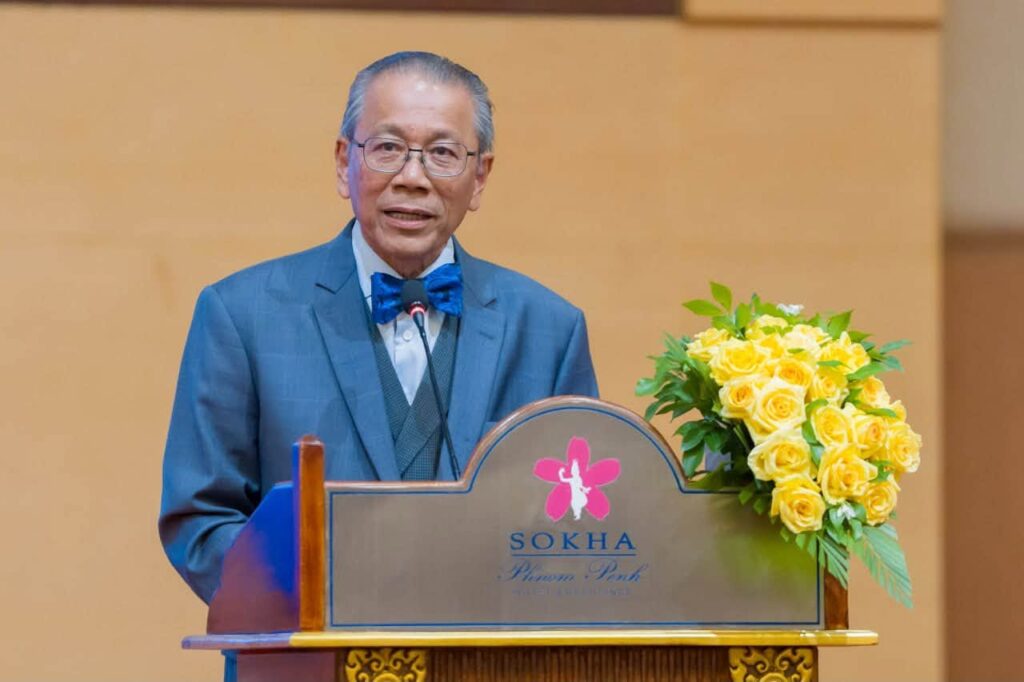
“This is a strategic legal reform that will strengthen Cambodia’s market economy and improve investor confidence,” he said. The event drew about 400 participants from government, the judiciary, private sector, diplomatic missions and international organizations.
Despite three decades of progress in legal reform, Vissoth acknowledged persistent challenges: inconsistencies between laws and regulations, gaps between policy and implementation, overlapping institutional mandates and complex administrative procedures. Businesses continue to face overlapping requirements, complicated registration and licensing processes, unclear digital regulations and concerns over commercial dispute resolution.
He stressed that addressing these issues is critical for competitiveness in a global trading landscape increasingly shaped by digitalization, green commerce and complex international trade rules. “The Commercial Code will become an important pillar in strengthening Cambodia’s legal system while supporting a more efficient and competitive business environment,” he said.
Senior Minister in Charge of Special Missions Dr. Sok Siphana said the initiative represents a historic modernization of Cambodia’s commercial legislation to reflect the realities of today’s enterprise‑driven and technology‑based economy. He noted that modern commerce is increasingly organized around enterprises, networks, platforms, finance, services and data, requiring a legal framework that can accommodate emerging business models.
Siphana explained that Cambodia’s future Commercial Code should move beyond the traditional “acts of commerce” approach inherited from the French colonial period and instead adopt a more flexible enterprise‑based framework capable of regulating digital businesses, online platforms, logistics providers, fintech services and other modern commercial activities.
He added that the reform should also recognize electronic records, evolving business practices and commercial customs while ensuring protections for consumers, farmers, workers and micro‑enterprises.
The initiative forms part of the Royal Government’s broader governance reform agenda under its seventh mandate, which established the Legal Reform Steering Committee in 2024 and adopted a Strategic Framework for Legal Reform in 2025 to modernize Cambodia’s regulatory system and strengthen the country’s investment climate.


-
 National1 month ago
Cambodia Expands Free ID Services While Introducing Clear Fee Structure for Administrative Documents
-

 National3 weeks ago
Cambodia proposes trilateral anti‑crime liaison mechanism with Laos, Vietnam
-

 National2 weeks ago
PM Hun Manet to visit China as trade surges and investment deepens
-

 National2 weeks ago
Cambodia says four soldiers injured in border blast, investigation launched
-

 National1 month ago
Samdech Techo Hun Sen Says Cambodia Can Meet Defence Needs Through Domestic Production
-

 National2 weeks ago
Cambodia opens new distribution hub to expand market access for local businesses
-
 Opinion2 months ago
From Connectivity to Resilience: How Japan’s Strategic Shift Could Transform Cambodia’s Next Development Phase
-

 Economy2 months ago
Cambodia Welcomes 1 Million Tourists in Q1, But Arrivals Fall Sharply Amid Regional Pressures