Economy
Banteay Samre Temple emerges as Angkor’s hidden architectural jewel
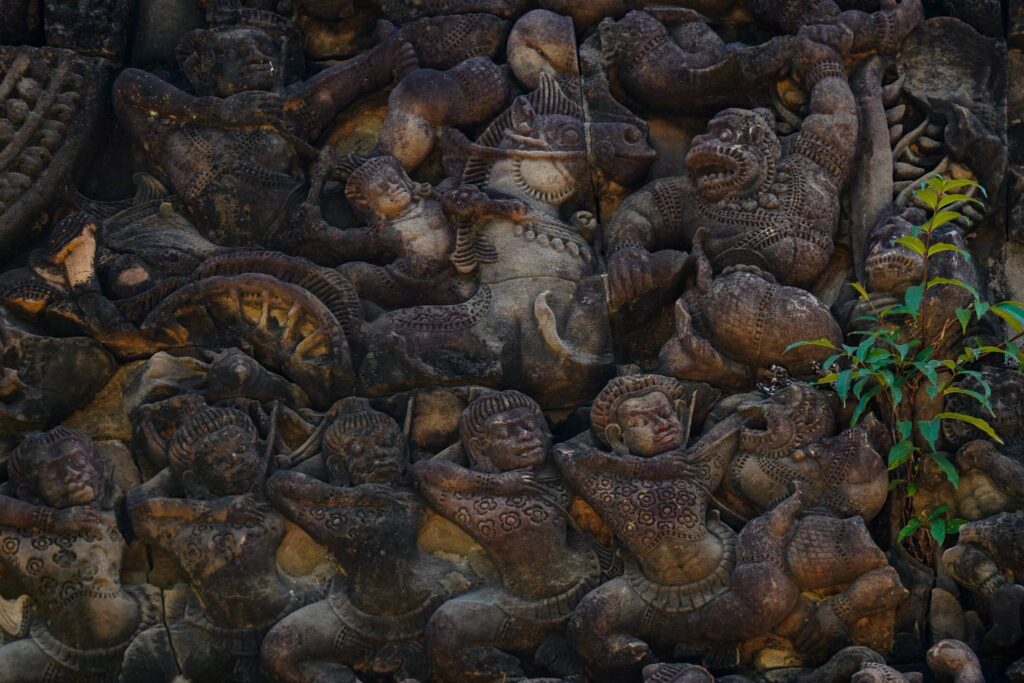
SIEM REAP, July 6, 2026 (KPT) — East of the ancient East Baray, Banteay Samre Temple is gaining recognition as one of Angkor’s most remarkable yet overlooked monuments, combining architectural brilliance with centuries of cultural heritage.
Built in the mid‑12th century under King Suryavarman II, the sandstone sanctuary is hailed by historians as a classical Khmer masterpiece. Its harmonious layout and finely carved bas‑reliefs echo the grandeur of Angkor Wat, underscoring the artistic peak of the Khmer Empire, the Apsara National Authority said.
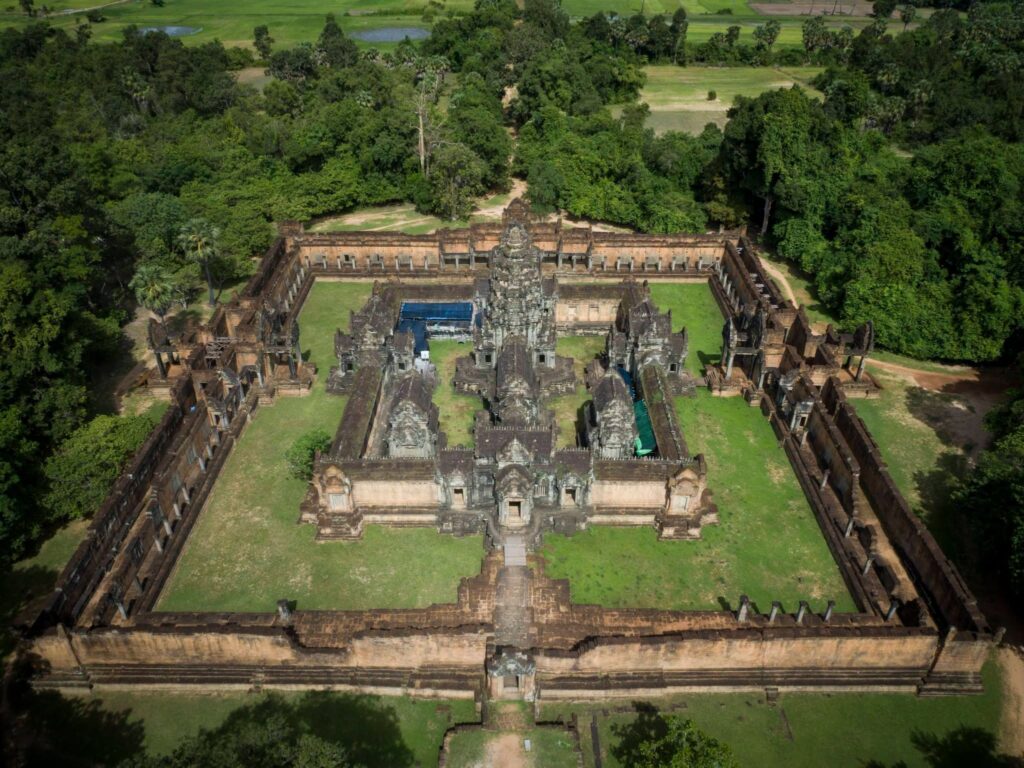
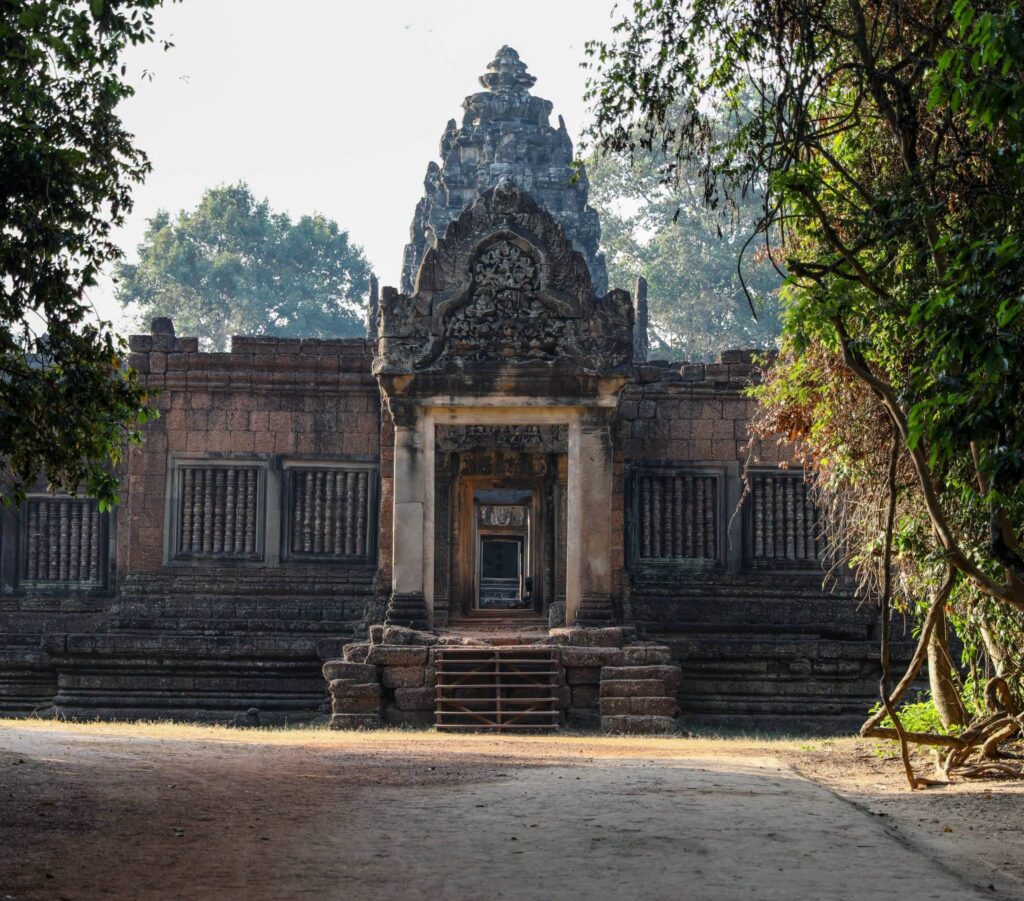
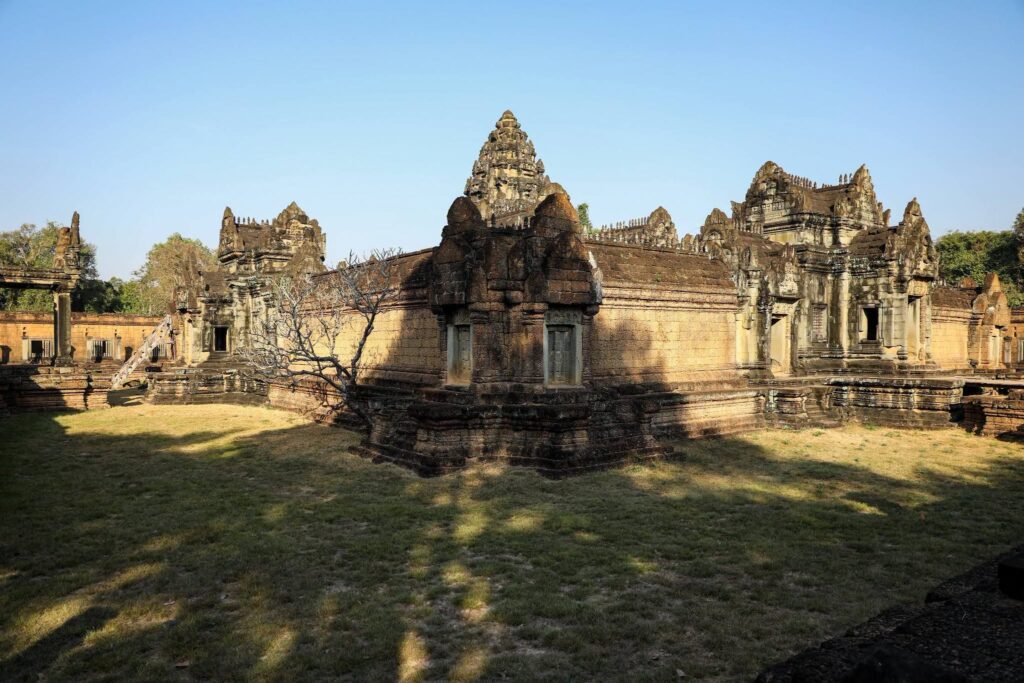
The temple’s name links to the Samre, an indigenous group believed to have lived near present‑day Preah Dak Village, adding cultural depth to its legacy. Visitors encounter a naga‑lined causeway stretching 200 metres, lion guardians, elevated libraries with mythological carvings, and galleries depicting Hindu and Buddhist imagery — a testament to Angkor’s religious coexistence.
At its core lies a sandstone container once mistaken for a coffin, now thought to be a funerary urn, highlighting the site’s spiritual role. Preserved roof beam holes also reveal ancient construction techniques, offering rare insight into Khmer engineering.
More than a monument, Banteay Samre embodies the enduring relationship between religion, architecture and society during the Angkor Empire. Its blend of artistry and symbolism continues to preserve the legacy of the Samre community.
As Cambodia promotes lesser‑known heritage sites under its cultural tourism drive, Banteay Samre stands out as a hidden jewel that enriches the country’s tourism portfolio and showcases the remarkable achievements of Khmer civilization.

-

 National1 month ago
Cambodia Expands Free ID Services While Introducing Clear Fee Structure for Administrative Documents
-
 National3 weeks ago
Cambodia proposes trilateral anti‑crime liaison mechanism with Laos, Vietnam
-

 National2 weeks ago
PM Hun Manet to visit China as trade surges and investment deepens
-

 National2 weeks ago
Cambodia says four soldiers injured in border blast, investigation launched
-

 National1 month ago
Samdech Techo Hun Sen Says Cambodia Can Meet Defence Needs Through Domestic Production
-

 National2 weeks ago
Cambodia opens new distribution hub to expand market access for local businesses
-
 Opinion2 months ago
From Connectivity to Resilience: How Japan’s Strategic Shift Could Transform Cambodia’s Next Development Phase
-
 Economy2 months ago
Cambodia Welcomes 1 Million Tourists in Q1, But Arrivals Fall Sharply Amid Regional Pressures