Economy
Phnom Penh Airport Relocation Nears Completion Ahead of Techo Airport Opening
By Leng Deth
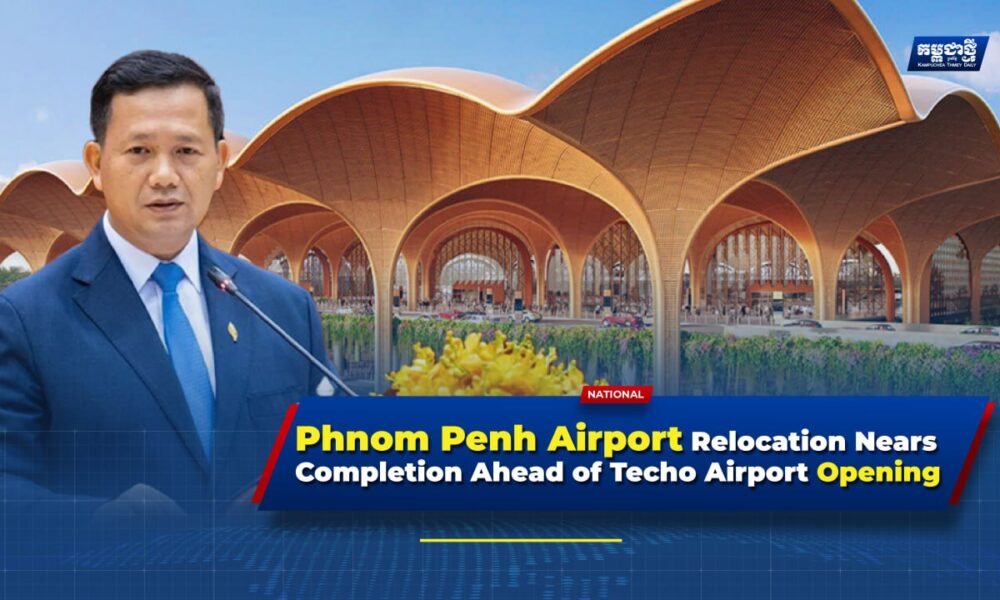
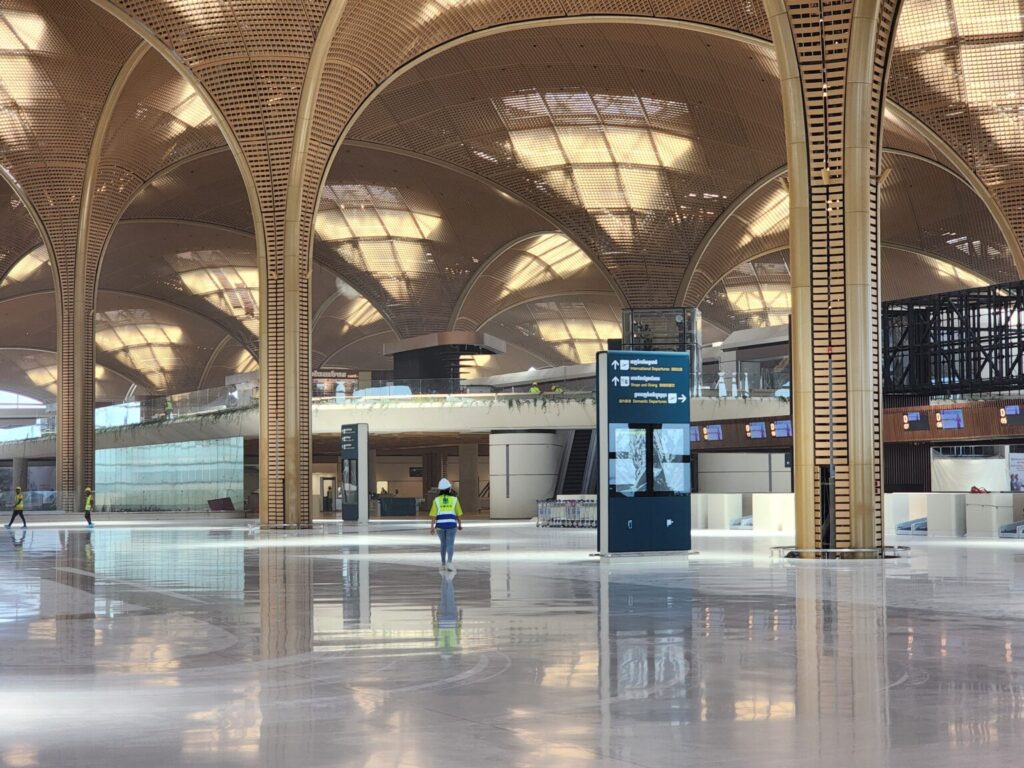
PHNOM PENH, Cambodia (Sept. 3, 2025) — Cambodia is preparing to officially transfer operations from Phnom Penh International Airport to the newly built Techo International Airport, which is set to open on Sept. 9, following a series of successful test flights.

Sinn Chanserey Vutha, spokesperson for the State Secretariat of Civil Aviation, said Tuesday that airline relocations are nearly complete. He noted that only essential equipment covered under relocation agreements will be transferred, as the new airport is outfitted with modern infrastructure and supplies. Staff training at Techo Airport is ongoing.
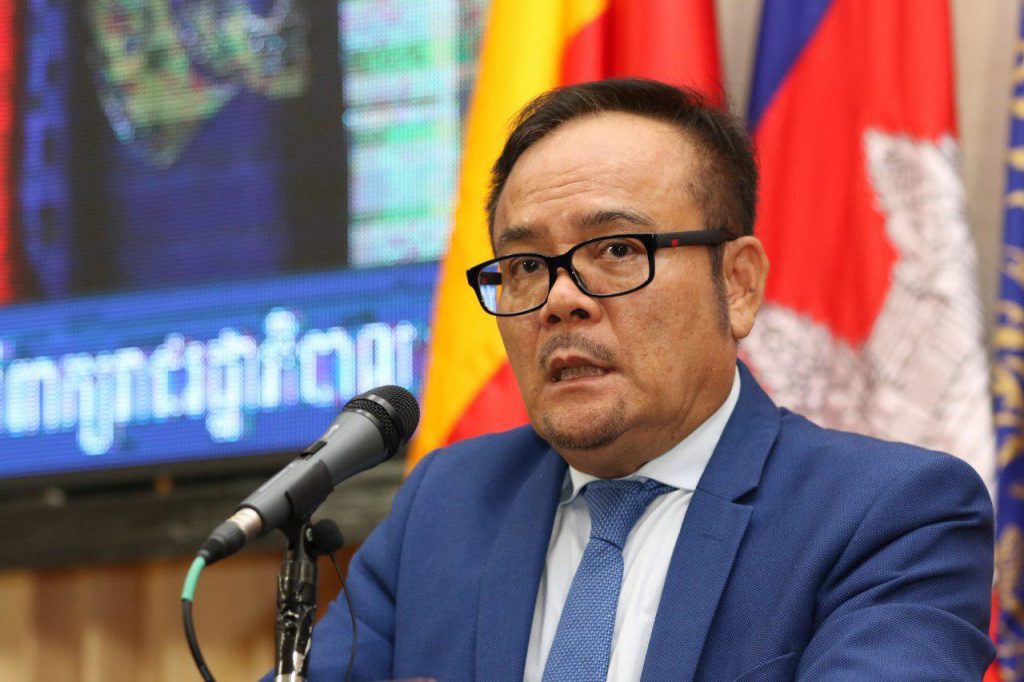
Once operations shift, the government will assign management responsibilities to the State Secretariat of Civil Aviation and deploy security personnel to safeguard public property and the surrounding area. The land at the current airport site will remain state-owned.
“This airport belongs to the state,” Sinn said. “Future use will depend on government policy, but it will not operate as an airport again.”
Prime Minister Hun Manet reaffirmed on Aug. 16 that the government has no intention of selling Phnom Penh International Airport to private entities. He said the site will be preserved for emergency landings and maintained under civil aviation oversight, though it lacks air traffic control capabilities.
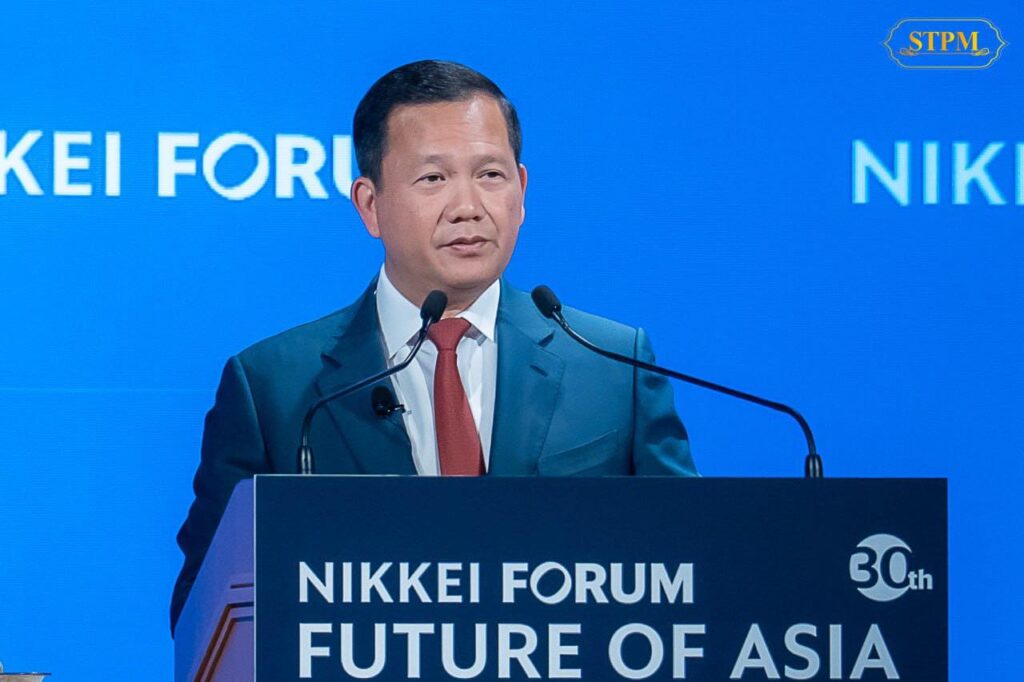
Hun Manet outlined three guiding principles: preserving the historical significance of the airport, allowing future public use of the site, and ensuring the property remains under state ownership. The airport, originally developed under the leadership of the late King Norodom Sihanouk, has served Cambodia’s transportation sector for decades.
According to the State Secretariat of Civil Aviation, Cambodia welcomed 3.64 million domestic and international passengers in the first half of 2025, a 20% increase over the same period last year. Passenger traffic is projected to reach 7.5 million by year-end, along with 90,000 tons of freight.


-
 National1 month ago
Cambodia Expands Free ID Services While Introducing Clear Fee Structure for Administrative Documents
-
 National3 weeks ago
Cambodia proposes trilateral anti‑crime liaison mechanism with Laos, Vietnam
-

 National2 weeks ago
PM Hun Manet to visit China as trade surges and investment deepens
-

 National2 weeks ago
Cambodia says four soldiers injured in border blast, investigation launched
-

 National1 month ago
Samdech Techo Hun Sen Says Cambodia Can Meet Defence Needs Through Domestic Production
-

 National2 weeks ago
Cambodia opens new distribution hub to expand market access for local businesses
-
 Opinion2 months ago
From Connectivity to Resilience: How Japan’s Strategic Shift Could Transform Cambodia’s Next Development Phase
-

 Economy2 months ago
Cambodia Welcomes 1 Million Tourists in Q1, But Arrivals Fall Sharply Amid Regional Pressures