Economy
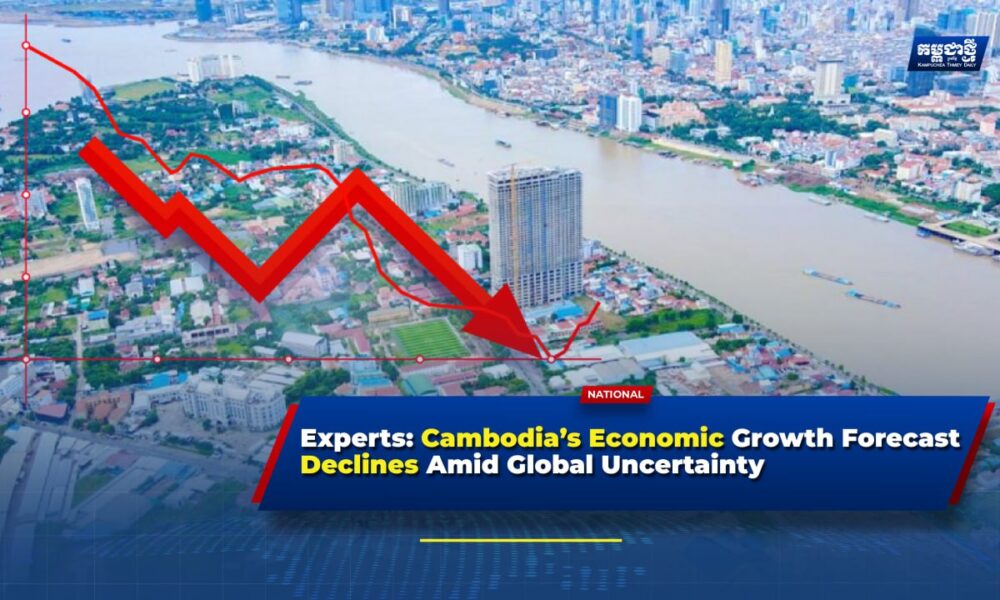
Experts: Cambodia’s Economic Growth Forecast Declines Amid Global Uncertainty
PHNOM PENH, Cambodia — Cambodia’s economic growth forecast for 2025 and 2026 has been revised downward due to global economic uncertainty, particularly in key trading partners such as the European Union, China, Japan and South Korea. The slowdown in those economies has affected their exports to the U.S. market, indirectly impacting Cambodia’s export-driven sectors.
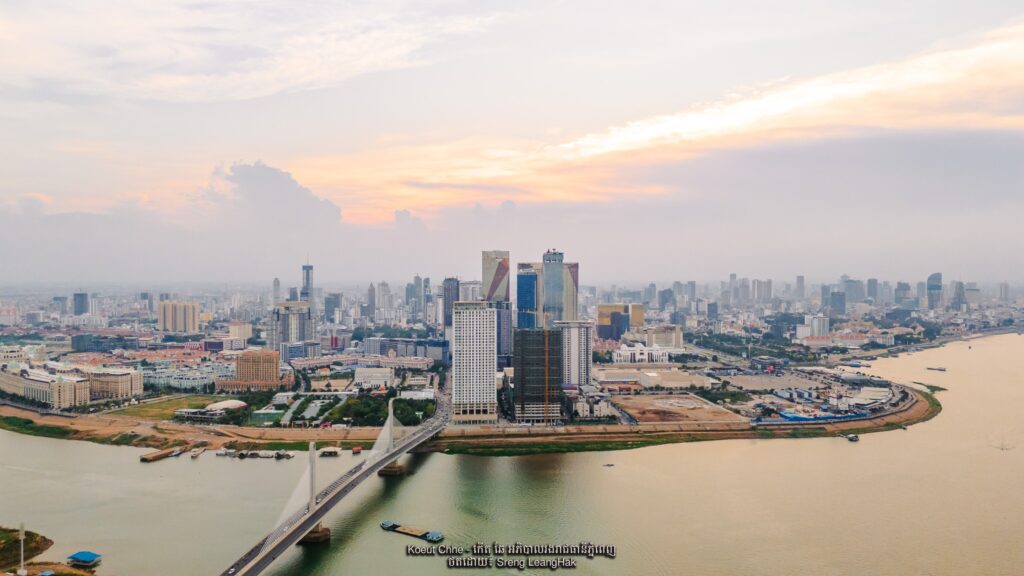
Despite the downward revision, the forecast of around 5% growth remains higher than in previous years.
According to Cambodia’s “Budget Strategic Plan 2026–2028” and the “Draft Law on Public Finance for Management in 2026,” the country’s economic growth is projected to slow to 5.2% in 2025 and further to 5% in 2026.
Ky Sereyvath, an economics researcher at the Royal Academy of Cambodia, said Cambodia’s exports are primarily directed to the EU, China, Japan and South Korea. As those economies face challenges, Cambodia’s exports are inevitably affected.
“This global economic uncertainty stems from the U.S. tariff policies,” Sereyvath said. “Cambodia faces similar issues, even though it receives favorable tariffs of over 10%. Not only Cambodia, but developing countries around the world are impacted because the EU, U.S. and China are currently the largest markets for them.”
Sereyvath added that Cambodia’s economy may also be slightly affected by the ongoing border dispute with Thailand. However, he noted that the forecasted growth of just under 5% in 2025 and 5.2% in 2026 is still higher than in previous years.
Hong Vannak, an economist at the Royal Academy of Cambodia, said the projected decline in growth will not significantly affect the country’s overall development, as Cambodia remains a small and developing economy. He attributed the slowdown primarily to global factors, especially increased U.S. tariffs.
He warned that slower growth could impact the national budget, urging the government to carefully manage annual expenditures and prioritize spending. He also recommended revitalizing sectors that have seen declining exports in recent years.
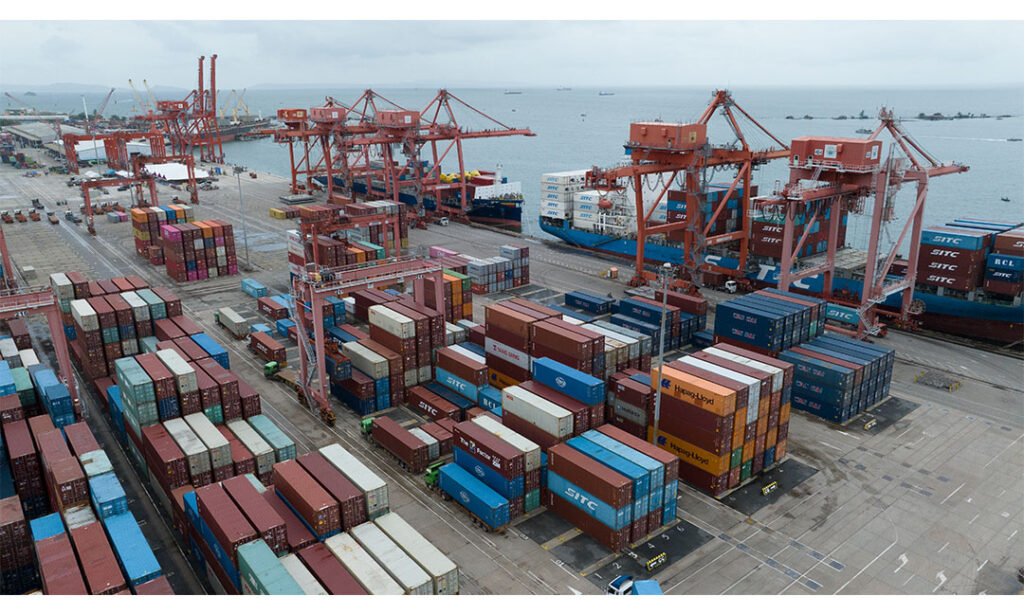
Before the announcement of U.S. tariff policies, Cambodia’s economy was projected to grow by 6.3% in both 2025 and 2026, and by approximately 6.5% in the medium term (2027–2028), according to the strategic budget plan.
However, in line with updated global forecasts, Cambodia’s growth has been revised to 5.2% in 2025 and 5% in 2026. The decline is attributed to expected impacts on export-oriented sectors such as garment manufacturing, non-garment industries and supporting sectors including transportation, logistics and wholesale-retail trade.
If external conditions worsen and trade negotiations with the United States fail to produce positive outcomes, growth could decline further. Under current projections, Cambodia’s economy is expected to grow by 5% in 2026 and average around 5.6% between 2027 and 2028.

-

 National1 month ago
Cambodia Expands Free ID Services While Introducing Clear Fee Structure for Administrative Documents
-

 National3 weeks ago
Cambodia proposes trilateral anti‑crime liaison mechanism with Laos, Vietnam
-
 National2 weeks ago
PM Hun Manet to visit China as trade surges and investment deepens
-

 National2 weeks ago
Cambodia says four soldiers injured in border blast, investigation launched
-

 National1 month ago
Samdech Techo Hun Sen Says Cambodia Can Meet Defence Needs Through Domestic Production
-

 National2 weeks ago
Cambodia opens new distribution hub to expand market access for local businesses
-
 Opinion2 months ago
From Connectivity to Resilience: How Japan’s Strategic Shift Could Transform Cambodia’s Next Development Phase
-
 Economy2 months ago
Cambodia Welcomes 1 Million Tourists in Q1, But Arrivals Fall Sharply Amid Regional Pressures