Economy
Cambodia’s Economic Strength Seen as Key to National Sovereignty Amid Thai Trade Boycott
By Leng Deth
Phnom Penh, Cambodia (Aug. 19, 2025) — The private sector and economist are urging citizens to focus on strengthening the domestic economy as a means of asserting national sovereignty, amid rising nationalist sentiment and a grassroots boycott of Thai products.

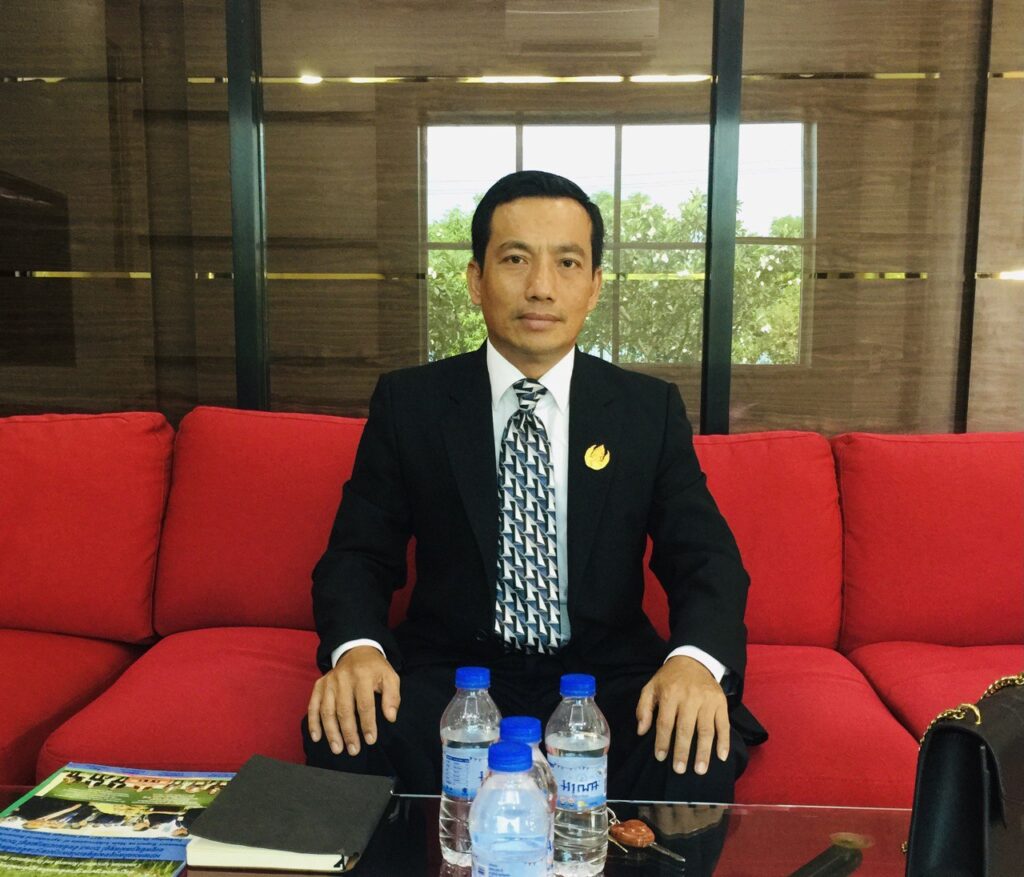
Hong Sok Hour, Chief Executive Officer of the Cambodia Securities Exchange (CSX), emphasized during a recent live broadcast that Cambodia’s resilience depends not only on national defense but also on economic empowerment. “If we want Cambodia to be strong and respected, we must first strengthen ourselves,” he said. “A strong economy is the real deterrent—no one dares to look down on a country with economic power.”
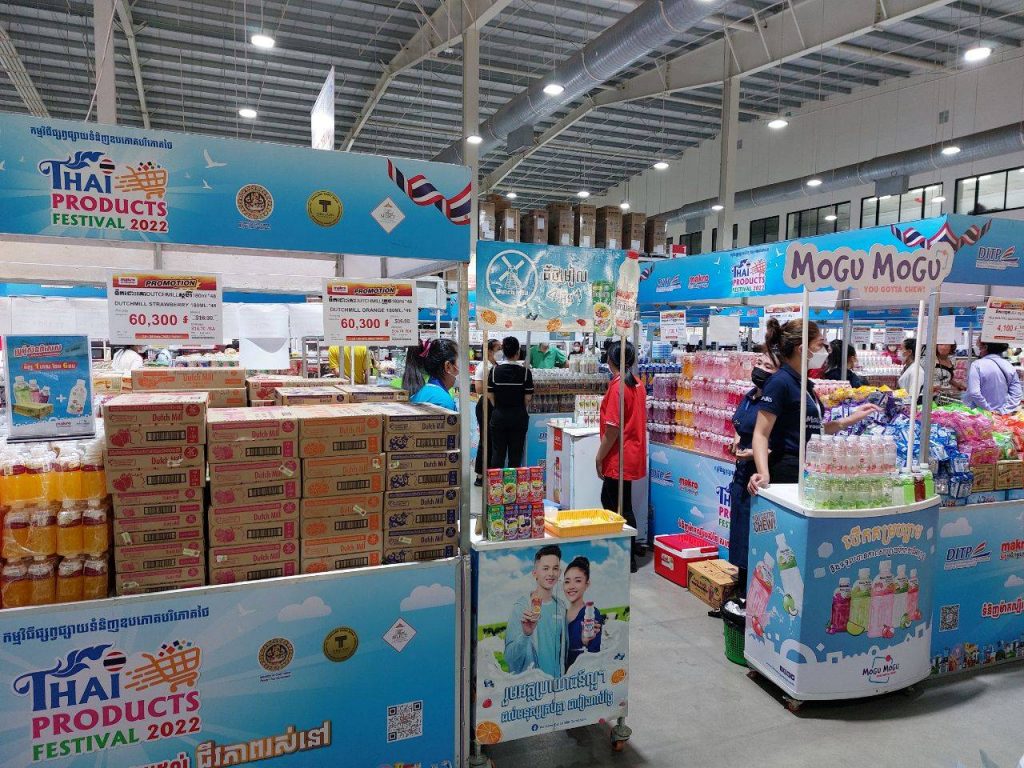
His remarks come as Cambodian consumers increasingly reject Thai goods following renewed tensions along the border. The boycott, while not officially endorsed by the government, reflects growing public discontent and nationalist sentiment, according to Dr. Hong Vannak, an economist at the Royal Academy of Cambodia.
“The decision to stop using Thai products is a personal choice, not a government directive,” Vannak said. “But it reflects a collective awareness and patriotic spirit that emerged after the Cambodia–Thailand border conflict.”
He noted that past conflicts, particularly between 2008 and 2011, triggered similar consumer reactions. While Cambodian trust in Thai products was once high, recent tensions have revived calls to prioritize local goods.
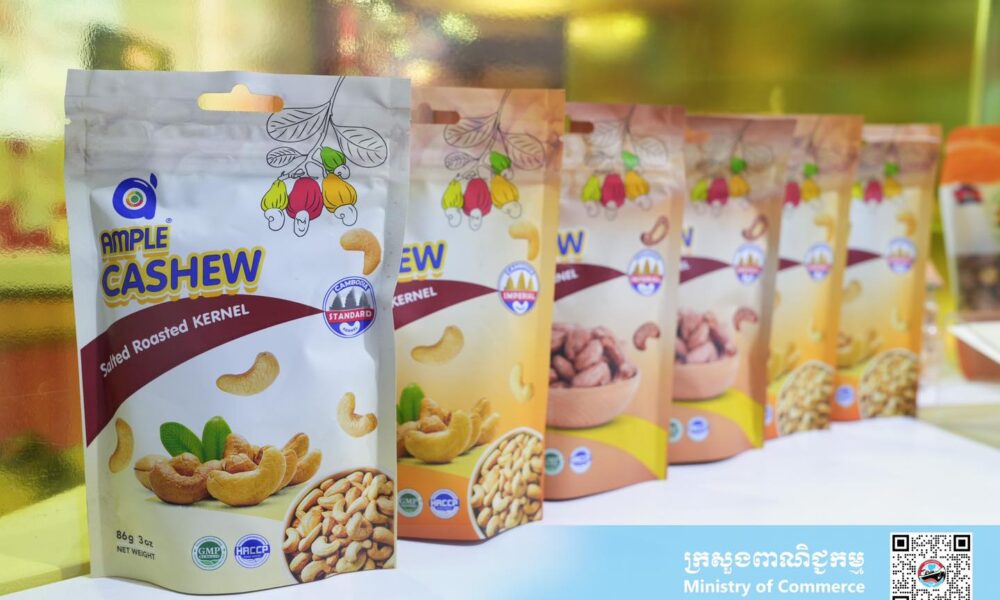
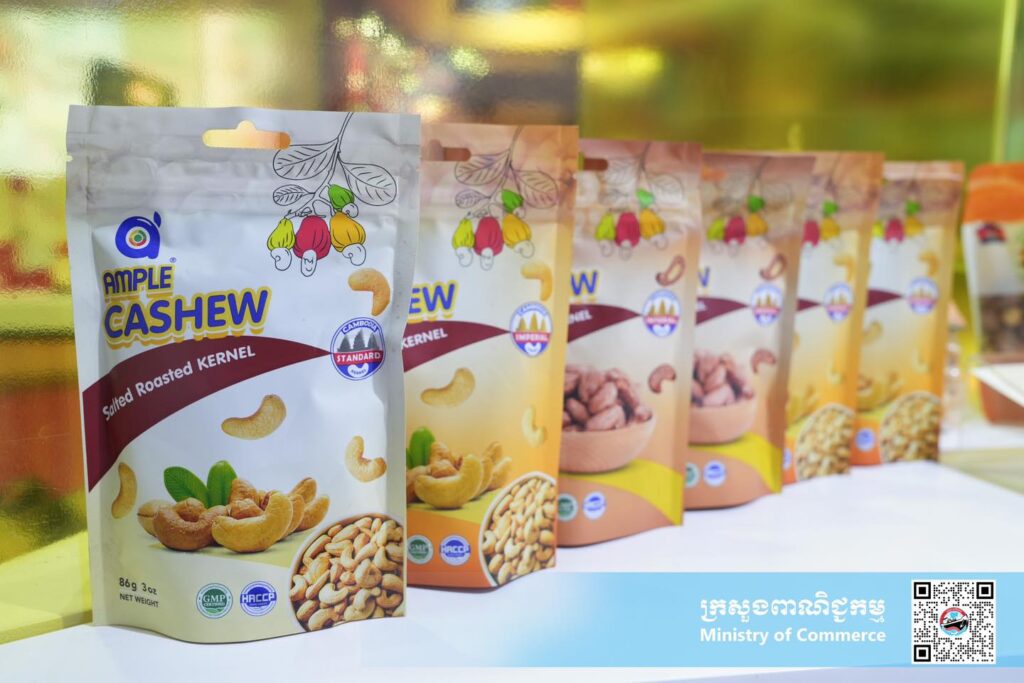
“Unlike in 2008, Cambodians now have viable alternatives,” Vannak said. “Domestic industries have matured, offering quality products that can substitute Thai imports.”
He warned, however, that the boycott could persist longer than previous episodes, depending on how bilateral relations evolve. “If ties improve gradually, the situation may normalize—but it will take time,” he said.
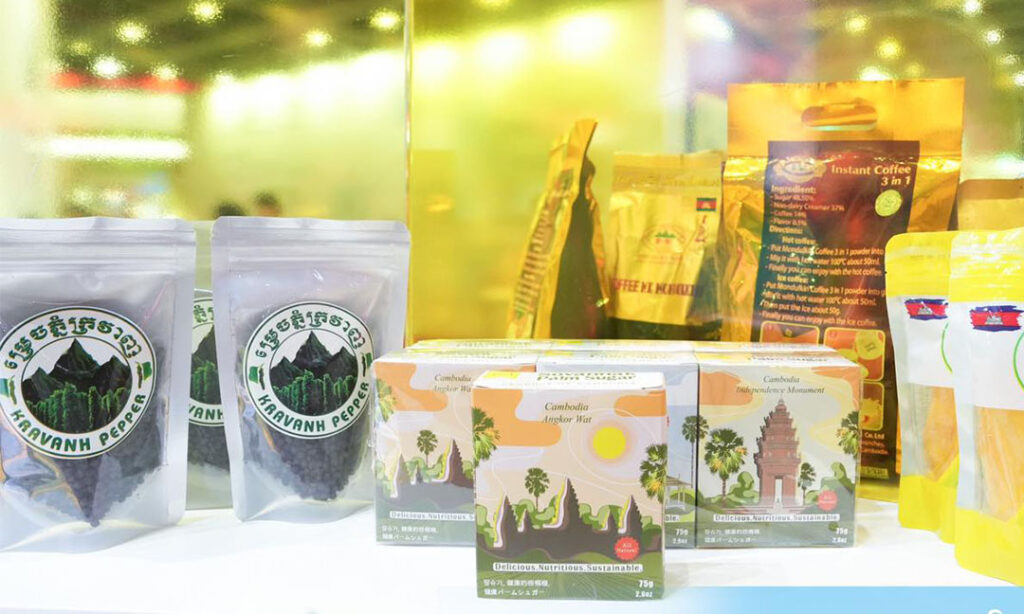
Cambodia’s push for economic self-reliance aligns with broader efforts to reduce external vulnerabilities and promote national pride through local production. Analysts say sustained investment in domestic industries will be critical to maintaining momentum and mitigating geopolitical risks.
Cambodia’s trade with Thailand continued to soften in July, with imports falling to $166 million from $297.4 million a year earlier, according to data released by the General Department of Customs and Excise (GDCE) on August 11. Exports also declined, dropping 31.3 percent year-on-year to $40.6 million from $59.2 million.
For the January–July period, Cambodian exports to Thailand totaled $488.7 million, while imports reached $1.9 billion. Total bilateral trade stood at $2.4 billion, marking a slight decrease of 0.6 percent compared to the same period in 2024.

-

 National1 month ago
Cambodia Expands Free ID Services While Introducing Clear Fee Structure for Administrative Documents
-

 National3 weeks ago
Cambodia proposes trilateral anti‑crime liaison mechanism with Laos, Vietnam
-
 National2 weeks ago
PM Hun Manet to visit China as trade surges and investment deepens
-

 National2 weeks ago
Cambodia says four soldiers injured in border blast, investigation launched
-

 National1 month ago
Samdech Techo Hun Sen Says Cambodia Can Meet Defence Needs Through Domestic Production
-

 National2 weeks ago
Cambodia opens new distribution hub to expand market access for local businesses
-
 Opinion2 months ago
From Connectivity to Resilience: How Japan’s Strategic Shift Could Transform Cambodia’s Next Development Phase
-

 Economy2 months ago
Cambodia Welcomes 1 Million Tourists in Q1, But Arrivals Fall Sharply Amid Regional Pressures