National
Opinion: “When Brotherhood Becomes Betrayal: Thailand’s Origins in Khmer Civilization”
By Dr. Thourn Sinan – Spiritual & Tourism Professional
A Shared Beginning
Centuries ago, in the 13th century, the Tai people left Yunnan in southern China. They came with little — no written script, no temples, no kingship system. They were newcomers looking for land and survival.
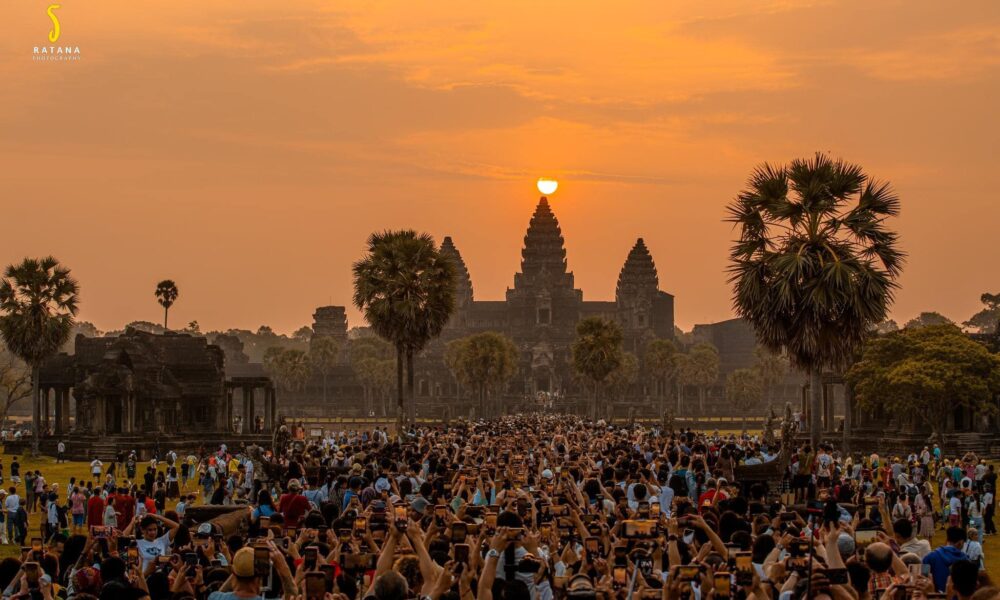
Where did they find it? In the heart of Khmer civilization. At that time, Angkor was the shining center of Southeast Asia — a land of vast temples, advanced irrigation, sacred traditions, and royal customs refined over centuries.
It was under this Khmer influence that the Tai migrants began to grow. They borrowed Khmer script, they adopted Khmer architectural styles, they practiced Khmer court rituals. Even the Thai alphabet has its roots in Khmer. In truth, without Khmer guidance, Siam could never have become Thailand.
When the Younger Turns Against the Elder
But history took a painful turn. After the decline of the Khmer Empire under King Jayavarman VIII, Siam began to rise. And instead of honoring the hand that raised them, the Siamese turned their ambitions on their cultural parent.
From the 15th century onward, waves of Cambodian lands fell into Siamese control. Provinces that once formed the living heart of the Khmer world — Surin, Buriram, Sisaket, Nakhon Ratchasima (Korat), Sa Kaeo, Prachinburi, Chachoengsao, Chonburi, Rayong, Chanthaburi, Trat, Lopburi, Saraburi, Ayutthaya, Nakhon Nayok, Ubon Ratchathani, Amnat Charoen, Yasothon, Roi Et, Maha Sarakham, Kalasin, Khon Kaen, Chaiyaphum, Udon Thani, Nong Bua Lamphu, Nong Khai, Sakon Nakhon, Nakhon Phanom, Mukdahan, and Bueng Kan — were absorbed into Thailand. These thirty provinces, once governed by Angkorian roads, inscriptions, and temples, are today considered “Thai,” yet their roots remain unmistakably Khmer.
With the land went the temples. Some of the greatest jewels of Khmer civilization, now promoted as “Thai heritage,” still stand across this territory:
- Prasat Phimai (Phimai)
- Prasat Phnom Rung (Phanom Rung)
- Prasat Muang Tam (Muang Tam)
- Prasat Sikhoraphum (Sikhoraphum)
- Prasat Sdok Kok Thom (Sdok Kok Thom)
- Prasat Phnom Wan (Phanom Wan)
- Prasat Prang Ku (Prang Ku)
- Prasat Ban Phluang (Ban Phluang)
- Prasat Prang Sam Yot (Prang Sam Yot – Lopburi)
- Prasat Prang Khaek (Prang Khaek – Nakhon Ratchasima)
- Prasat Wat Sa Kamphaeng Yai (Wat Sa Kamphaeng Yai – Sisaket)
…and dozens more scattered sanctuaries across Buriram, Surin, Sisaket, Prachinburi, and Korat.
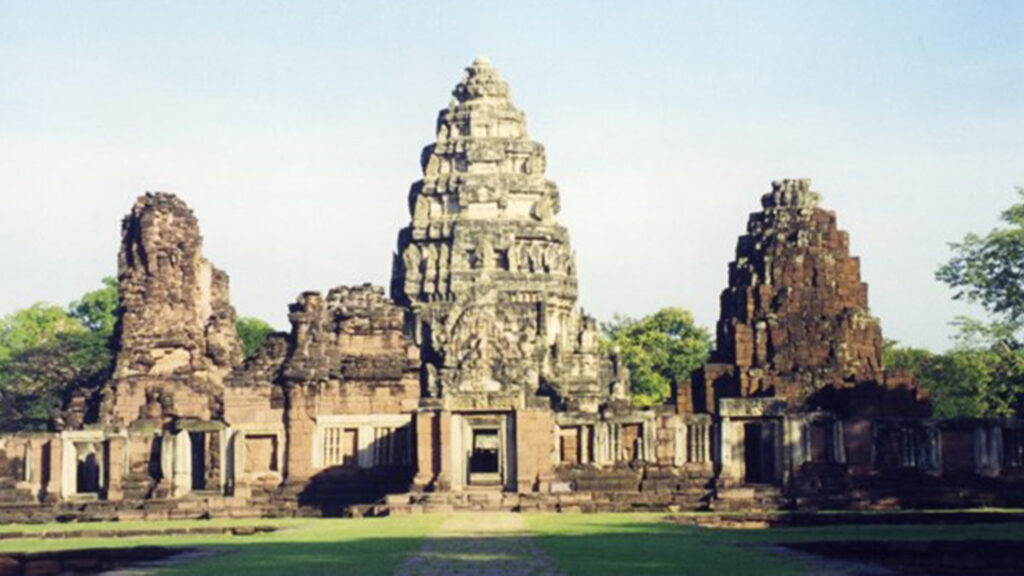
Prasat Phimai
Khmer temples were renamed “Thai.” Khmer villagers in Surin, Buriram, and Sisaket were pressured to abandon their mother tongue and rebranded as “Thai.” Even the term Khom was invented to disguise Khmer heritage under a new identity.
The irony is bitter: the younger brother, raised by Khmer civilization, chose to erase the very parent who gave him life.
The Wounds of the Present
This story is not just history. It lives on today.
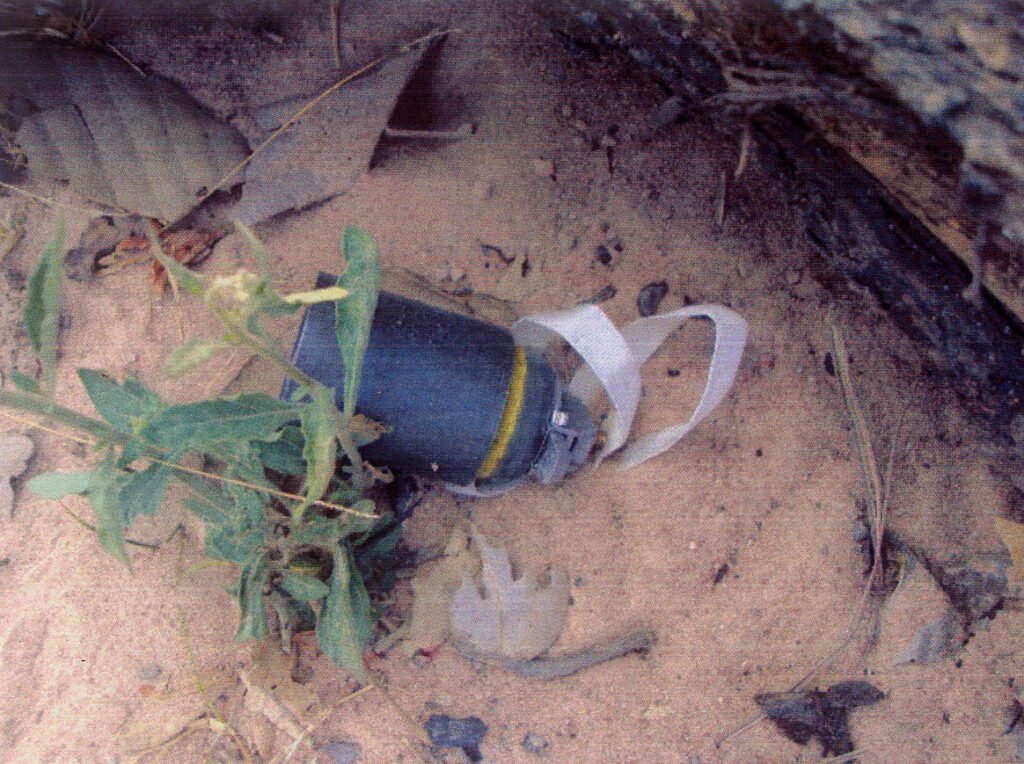
In 1979, after the fall of the Khmer Rouge, more than 300,000 Cambodian refugees fled into Thailand. Instead of safety, many were forced back into the Dangrek Mountains, into minefields. At least 30,000 innocent lives were lost — men, women, children.
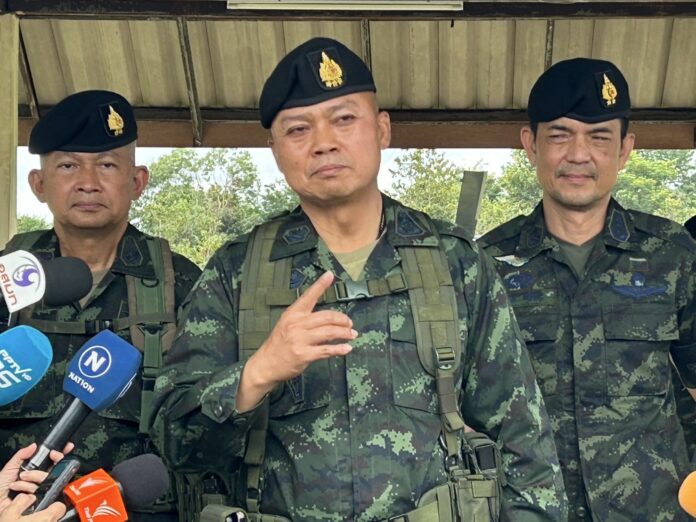
And now, in 2025, the pattern repeats. Despite a ceasefire signed on 28 July, Thai troops broke the agreement within 24 hours, capturing 20 Cambodian soldiers. Eighteen remain in captivity. Thai jets, drones, and heavy weapons have been used against Cambodian soil, while their media spreads propaganda that paints Cambodia as the aggressor.
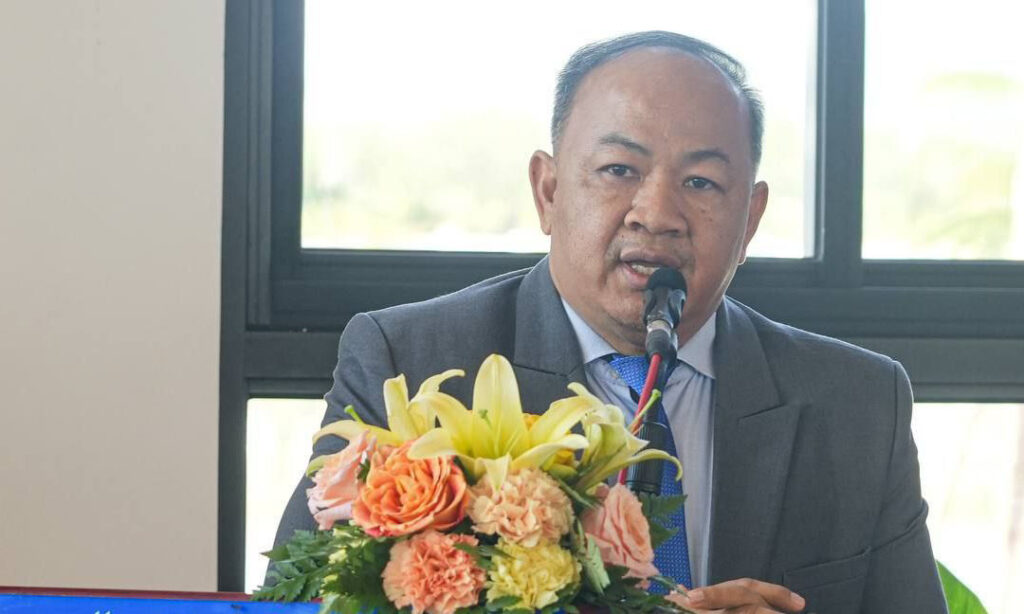
Dr. Thourn Sinan – Spiritual & Tourism Professional
Even more shocking: Thai officials and Thai media recently said they would not bring the case to the International Court of Justice (ICJ) because “Cambodia is our brother and sister.”
But if we are brothers and sisters, then I ask:
- Why invade us?
- Why erase our identity?
- Why send F-16s, drones, and poison weapons against our people?
- If you truly believe Cambodia is at fault, why not bring the case to ICJ or ICC?
Brotherhood cannot be a slogan to avoid justice. Brotherhood must be proven in action.
Cambodia’s Voice: We Want Peace
Cambodia is small. We cannot match the armies or weapons of our neighbors. But we are strong in something else: our culture, our patience, and our desire for peace.
We do not dream of conquering anyone. All we want is to live without fear of losing more land, more people, or more history. That is why, time and again, we have invited Thailand to resolve disputes through international law. But Thailand has refused.
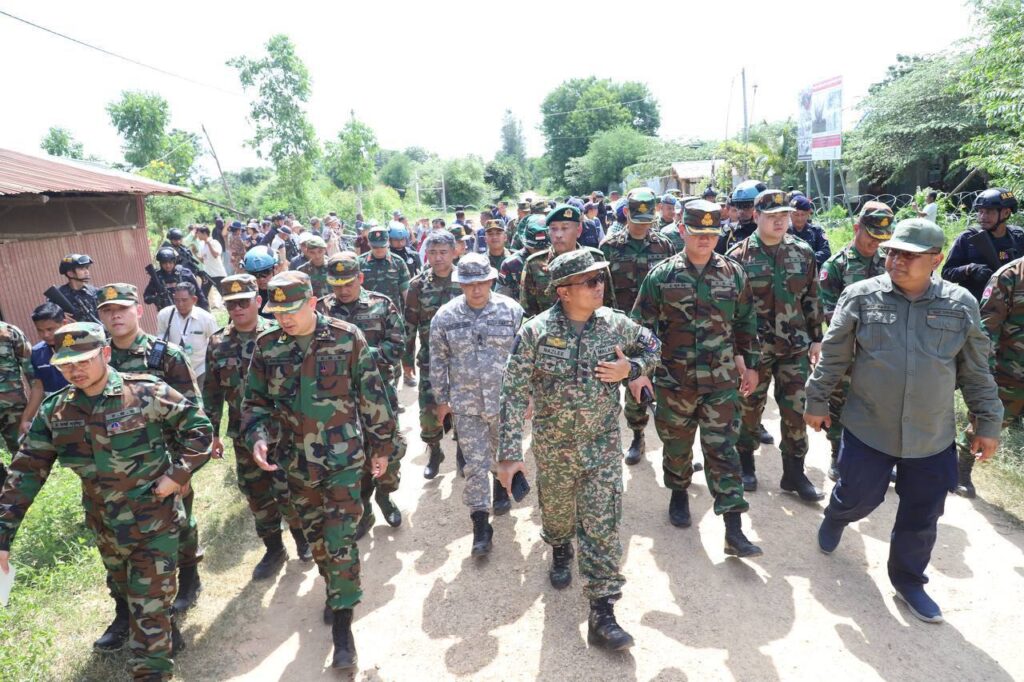
Our patience should not be mistaken for weakness. It is our moral choice. Because we have seen enough war. What we need now — what our children need — is peace.
A Message to the World
This is not just a border dispute. It is not simply about lines on a map. This is a war of memory, of truth, and of identity.
For over 800 years, Cambodia has endured invasions, territorial loss, and systematic attempts to erase our heritage. Empires have risen and fallen around us, yet we remain. We are still here. And despite the weight of history, we continue to believe in the power of truth, in the rule of law, and in the universal right to peace.
But peace cannot survive on silence. Justice cannot live in denial. The international community must no longer turn away. This is not an isolated quarrel between neighbors. It is a deliberate campaign to appropriate culture, to rewrite history, and to weaken a people until they vanish from the world’s memory.
To the leaders of the world, to the United Nations, to ASEAN, to the guardians of human rights and international law, I say:
- Do not let this conflict be dismissed as another “flare-up.”
- Recognize it for what it truly is — a campaign of cultural domination and historical erasure.
- Support Cambodia’s call for justice and peace through international law, not through military might.
- Demand accountability when ceasefires are broken, when agreements are violated, and when smaller nations are bullied into silence.
- Stand with the principle that no country, however small, should have its dignity stripped away.
Because a map may show borders, but behind those lines live people, families, memories, and cultures. To erase them is not politics — it is an assault on humanity itself.
And because brothers and sisters do not invade each other’s homes. Brothers and sisters do not erase each other from history. True brotherhood is built on respect, honesty, and justice — not slogans to mask aggression.
The Khmer people have suffered enough. We do not ask for power or wealth. We ask for fairness, for dignity, and for the right to live in peace. And if the world truly values justice, then Cambodia’s voice must be heard, and Cambodia’s truth must be told.
References
- Chandler, D. P. (2008). A History of Cambodia (4th ed.). Westview Press.
- Wyatt, D. (2003). Thailand: A Short History. Yale University Press.
- Vickery, M. (1977). “Cambodia After Angkor: The Chroniclers’ View.” Journal of Southeast Asian Studies.
- Coedès, G. (1968). The Indianized States of Southeast Asia. University of Hawaii Press.
- Freeman, M., & Jacques, C. (1999). Ancient Angkor. River Books.
- Higham, C. (2014). Early Mainland Southeast Asia: From First Humans to Angkor. River Books.
- Fine Arts Department of Thailand (กรมศิลปากร). (2000). Phanom Rung Historical Park Guidebook. Bangkok: Ministry of Culture.
- UNESCO World Heritage Centre. (2023). Preah Vihear Temple – State of Conservation Reports. Paris: UNESCO.
- Lustig, T. (2009). “Khmer Temples of Thailand: Architecture, Symbolism and Cultural Heritage.” Journal of Southeast Asian Archaeology.
- The Nation Thailand. (2025). “Thailand reaffirms stance on ICJ in border row.” Statement noting Thailand will not go to ICJ because Cambodia is considered a “brother and sister.” The Nation [Facebook Video].
- Thailand Public Relations Department. (2025). Statement by Foreign Minister Maris Sangiampongsa, declaring Thailand’s refusal to bring the case to ICJ, citing “brotherhood” with Cambodia. PRD Thailand [Facebook Post].
- Arab News. (2025). “Cambodia takes border dispute with Thailand to the International Court of Justice (ICJ).” Arab News Report.
- Wikipedia. (2025). Cambodia–Thailand relations. Updated to include 2025 border clashes and ICJ context.

-
 National1 month ago
Cambodia Expands Free ID Services While Introducing Clear Fee Structure for Administrative Documents
-
 National3 weeks ago
Cambodia proposes trilateral anti‑crime liaison mechanism with Laos, Vietnam
-
 National2 weeks ago
PM Hun Manet to visit China as trade surges and investment deepens
-
 National2 weeks ago
Cambodia says four soldiers injured in border blast, investigation launched
-
 National1 month ago
Samdech Techo Hun Sen Says Cambodia Can Meet Defence Needs Through Domestic Production
-

 National2 weeks ago
Cambodia opens new distribution hub to expand market access for local businesses
-
 Opinion2 months ago
From Connectivity to Resilience: How Japan’s Strategic Shift Could Transform Cambodia’s Next Development Phase
-
 Economy2 months ago
Cambodia Welcomes 1 Million Tourists in Q1, But Arrivals Fall Sharply Amid Regional Pressures