National
Analysts: Restoring Trust with Thailand Will Take Longer Than After the 2008 Conflict
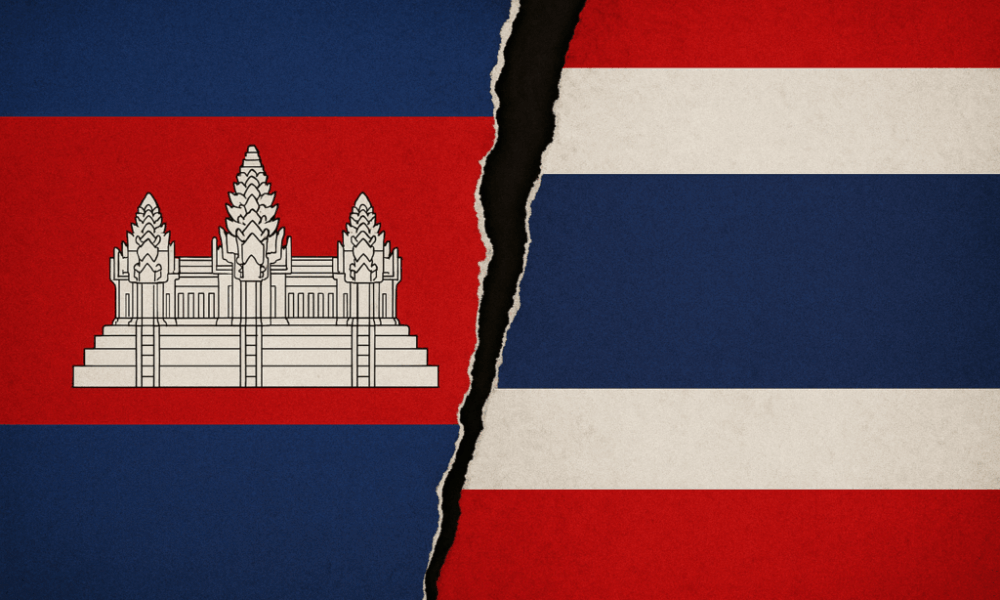
Analysts believe that rebuilding trust between Cambodia and Thailand will take significantly longer than it did following the 2008 armed conflict, citing deeper political divisions, damaged public perceptions, and Cambodia’s increasing independence from Thai goods and energy.
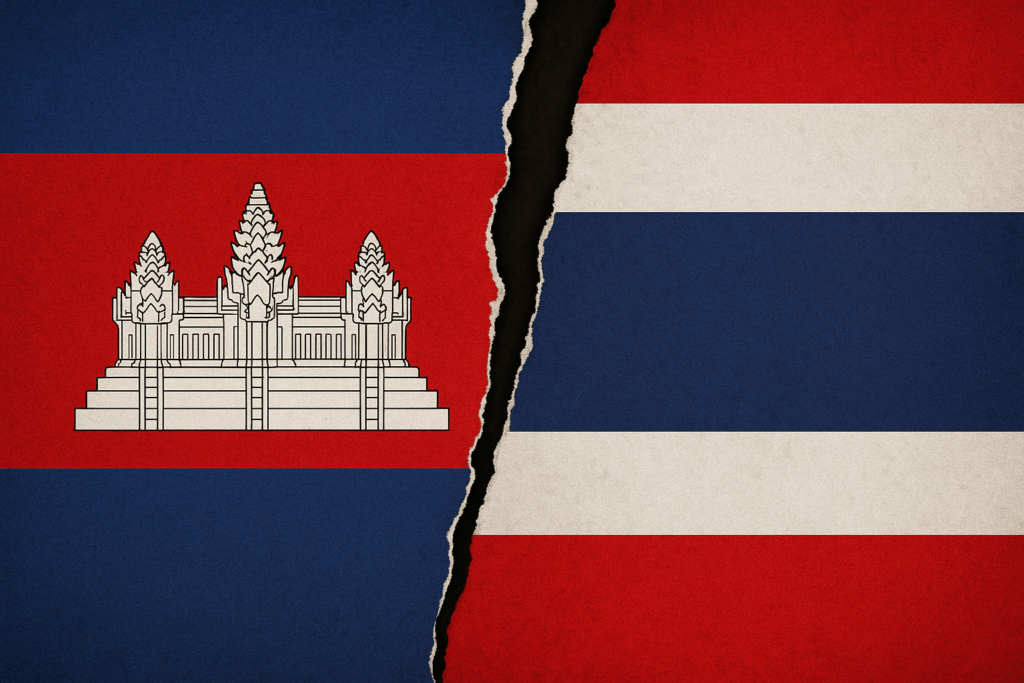
Since diplomatic ties were downgraded on July 23, observers say Thailand has lost much of its soft power over Cambodia. Thailand’s perceived actions during the conflict have been widely publicized, while Cambodian consumers have increasingly turned to domestically produced goods or imports from third countries.
Speaking at Kampuchea Thmey’s Expert Forum on Saturday, geopolitical analyst Dr. Chey Tech likened the situation to “a broken plate that is not easy to put back together.” He said current border tensions stem from Thailand’s internal political issues spilling over into Cambodia, affecting both trade and public sentiment.
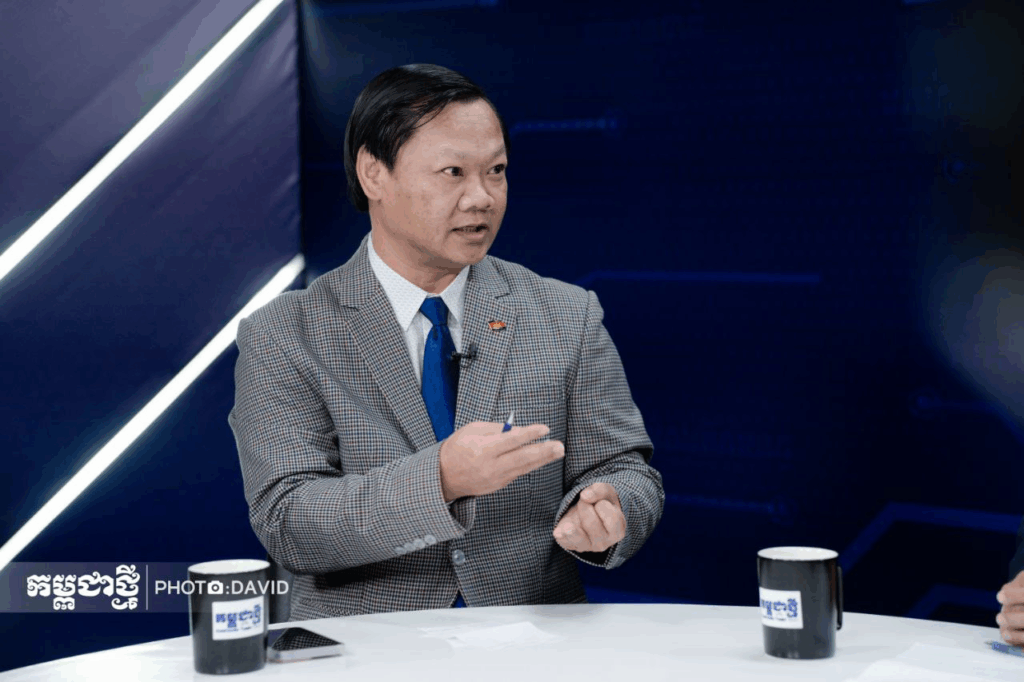
“Cambodian people are boycotting Thai products, and for goods we cannot produce ourselves, we now source them from other countries,” Dr. Chey said. “Rebuilding relations will be long and difficult—unlike in 2008, when hostilities ended after Thailand resolved its internal affairs and reaffirmed the ICJ ruling on Preah Vihear.”
The July 23 downgrade in diplomatic relations saw both countries recall their ambassadors and reduce representation to the chargé d’affaires level. The following day, armed clashes broke out along the border.
Dr. Kin Phea, director of the International Relations Institute of Cambodia (IRIC), said trust can only be restored if both sides take concrete steps, including respecting the ceasefire, reopening the border, normalizing diplomatic ties, establishing mechanisms to improve relations, and finalizing border demarcation.
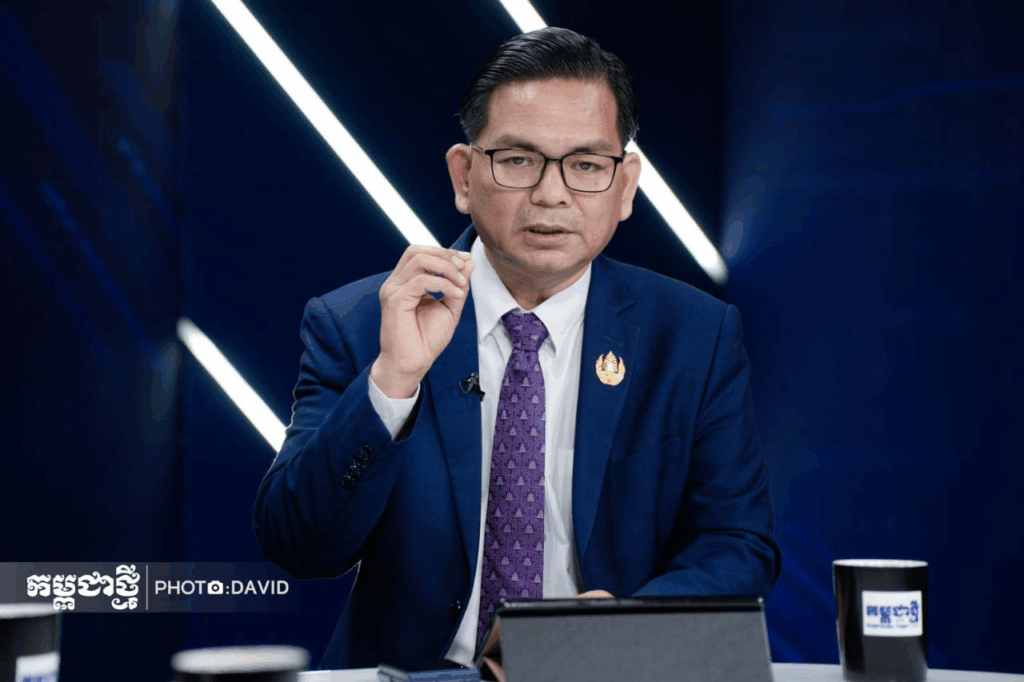
“The most important step to avoid future conflicts is to establish a clear and accurate border based on international agreements—especially the French-Siamese Conventions of 1904 and 1907, and the 2000 and 2001 MOUs,” Dr. Kin said. “Once the border is settled, remaining tensions will exist at the people-to-people level, not between states.”
The last armed clashes between Cambodia and Thailand occurred between 2008 and 2011, after Thai troops occupied the Preah Vihear temple. Despite the dispute, diplomatic and trade relations remained largely intact, with open borders and regular goods exchange.
In September 2011, the leaders of both countries signaled reconciliation by playing a friendly football match at Phnom Penh’s Olympic Stadium. Relations returned to normal in November 2013 after the International Court of Justice ruled in Cambodia’s favor.
By Hun Sirivadh

-
 National1 month ago
Cambodia Expands Free ID Services While Introducing Clear Fee Structure for Administrative Documents
-
 National3 weeks ago
Cambodia proposes trilateral anti‑crime liaison mechanism with Laos, Vietnam
-
 National2 weeks ago
PM Hun Manet to visit China as trade surges and investment deepens
-
 National2 weeks ago
Cambodia says four soldiers injured in border blast, investigation launched
-
 National1 month ago
Samdech Techo Hun Sen Says Cambodia Can Meet Defence Needs Through Domestic Production
-

 National2 weeks ago
Cambodia opens new distribution hub to expand market access for local businesses
-
 Opinion2 months ago
From Connectivity to Resilience: How Japan’s Strategic Shift Could Transform Cambodia’s Next Development Phase
-
 Economy2 months ago
Cambodia Welcomes 1 Million Tourists in Q1, But Arrivals Fall Sharply Amid Regional Pressures