National
Opinion: The reason behind the detention of Cambodian soldiers and why Thailand refuses to release them?
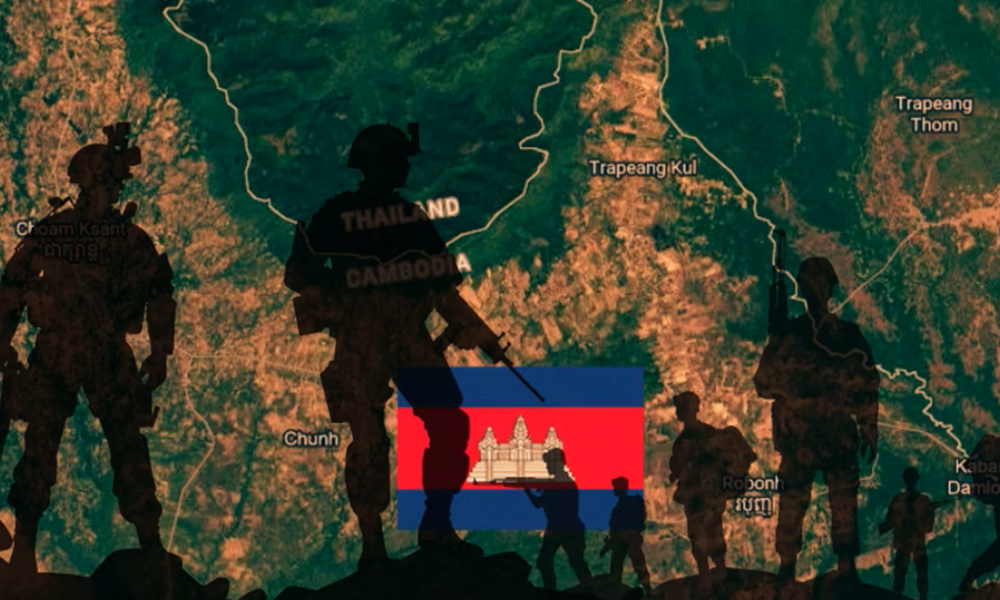
Although the Cambodia–Thailand border conflict appears to be calm due to the ceasefire and the GBC agreement — closely monitored by major world powers such as the United States, China, ASEAN, and several Defence Attaché — diplomatic tensions between Cambodia and Thailand remain intense. The main factor driving the current diplomatic strain is the case of the 18 Cambodian soldiers whom Thailand has detained and refuses to release to this day.

On Monday this week, it has been 13 days since Thailand detained the 18 Cambodian soldiers—an act violating the ceasefire agreement that took effect at 24:00 on July 28. At present, not only Cambodia, but also many nations observing the situation between Cambodia and Thailand, along with human rights organizations, have called on Thailand to release all 18 Cambodian soldiers unconditionally. However, these appeals appear to have been neither respected nor acted upon by Thailand.
There are many questions about the reasons behind the detention of the Cambodian soldiers. Why does Thailand refuse to release them?
By observing the behavior and past military actions of Thailand, we can analyze several reasons why Thailand seems to disregard international law and violate the ceasefire agreement as it has done in this case:
1-Leverage in negotiations with Cambodia:
Thailand believes that holding the Cambodian soldiers gives it an advantage in negotiation with Cambodia—whether it’s negotiating an end to the conflict, finalizing border demarcation, discussing military positions, or other political problems.
2-Domestic politics:
During the five-day conflict with Cambodia, Thailand suffered significant losses, including the lives of many soldiers and hurting many Thai citizen who are living along the borders. Detaining Cambodian troops serves to appease hardline for some extreme nationalists who are stirring unrest in Bangkok, demonstrating that the Thai military remains strong against Cambodia.
3-Using legal pretexts:
To respond to pressure from international defence attaché and human rights organizations, especially demands from the Phnom Penh government—Thailand has used legal technicalities, claiming that the 18 Cambodian soldiers illegally crossed into Thai territory and are therefore subject to investigation under Thai law before they can be repatriated. This legal reasoning is largely a pretext to gain political advantage and delay their release.
4-Saving face and waiting for the right moment:
Releasing the Cambodian soldiers immediately, as demanded by international organizations and the Cambodian government, could cause Thailand to lose face on the international stage. Therefore, Thailand is waiting for a more opportune time to release them—possibly during a major ASEAN summit—to showcase its goodwill and humanitarian spirit in a way that preserves its dignity and appears as a voluntary gesture rather than a forced concession.
Based on the analysis above, the question of whether Thailand will release the Cambodian soldiers can be answered as follows: Thailand will eventually release them, but is waiting for the right opportunity to save face and to leverage international optics, especially to maximize political gains both domestically and in negotiations with Cambodia.
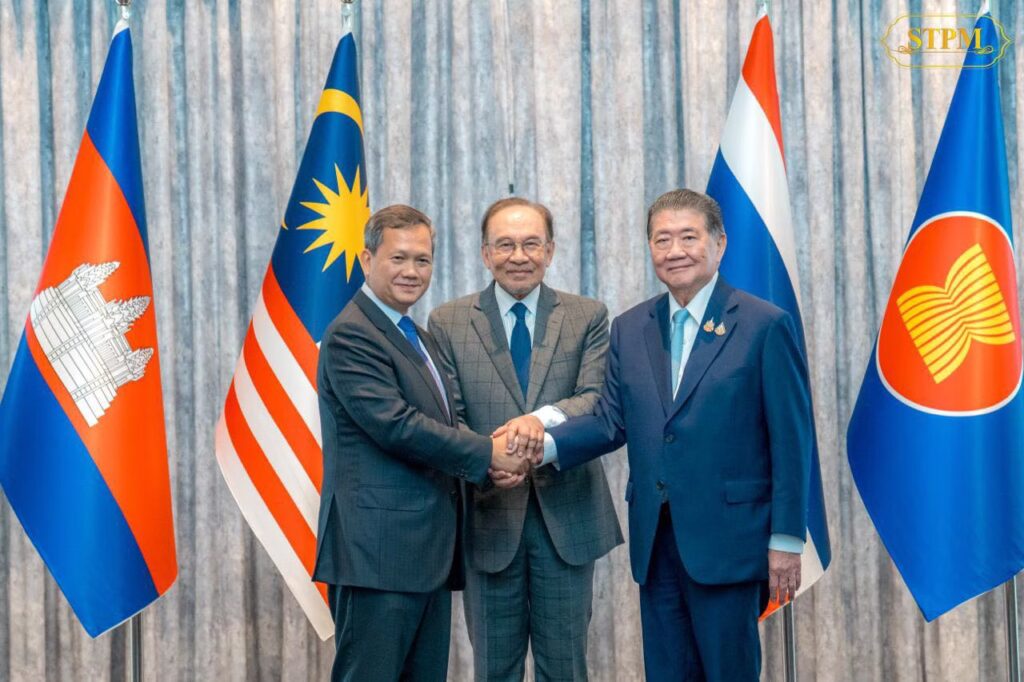
During this timing, what should Cambodia do? The answer, Cambodia must intensify its diplomatic efforts to gain stronger support from the international community and continue pressuring Thailand to release the Cambodian soldiers as soon as possible.
Currently, the Cambodian government is making strong efforts to secure international support and demand that Thailand release all 18 detained soldiers. These efforts include leveraging ASEAN, Defence Attaché, human rights organizations, and major world powers such as the United States and China to help mediate and urge Thailand to promptly repatriate the Cambodian soldiers to their homeland.
Moreover, to reduce tensions and prevent any renewed clashes along the borders of 2 nations, the Cambodian government is pursuing a mature and balanced policy toward both the bilateral relationship and the international community. This approach aims to send a clear message to the world that Cambodia desires peace and does not seek conflict with its neighbors.

-
 National1 month ago
Cambodia Expands Free ID Services While Introducing Clear Fee Structure for Administrative Documents
-
 National3 weeks ago
Cambodia proposes trilateral anti‑crime liaison mechanism with Laos, Vietnam
-
 National2 weeks ago
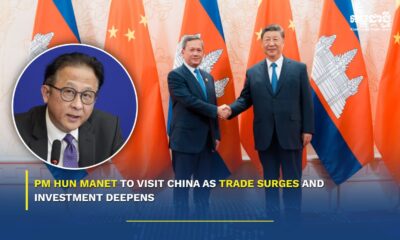
PM Hun Manet to visit China as trade surges and investment deepens
-
 National2 weeks ago
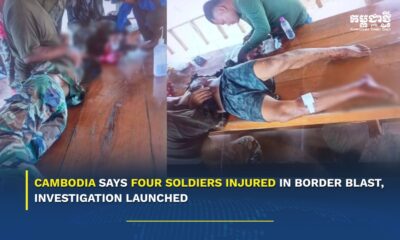
Cambodia says four soldiers injured in border blast, investigation launched
-
 National1 month ago
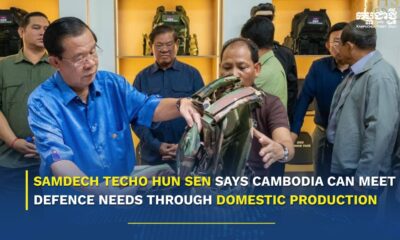
Samdech Techo Hun Sen Says Cambodia Can Meet Defence Needs Through Domestic Production
-

 National2 weeks ago
Cambodia opens new distribution hub to expand market access for local businesses
-
 Opinion2 months ago
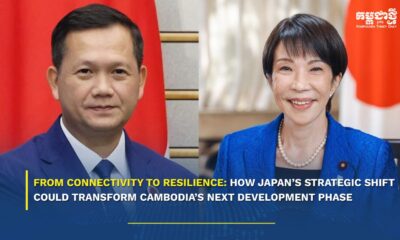
From Connectivity to Resilience: How Japan’s Strategic Shift Could Transform Cambodia’s Next Development Phase
-
 Economy2 months ago
Cambodia Welcomes 1 Million Tourists in Q1, But Arrivals Fall Sharply Amid Regional Pressures