National
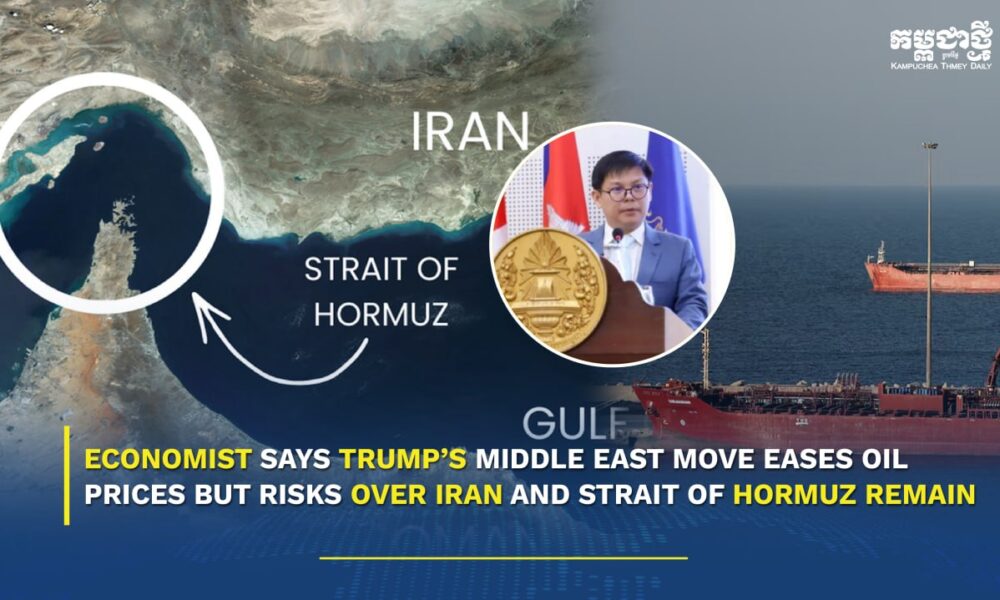
Economist says Trump’s Middle East move eases oil prices but risks over Iran and Strait of Hormuz remain
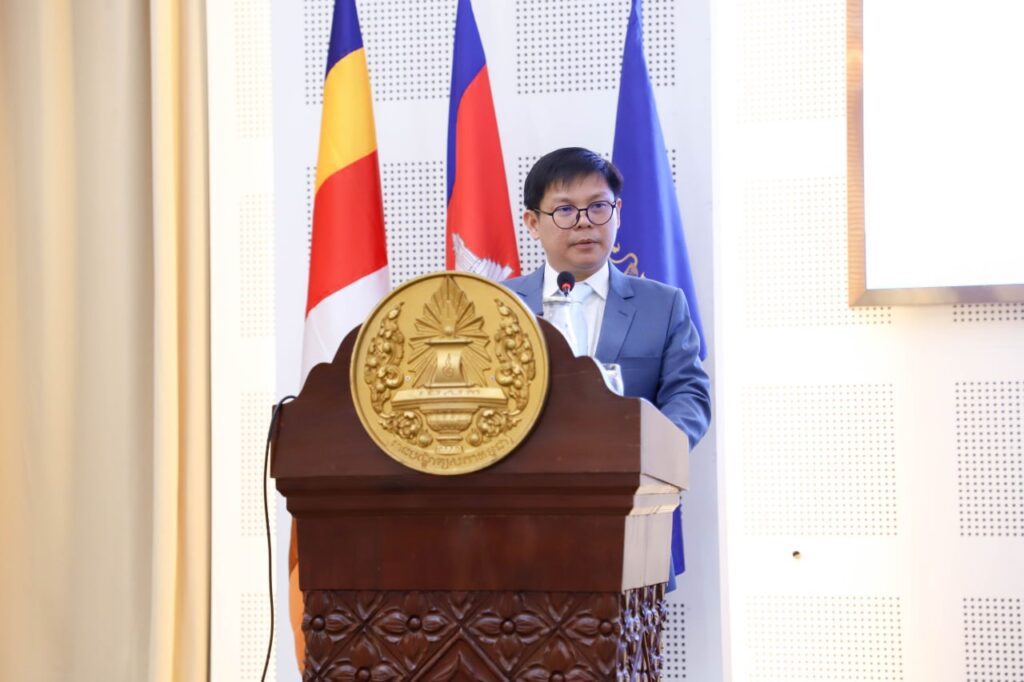
PHNOM PENH, Mar. 25, 2026 (KPT) — A Cambodian economist has warned that Donald Trump’s remarks on reducing tensions in the Middle East may temporarily ease global oil prices, but risks over Iran and the Strait of Hormuz remain critical for energy security.
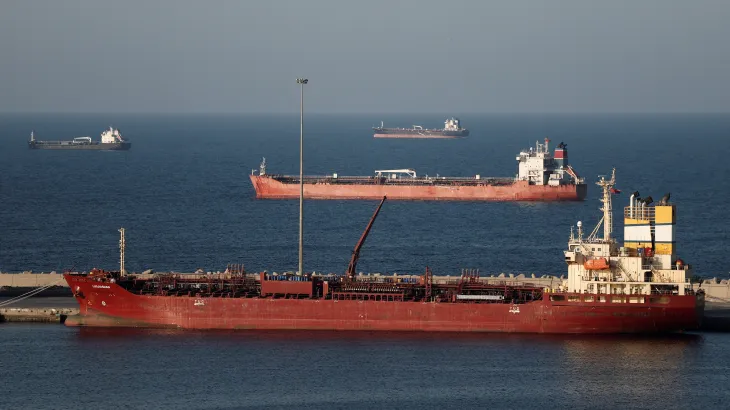
Ky Sereyvath of the Royal Academy of Cambodia said Trump’s announcement was a positive step toward reopening the Strait of Hormuz, a vital corridor carrying about a fifth of the world’s oil and gas supplies.
“It will allow energy and fuel to be transported through the Strait of Hormuz,” he said. But he cautioned that the outcome depends not only on Washington, but also on Tehran and international markets.
Sereyvath stressed that Iran remains a decisive factor in global fuel supply. “If Iran agrees to supply fuel, then crude oil can be refined more easily,” he said, warning that continued pressure or restrictions in the strait could disrupt supply chains and prolong uncertainty.
Trump said he would postpone strikes on Iran’s power plants for five days, citing “productive conversations” with Tehran. The move lifted markets and pushed oil prices lower, though analysts noted significant challenges remain.
Reports said Washington has proposed a 15 point ceasefire plan, with Pakistan acting as intermediary. Iran’s foreign ministry dismissed the US statements as aimed at reducing energy prices while buying time for military options.
Tehran has told the UN Security Council and the International Maritime Organization that “non hostile” vessels could safely pass through the strait, though disruptions in recent weeks have already driven fuel prices higher.
EU leaders, including Ursula von der Leyen, warned of serious consequences for global energy supply chains, urging an immediate end to hostilities.

-
 National1 month ago
Cambodia Expands Free ID Services While Introducing Clear Fee Structure for Administrative Documents
-
 National3 weeks ago
Cambodia proposes trilateral anti‑crime liaison mechanism with Laos, Vietnam
-
 National2 weeks ago
PM Hun Manet to visit China as trade surges and investment deepens
-

 National2 weeks ago
Cambodia says four soldiers injured in border blast, investigation launched
-
 National1 month ago
Samdech Techo Hun Sen Says Cambodia Can Meet Defence Needs Through Domestic Production
-

 National2 weeks ago
Cambodia opens new distribution hub to expand market access for local businesses
-
 Opinion2 months ago
From Connectivity to Resilience: How Japan’s Strategic Shift Could Transform Cambodia’s Next Development Phase
-
 Economy2 months ago
Cambodia Welcomes 1 Million Tourists in Q1, But Arrivals Fall Sharply Amid Regional Pressures