National
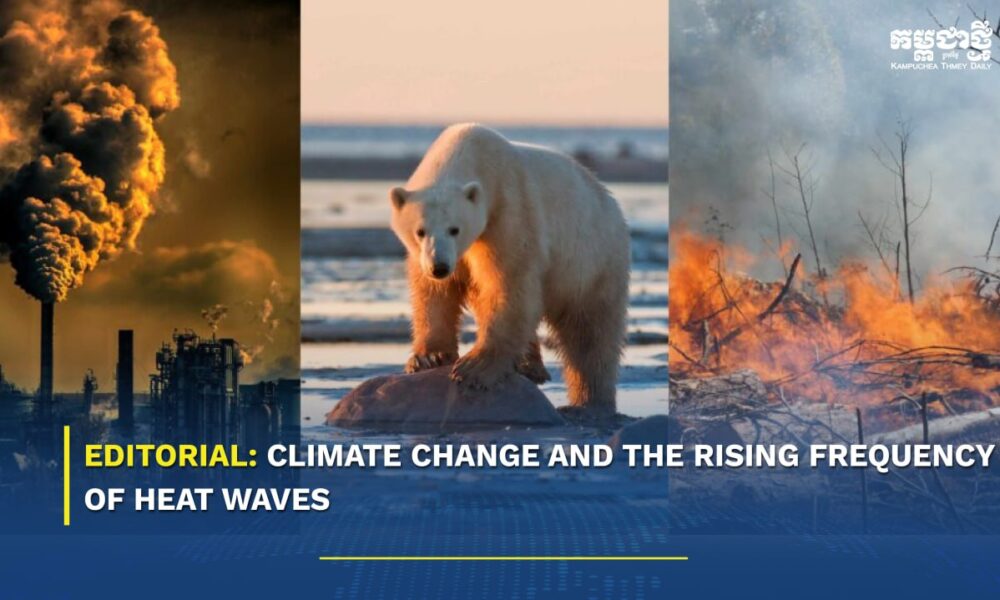
Editorial: Climate Change and the Rising Frequency of Heat Waves
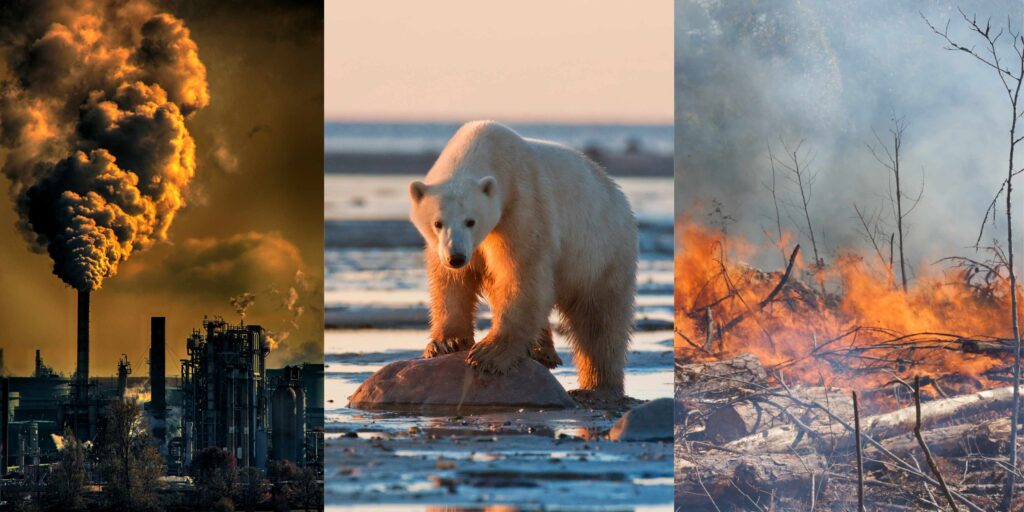
PHNOM PENH, May 25, 2026 (KPT)- Climate change is making heat waves more frequent, intense, and prolonged across the globe. From Asia and Europe to Africa and North America, record-breaking temperatures are becoming increasingly common, affecting human health, economies, agriculture, and ecosystems.
The primary cause is the rise of greenhouse gas emissions from human activities such as burning fossil fuels, deforestation, industrial pollution, and unsustainable development.
These emissions trap heat in the atmosphere, raising global temperatures and increasing the likelihood of extreme heat events.
Heat waves pose serious risks to public health. High temperatures can cause dehydration, heatstroke, respiratory problems, and even death, especially among the elderly, children, and outdoor workers.
Cities are particularly vulnerable due to the “urban heat island” effect, where concrete and limited green spaces trap heat.
The impacts extend beyond health. Extreme heat reduces agricultural productivity, increases water shortages, raises electricity demand, and intensifies wildfires. Heat waves also weaken labor productivity and place heavy pressure on healthcare and energy systems.
Scientists warn that without significant climate action, heat waves will continue to worsen in both frequency and severity. Developing countries are among the most vulnerable due to limited infrastructure and resources for adaptation.
Mitigation therefore remains essential. Reducing greenhouse gas emissions through renewable energy, sustainable transportation, forest protection, cleaner industries, and improved urban planning can help slow global warming.
Expanding green spaces, planting trees, and improving heat-resilient infrastructure are also important measures to protect communities.
The rising frequency of heat waves is a clear warning that climate change is no longer a future threat. It is already affecting daily life around the world.
The choices humanity makes today will determine whether future generations inherit a planet of escalating heat and instability or one of resilience and sustainability.





-

 National1 month ago
Cambodia Expands Free ID Services While Introducing Clear Fee Structure for Administrative Documents
-

 National3 weeks ago
Cambodia proposes trilateral anti‑crime liaison mechanism with Laos, Vietnam
-

 National2 weeks ago
PM Hun Manet to visit China as trade surges and investment deepens
-

 National2 weeks ago
Cambodia says four soldiers injured in border blast, investigation launched
-

 National1 month ago
Samdech Techo Hun Sen Says Cambodia Can Meet Defence Needs Through Domestic Production
-

 National2 weeks ago
Cambodia opens new distribution hub to expand market access for local businesses
-
 Opinion2 months ago
From Connectivity to Resilience: How Japan’s Strategic Shift Could Transform Cambodia’s Next Development Phase
-

 Economy2 months ago
Cambodia Welcomes 1 Million Tourists in Q1, But Arrivals Fall Sharply Amid Regional Pressures