National
Analysts Say UN Conciliation Move Marks Shift in Cambodia–Thailand Maritime Dispute
PHNOM PENH, June 3, 2026 (KPT) — Analysts say Cambodia’s decision to invoke compulsory conciliation under the United Nations Convention on the Law of the Sea (UNCLOS) marks a significant shift in how Phnom Penh is handling its maritime dispute with Thailand.
Prime Minister Samdech Thipadei Hun Manet confirmed Tuesday that Cambodia had formally initiated proceedings, describing the move as a step to safeguard sovereignty and maritime rights in line with international law.
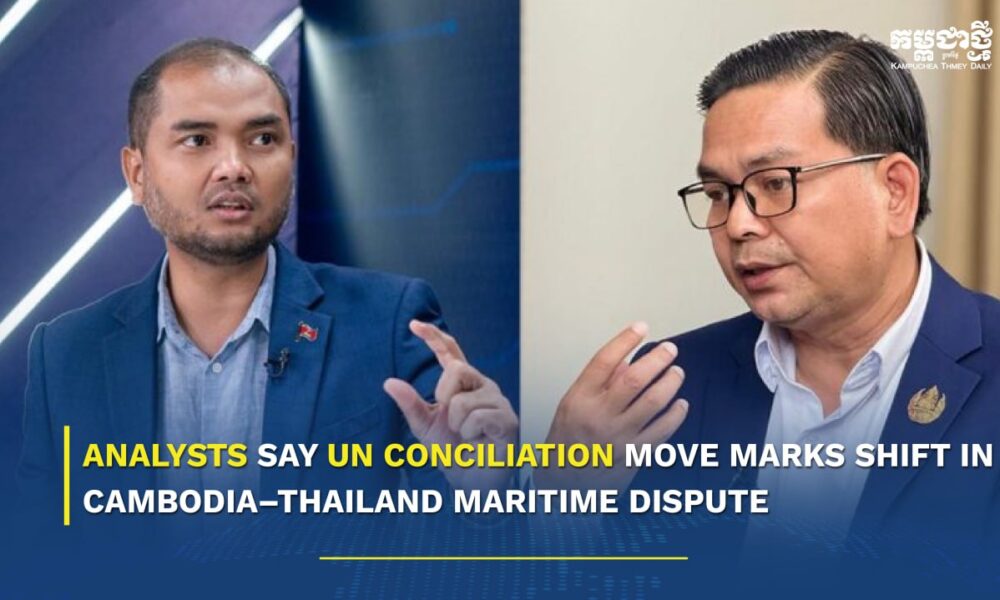
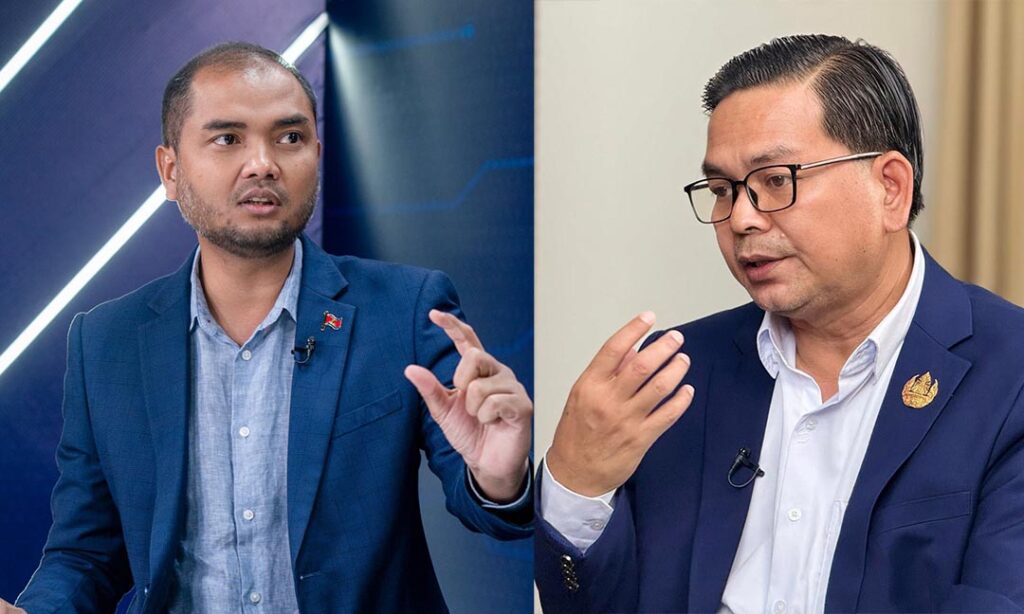
Political analyst Kin Phea called the decision a turning point in Cambodia’s approach to sovereignty and boundary issues, noting it reflected a consolidated national position across state institutions and the public in favour of peaceful, legal resolution.
He said the move followed Thailand’s withdrawal from the 2001 memorandum on overlapping claims, which had long served as the main bilateral framework.
Phea said Cambodia’s decision effectively shifted the dispute from bilateral talks into an international legal process overseen by independent experts, reducing reliance on mechanisms he described as increasingly difficult to sustain.
Geopolitics expert GNEL Rattha characterised the invocation of compulsory conciliation under Annex V of UNCLOS as a “strategic diplomatic adjustment” that places the dispute within a rules‑based framework.
He said the mechanism reduces scope for unilateral manoeuvring and requires both sides to engage with legal and technical assessments rather than political bargaining.
Rattha noted the process can proceed even if one party is reluctant, with a conciliation commission empowered to hold hearings and issue recommendations.
While not legally binding, he said such findings carry weight within the UN system and can shape future negotiations.
Government spokesman Pen Bona said the move has received broad support from state institutions and the public, who view it as a lawful and peaceful means of addressing overlapping claims.

-
 National1 month ago
Cambodia Expands Free ID Services While Introducing Clear Fee Structure for Administrative Documents
-
 National3 weeks ago
Cambodia proposes trilateral anti‑crime liaison mechanism with Laos, Vietnam
-
 National2 weeks ago
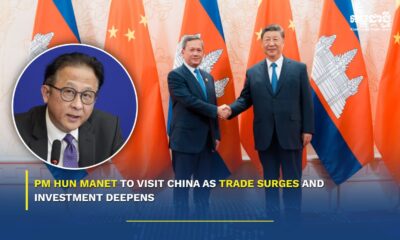
PM Hun Manet to visit China as trade surges and investment deepens
-

 National2 weeks ago
Cambodia says four soldiers injured in border blast, investigation launched
-
 National1 month ago
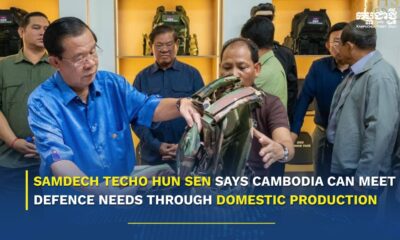
Samdech Techo Hun Sen Says Cambodia Can Meet Defence Needs Through Domestic Production
-

 National2 weeks ago
Cambodia opens new distribution hub to expand market access for local businesses
-
 Opinion2 months ago
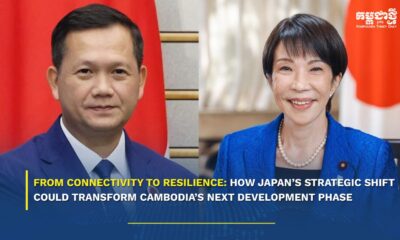
From Connectivity to Resilience: How Japan’s Strategic Shift Could Transform Cambodia’s Next Development Phase
-
 Economy2 months ago
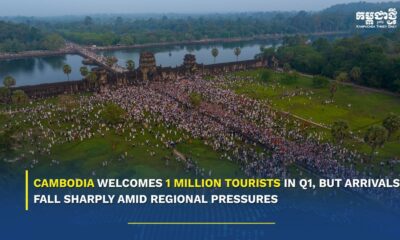
Cambodia Welcomes 1 Million Tourists in Q1, But Arrivals Fall Sharply Amid Regional Pressures