National
Analysts: Cambodia–Thailand UNCLOS Move Seen as Step Toward Structured Maritime Settlement
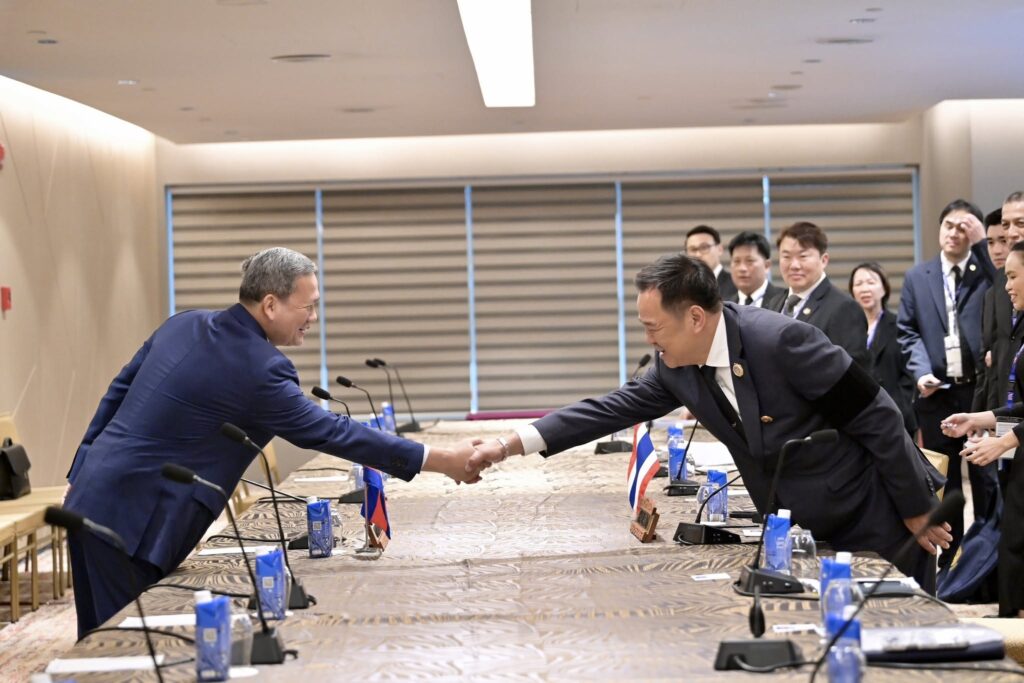
PHNOM PENH, June 23, 2026 (KPT) — Cambodian analysts have described the decision by Cambodia and Thailand to proceed with compulsory conciliation under the UN Convention on the Law of the Sea (UNCLOS) as a significant step toward a structured legal and diplomatic process in resolving their maritime boundary dispute.
Thong Mengdavid, lecturer at the Royal University of Phnom Penh, said the move signals a transition away from prolonged bilateral deadlock and reduces the risk of escalation into political or military tensions.
He noted that resolving the dispute under the UNCLOS framework could also help both countries address wider issues such as fisheries management, energy resources and other sensitive maritime concerns through peaceful dialogue.
Mengdavid expressed confidence in Cambodia’s appointed experts — Peter Taksøe‑Jensen of Denmark and Jean‑Marc Thouvenin of France — describing their selection as enhancing Cambodia’s legal credibility and technical capacity.
Both bring extensive experience in maritime conciliation and boundary dispute resolution, which he said would strengthen Cambodia’s position in the process.
Geopolitical analyst Gnel Rattha said the agreement to proceed under UNCLOS Annex V represents a strategically important step for both countries.
After years of limited progress in bilateral talks, he said the initiation of compulsory conciliation brings both sides back to a time‑bound international legal process.
Rattha added the mechanism reduces reliance on asymmetrical economic or geopolitical influence and provides a more balanced framework for negotiations.
He said the process could pave the way for outcomes such as a Joint Development Area or a clearer maritime boundary, which would be crucial for potential oil and gas exploration in the overlapping claims area of the Gulf of Thailand.
Rattha highlighted the significance of Cambodia’s conciliators, citing Taksøe‑Jensen’s role in the Timor‑Leste–Australia conciliation and Thouvenin’s academic and litigation background, which he said would strengthen Cambodia’s technical and legal arguments.
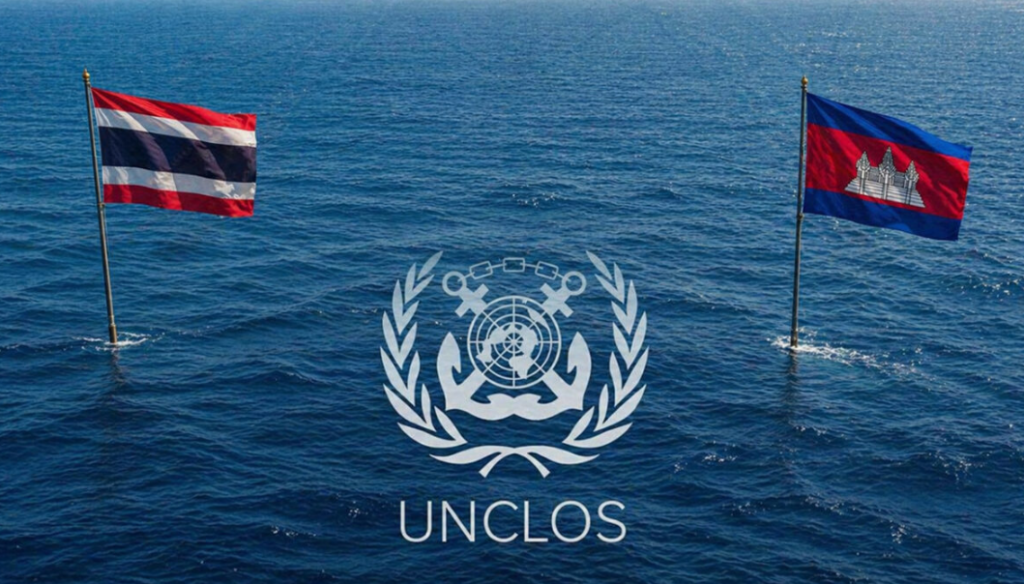
Thailand formally agreed on June 19 to take part in the UN‑backed process following Cambodia’s June 2 notification. Cambodia announced on June 1 that it had requested compulsory conciliation under UNCLOS, citing the need to protect its sovereign maritime rights.
The dispute concerns overlapping claims in the Gulf of Thailand, an area believed to contain significant oil and gas reserves.
Cambodia has appointed Taksøe‑Jensen and Thouvenin as conciliators, while Thailand named Deputy Prime Minister and Foreign Minister Sihasak Phuangketkeow as agent, Ambassador Songchai Chaipatiyut as deputy agent, and Judges Albert J. Hoffmann of South Africa and Rüdiger Wolfrum of Germany as conciliators.
Both sides must jointly select a fifth member within 30 days to chair the Conciliation Commission.

-
 National1 month ago
Cambodia Expands Free ID Services While Introducing Clear Fee Structure for Administrative Documents
-
 National3 weeks ago
Cambodia proposes trilateral anti‑crime liaison mechanism with Laos, Vietnam
-
 National2 weeks ago
PM Hun Manet to visit China as trade surges and investment deepens
-

 National2 weeks ago
Cambodia says four soldiers injured in border blast, investigation launched
-
 National1 month ago
Samdech Techo Hun Sen Says Cambodia Can Meet Defence Needs Through Domestic Production
-

 National2 weeks ago
Cambodia opens new distribution hub to expand market access for local businesses
-
 Opinion2 months ago
From Connectivity to Resilience: How Japan’s Strategic Shift Could Transform Cambodia’s Next Development Phase
-
 Economy2 months ago
Cambodia Welcomes 1 Million Tourists in Q1, But Arrivals Fall Sharply Amid Regional Pressures