Opinion
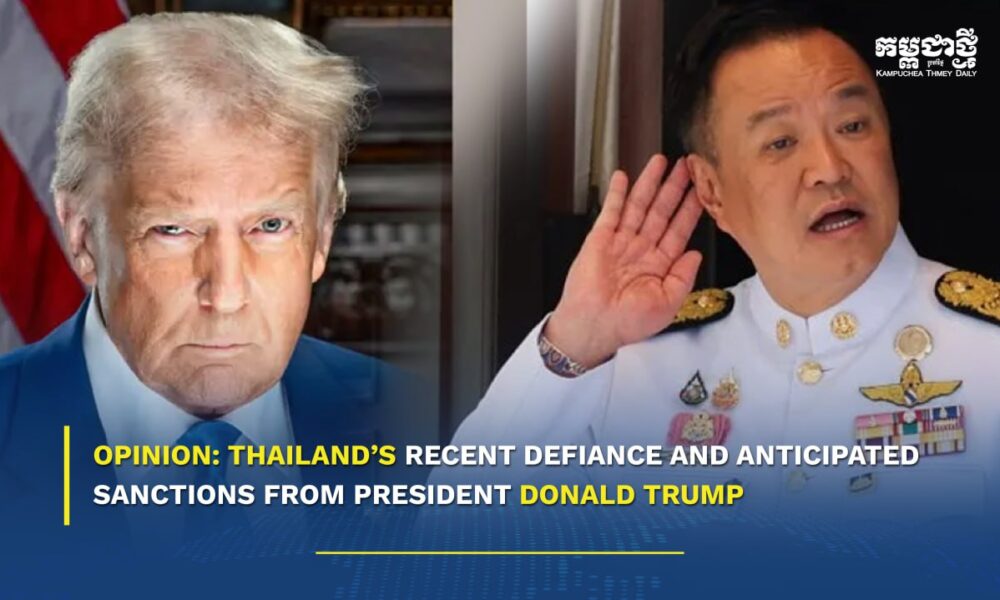
Opinion: Thailand’s Recent Defiance and Anticipated Sanctions from President Donald Trump
(Dec. 15, 2025) — In response to Thailand’s recent defiance of international calls for a ceasefire amid escalating border tensions, President Donald Trump is anticipated to impose sanctions.
The potential move reflects a broader strategy to hold nations accountable for actions that disrupt regional stability and violate international agreements.
The conflict in the region has intensified, with Thailand continuing military operations despite calls for restraint. This stance not only exacerbates humanitarian concerns but also undermines diplomatic efforts aimed at fostering peace and stability. The refusal to adhere to ceasefire agreements is a clear signal of Thailand’s disregard for international norms, prompting a reaction from global powers, particularly the United States.
Trump’s consideration of sanctions serves as a direct response to this defiance. By potentially imposing economic measures, the administration aims to pressure the Thai government to reevaluate its military actions and engage in constructive dialogue. The sanctions are intended to create leverage, emphasizing that there are consequences for ignoring international calls for peace.
Imposing sanctions on Thailand could have significant ramifications for both the nation and the broader Southeast Asian region. On one hand, it could signal to Thailand that continued military aggression will not be tolerated. On the other, such actions may strain U.S.–Thailand relations and complicate diplomatic efforts in the region.
The anticipated sanctions highlight the delicate balance between applying economic pressure and fostering diplomacy. Analysts say the United States must pursue a comprehensive strategy that includes sanctions while simultaneously promoting dialogue and negotiation to address the root causes of the conflict. Engaging with regional allies and the international community will be essential in creating a unified approach to restoring peace.
In summary, Thailand’s recent defiance of ceasefire calls has triggered anticipation of sanctions from President Trump. This potential course of action underscores a commitment to uphold international norms and promote peace in the region. The effectiveness of these sanctions will ultimately depend on their execution and the accompanying diplomatic efforts aimed at resolving the underlying issues driving the conflict.









-
 National1 month ago
Cambodia Expands Free ID Services While Introducing Clear Fee Structure for Administrative Documents
-
 National3 weeks ago
Cambodia proposes trilateral anti‑crime liaison mechanism with Laos, Vietnam
-
 National2 weeks ago
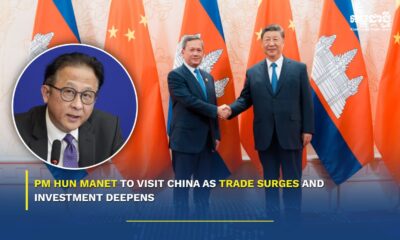
PM Hun Manet to visit China as trade surges and investment deepens
-

 National2 weeks ago
Cambodia says four soldiers injured in border blast, investigation launched
-
 National1 month ago
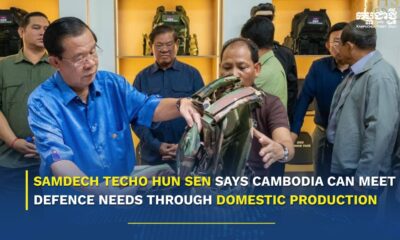
Samdech Techo Hun Sen Says Cambodia Can Meet Defence Needs Through Domestic Production
-

 National2 weeks ago
Cambodia opens new distribution hub to expand market access for local businesses
-
 Opinion2 months ago
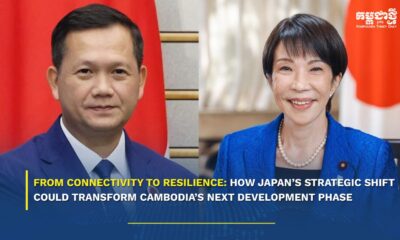
From Connectivity to Resilience: How Japan’s Strategic Shift Could Transform Cambodia’s Next Development Phase
-

 Economy2 months ago
Cambodia Welcomes 1 Million Tourists in Q1, But Arrivals Fall Sharply Amid Regional Pressures