Uncategorized
Cambodia Eyes Export Expansion as U.S. Tariff Cut Signals Global Supply Chain Shift
PHNOM PENH, Cambodia — The U.S. decision to lower tariffs on Cambodian exports from 36% to 19% marks a significant shift in trade policy and global supply chain dynamics, according to Chea Kok Hong, Secretariat Director of the Cambodia Coastal Master Plan under the Ministry of Economy and Finance.
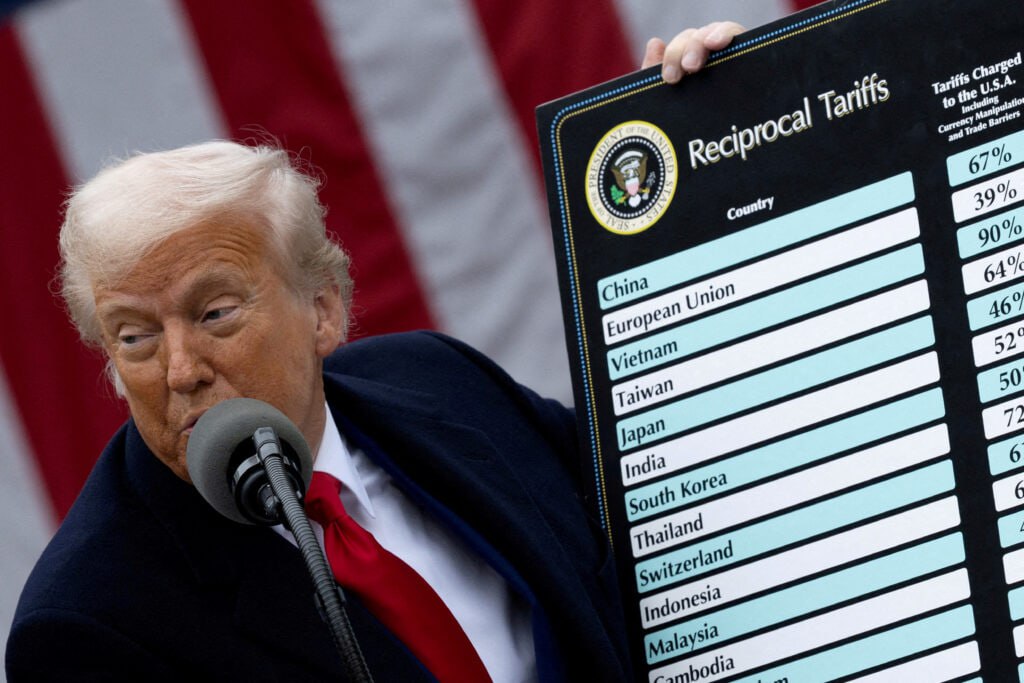
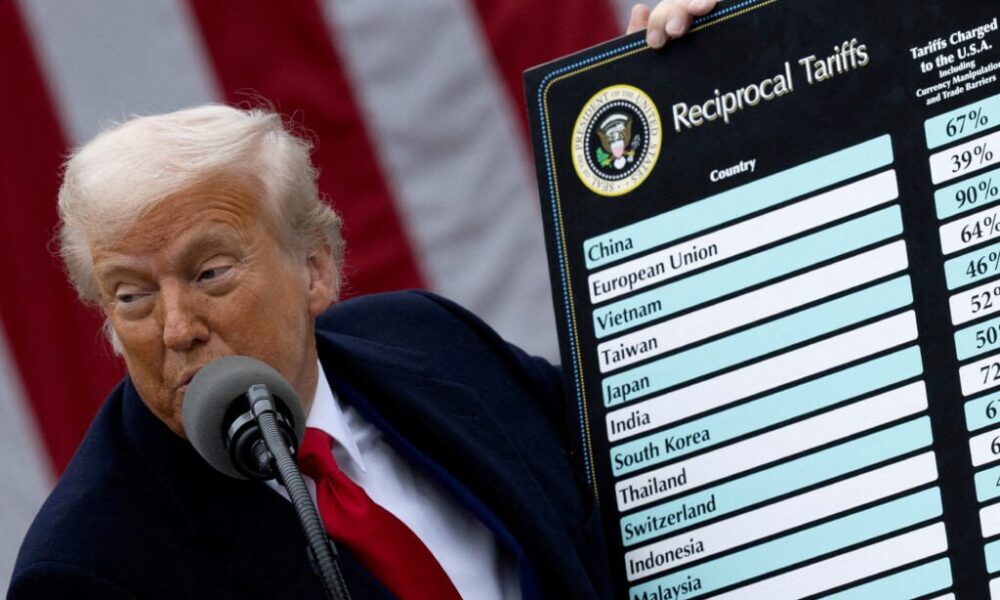
On August 1, U.S. President Donald Trump approved a reduction in tariffs on Cambodian exports, lowering the rate from 36% to 19%. The move was part of a broader recalibration of U.S. trade policy aimed at diversifying supply chains and strengthening economic ties with emerging markets. While the 19% tariff still presents a barrier, it places Cambodia on a more level playing field with regional competitors and opens new opportunities for export growth.

Mr.Chea Kok Hong, Secretariat Director of the Cambodia Coastal Master Plan
Although the revised rate remains a hurdle, Chea said it aligns Cambodia with regional peers and reinforces its cost advantage in labor-intensive industries. Combined with preferential access to markets such as the European Union, China, and RCEP partners, Cambodia is positioning itself as a cost-effective base for export-oriented manufacturing.
“This opportunity comes at a pivotal moment in Cambodia’s economic evolution,” Chea said in a statement Wednesday. “Global manufacturers are recalibrating operations for stability and proximity to end markets, and Cambodia is emerging as a credible alternative.”
To capitalize on this momentum, the government is advancing the Integrated Industrial Initiative (III), a strategic program aimed at strengthening supply chain integration and upgrading industrial capacity. The initiative targets high-potential sectors including electronics, automotive parts, and light industrial goods, he stressed.

Key components of the III include structuring upstream and midstream supply chains for Rules of Origin (RoO) compliance; mapping materials and HS codes with high transformation potential; and fast-tracking approvals for exporters in priority sectors through one-stop services.
The program is coordinated with special economic zone operators under Deputy Prime Minister Sun Chanthol and aims to build compliant, export-ready ecosystems.
Over the next five years, Cambodia expects a shift in its export profile toward electric motors, PCB assemblies, wire harnesses, and agro-processed goods for the Chinese market. Officials say the transformation will be phased and anchored by long-term investment partnerships.
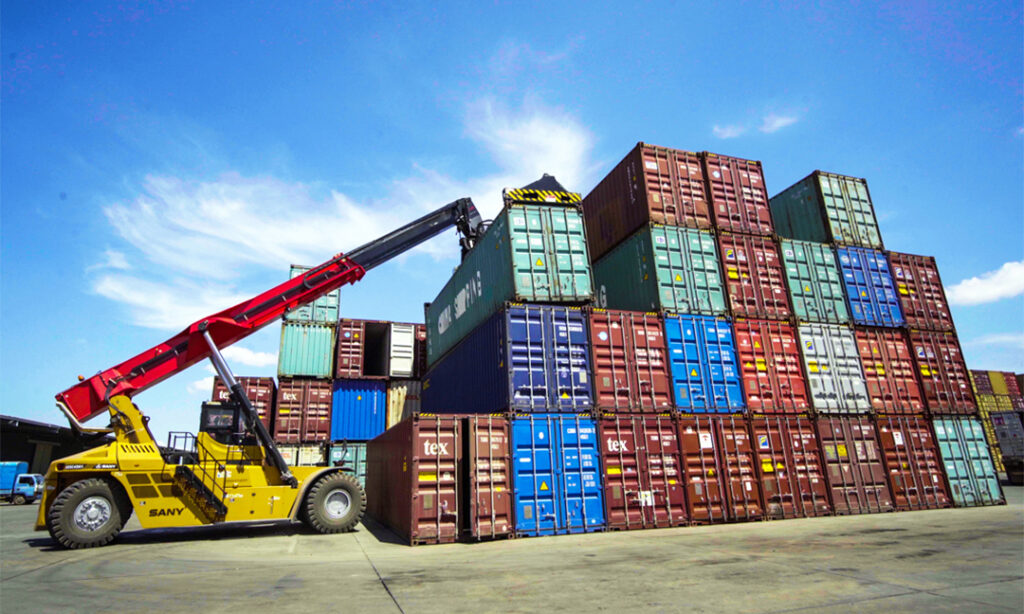
Cambodia’s exports to the United States totaled approximately $6.92 billion between January and July 2025, reflecting a year-on-year surge of more than 25% compared to $5.51 billion during the same period in 2024, according to a report released Monday by the General Department of Customs and Excise (GDCE).
The report also noted that imports from the United States reached around $201 million in the first seven months of 2025, up more than 30% from roughly $154 million recorded during the corresponding period last year.
Key Cambodian exports to the U.S. include apparel, travel goods such as luggage and handbags, bicycles, fashion accessories, and a range of consumer merchandise.

-

 National1 month ago
Cambodia Expands Free ID Services While Introducing Clear Fee Structure for Administrative Documents
-

 National3 weeks ago
Cambodia proposes trilateral anti‑crime liaison mechanism with Laos, Vietnam
-
 National2 weeks ago
PM Hun Manet to visit China as trade surges and investment deepens
-

 National2 weeks ago
Cambodia says four soldiers injured in border blast, investigation launched
-

 National1 month ago
Samdech Techo Hun Sen Says Cambodia Can Meet Defence Needs Through Domestic Production
-

 National2 weeks ago
Cambodia opens new distribution hub to expand market access for local businesses
-

 Opinion2 months ago
From Connectivity to Resilience: How Japan’s Strategic Shift Could Transform Cambodia’s Next Development Phase
-

 Economy2 months ago
Cambodia Welcomes 1 Million Tourists in Q1, But Arrivals Fall Sharply Amid Regional Pressures