National
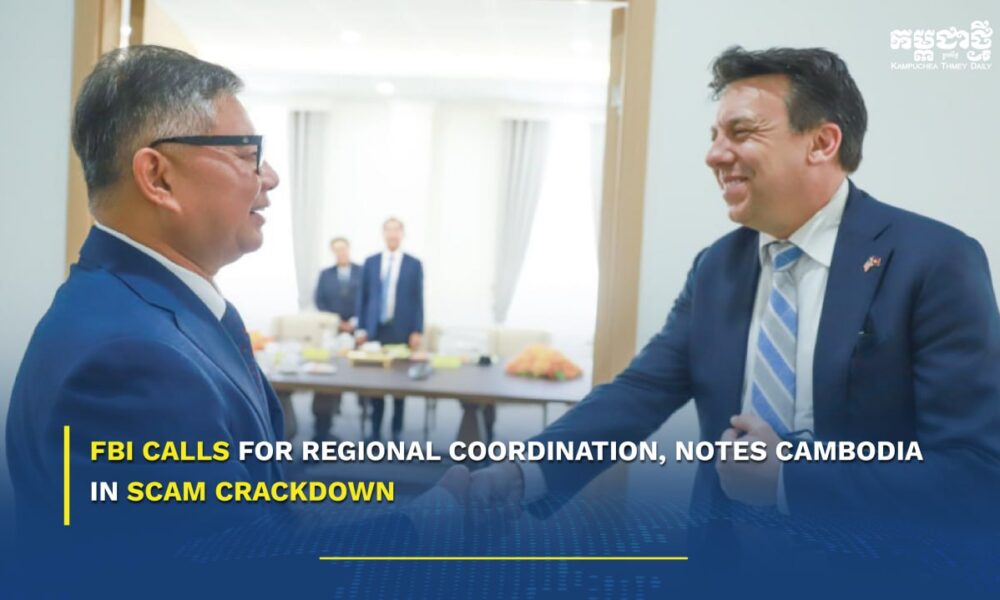
FBI Calls for Regional Coordination, Notes Cambodia in Scam Crackdown
PHNOM PENH, Feb 25, 2026 (KPT) — The U.S. Federal Bureau of Investigation has underscored the need for cross-border cooperation to dismantle organized crime networks, warning that online scam operations in Southeast Asia are a regional challenge that transcend national boundaries.
Speaking at a virtual press briefing on Feb 23 after visits to Thailand, Cambodia and Vietnam, Scott Schelble, Deputy Assistant Director of the FBI’s International Operations Division, said scam compounds “are not unique to Thailand, not unique to Cambodia, not unique to Vietnam or Malaysia.” He stressed that criminal groups exploit legal and jurisdictional gaps, requiring law enforcement agencies to respond with coordinated global action.
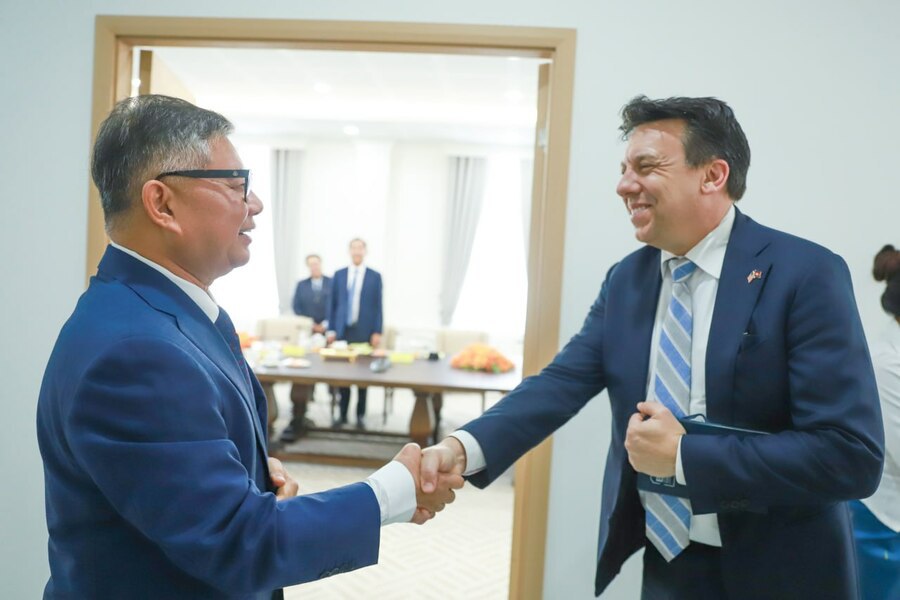
Schelble pointed to past cooperation with Cambodian police in joint task force operations, saying the FBI hopes to build on those efforts to tackle ongoing scam networks. “If these syndicates exploit borders, then we must be in a position to address that with a global and coordinated response,” he said.
His remarks came as tensions flared along the Cambodia–Thailand border. Earlier this month, Thai military intelligence officials escorted foreign military attachés to O Smach district in Oddar Meanchey province — an area Phnom Penh says has been under unlawful Thai occupation since clashes in December 2025. Thai officials reportedly described certain locations as linked to scam activities.
Cambodian analysts rejected that narrative. Political scientist Kin Phea said the move was an attempt to legitimize Thai military activities without mutual consent, arguing it infringed on Cambodia’s sovereignty and international legal norms.
Analyst Yang Peou criticized the introduction of foreign observers into disputed territory, noting Cambodia has already been cooperating with international partners to combat cybercrime.
Schelble reiterated that partnership and coordination remain essential, stressing that no single country can address the problem alone.







-
 National1 month ago
Cambodia Expands Free ID Services While Introducing Clear Fee Structure for Administrative Documents
-
 National3 weeks ago
Cambodia proposes trilateral anti‑crime liaison mechanism with Laos, Vietnam
-

 National2 weeks ago
PM Hun Manet to visit China as trade surges and investment deepens
-

 National2 weeks ago
Cambodia says four soldiers injured in border blast, investigation launched
-

 National1 month ago
Samdech Techo Hun Sen Says Cambodia Can Meet Defence Needs Through Domestic Production
-

 National2 weeks ago
Cambodia opens new distribution hub to expand market access for local businesses
-
 Opinion2 months ago
From Connectivity to Resilience: How Japan’s Strategic Shift Could Transform Cambodia’s Next Development Phase
-

 Economy2 months ago
Cambodia Welcomes 1 Million Tourists in Q1, But Arrivals Fall Sharply Amid Regional Pressures