National
Editorial: Incinerating contaminated meat poses health and environmental trade‑offs
PHNOM PENH, Feb 18, 2026 (KPT) – When authorities seize contaminated meat or products containing unsafe chemicals, incineration remains the most common method to prevent them from entering the food market.
The practice is effective in halting the spread of disease and protecting public health in the short term. Yet for communities living near disposal sites, concerns persist over air quality, environmental safety and long‑term health risks.
Public health benefits
Burning meat at high temperatures destroys bacteria and viruses, making incineration a vital tool during food safety crises. Rapid destruction reduces the risk of human consumption and prevents pathogens from spreading to farms and markets.
Environmental and community impacts
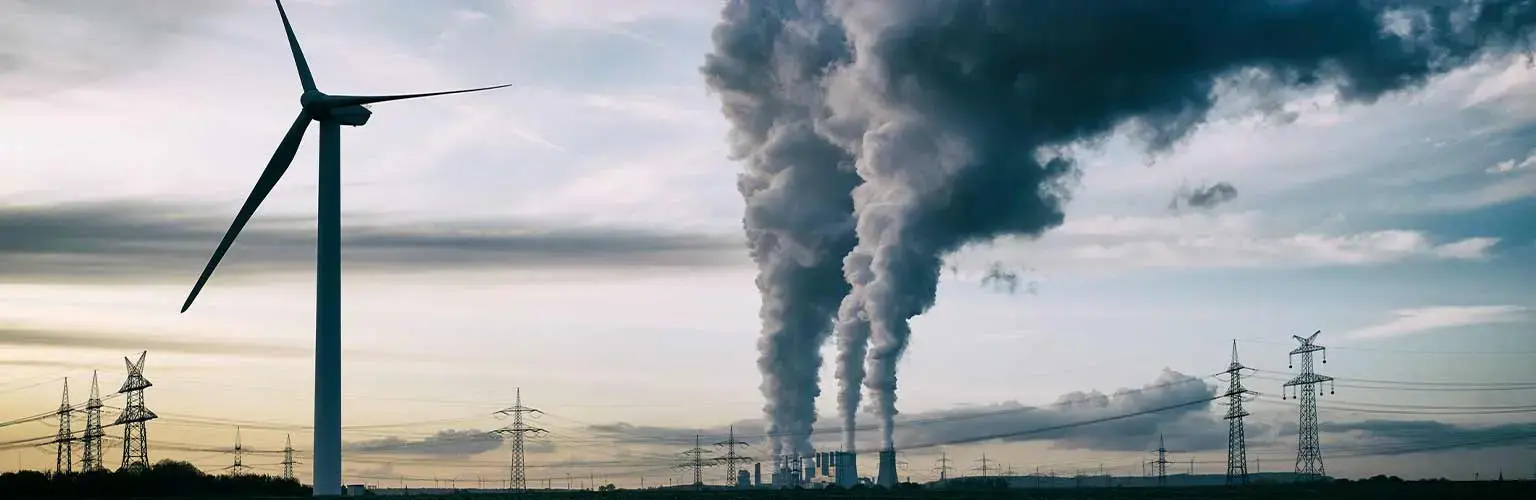
Combustion releases smoke and pollutants, including fine particulate matter and toxins such as dioxins. Open‑air burning produces far higher emissions than regulated facilities equipped with smoke‑control systems. Residents nearby often face eye and respiratory irritation, while long‑term risks depend on exposure levels and safeguards.
Solutions and recommendations
Experts stress that ash and residue must be managed carefully to avoid soil and water contamination. Wildlife and ecosystems also remain vulnerable if disposal is poorly regulated. Strict oversight, safe ash management and transparent communication with communities are considered essential.
Conclusion
Incineration offers immediate public health protection but, without rigorous controls, can create new risks for people and the environment. Balancing health priorities with environmental integrity is key to ensuring public trust in this emergency measure.











-

 National2 months ago
Cambodia Expands Free ID Services While Introducing Clear Fee Structure for Administrative Documents
-

 National3 weeks ago
Cambodia proposes trilateral anti‑crime liaison mechanism with Laos, Vietnam
-

 National2 weeks ago
PM Hun Manet to visit China as trade surges and investment deepens
-

 National2 weeks ago
Cambodia says four soldiers injured in border blast, investigation launched
-

 National1 month ago
Samdech Techo Hun Sen Says Cambodia Can Meet Defence Needs Through Domestic Production
-

 National2 weeks ago
Cambodia opens new distribution hub to expand market access for local businesses
-
 Opinion2 months ago
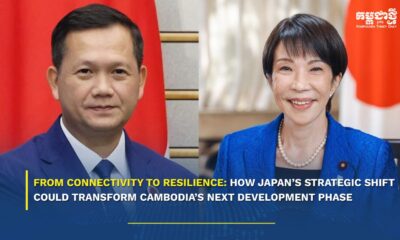
From Connectivity to Resilience: How Japan’s Strategic Shift Could Transform Cambodia’s Next Development Phase
-

 Economy2 months ago
Cambodia Welcomes 1 Million Tourists in Q1, But Arrivals Fall Sharply Amid Regional Pressures