National
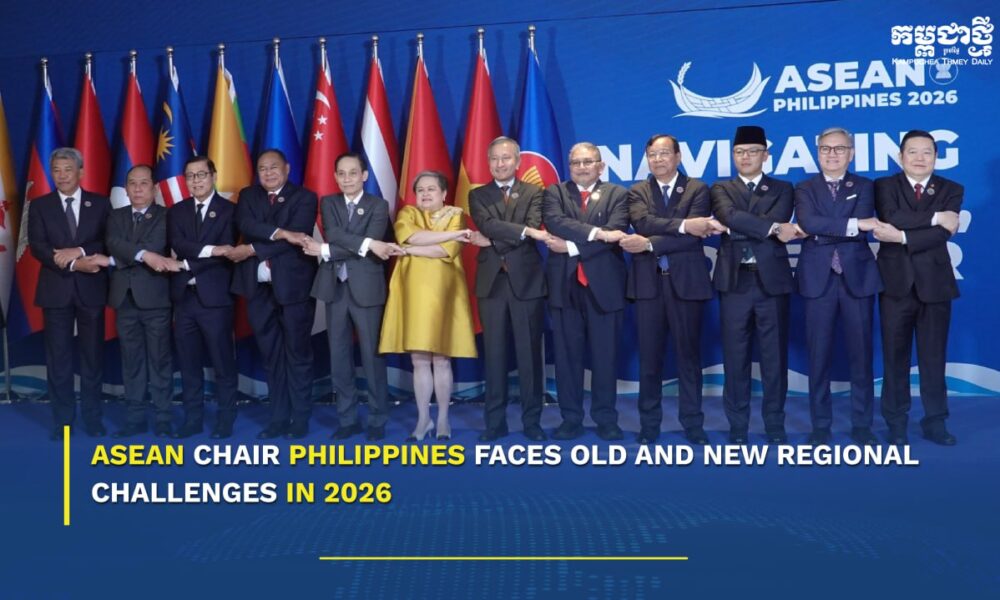
ASEAN Chair Philippines Faces Old and New Regional Challenges in 2026
PHNOM PENH, Jan 29, 2026 (KPT) — As the Philippines assumes the rotating chairmanship of the Association of Southeast Asian Nations (ASEAN) in 2026, it inherits a region weighed down by both longstanding disputes and newly emerging crises.
From the unresolved South China Sea conflict to Myanmar’s protracted political turmoil and renewed tensions along the Cambodia–Thailand border, Manila’s leadership comes at a critical moment for ASEAN unity, credibility and relevance.
While ASEAN has long positioned itself as a platform for dialogue rather than adjudication, expectations remain high for the chair to shape the agenda, steer diplomatic engagement and prevent regional instability from deepening.
A Heavy Agenda for the New ASEAN Chair
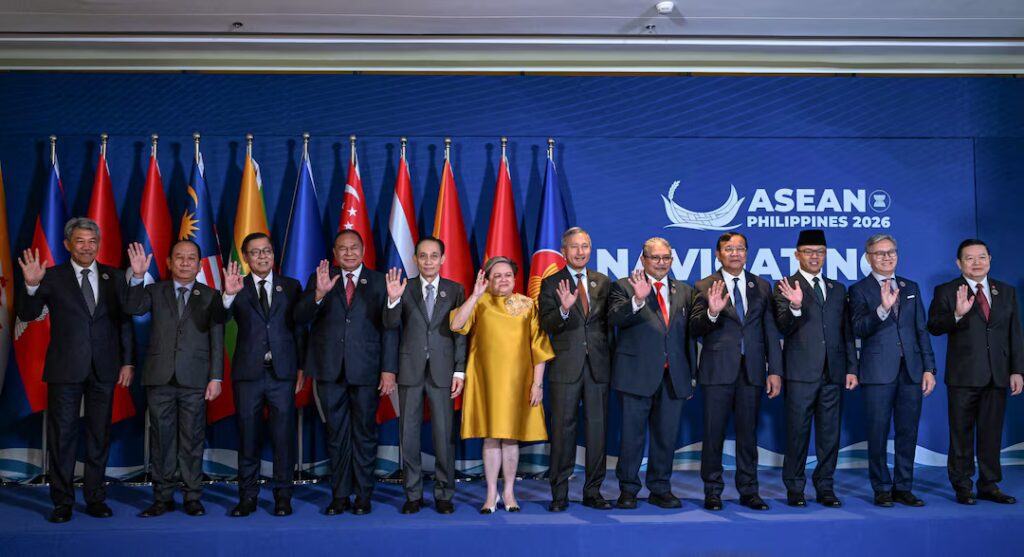
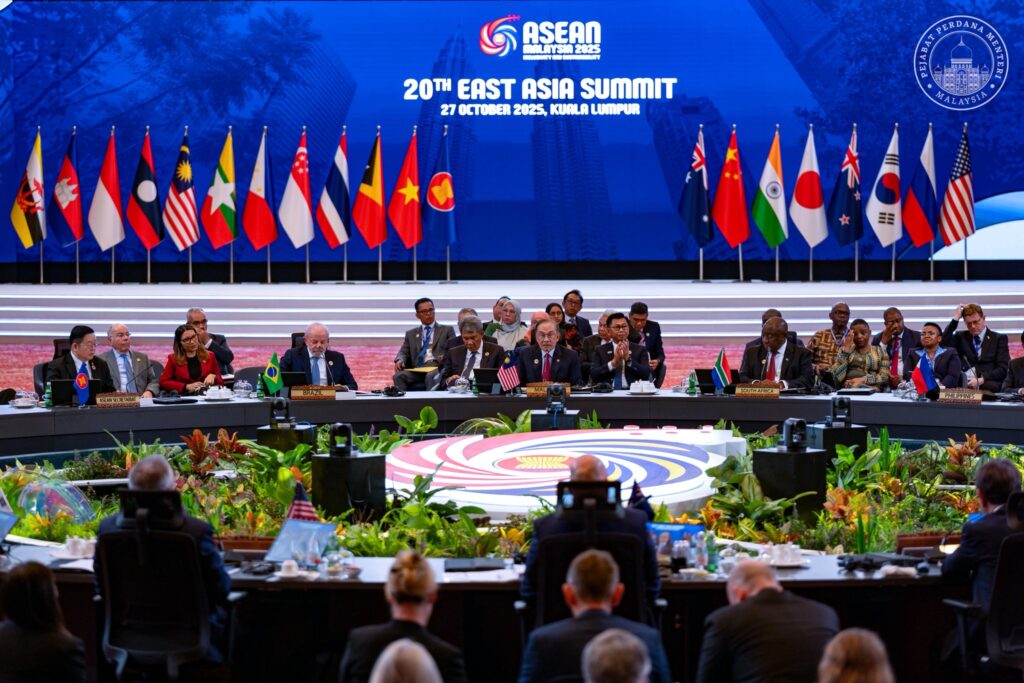
The Philippines officially took over the ASEAN chairmanship from Malaysia this year, with major regional issues immediately placed on the agenda during the ASEAN Foreign Ministers’ Retreat held in Cebu City from January 28–29.
Hosted by Philippine Foreign Secretary Ma. Theresa P. Lazaro under the theme “Navigating Our Future, Together,” the retreat reviewed progress since the ASEAN Summit in Malaysia last October and set priorities for the year ahead.
Among the key concerns discussed were escalating tensions in the South China Sea, Myanmar’s ongoing civil war, and the Cambodia–Thailand border dispute — each testing ASEAN’s capacity to manage conflict amid competing national interests and great-power rivalry.
Cambodia–Thailand Border Dispute: ASEAN as Mediator, Not Judge
Regarding the Cambodia–Thailand border issue, Cambodian political analyst Yang Peou emphasized that ASEAN should not be viewed as a judicial body capable of issuing verdicts or assigning blame. Instead, he argued, the ASEAN chair has a crucial role to play as mediator.
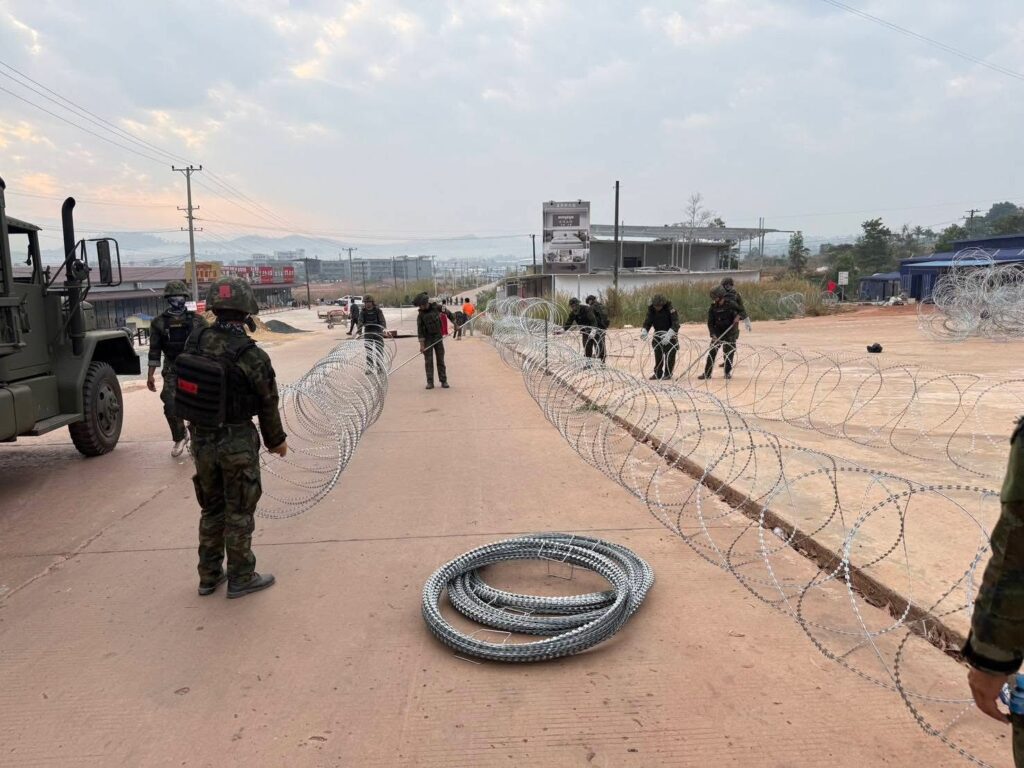
“ASEAN isn’t the court which can solve or release its verdict or stress who is wrong or right, but the ASEAN chair can play a role as the mediator,” Peou said.
He expressed hope that the Philippines would take a more proactive approach by establishing a new dialogue framework on the dispute, one that could allow third parties such as the United States, China or other neutral actors to participate in confidence-building discussions.
Peou further urged Manila to strengthen the role of the ASEAN Observation Team (AOT) by ensuring continuous field observation, proper verification mechanisms and a credible process for reporting findings.
“We hope the Philippines will continue its crucial role as Malaysia did last year,” he added. “Even if ASEAN isn’t a court, it cannot let this issue drag on and become more cruel by sitting idly by. This demonstrates ASEAN unity and solidarity.”
South China Sea: Limited Power, Strategic Influence
The South China Sea dispute remains one of ASEAN’s most sensitive and enduring challenges. Thong Mengdavid, a lecturer at the Royal University of Phnom Penh, noted that while the Philippines’ formal power as ASEAN chair is limited, its influence should not be underestimated.
“As ASEAN Chair, the Philippines could shape the process, tone and agenda, framing discussions around international law and insisting on transparency and timelines, even if a legally binding Code of Conduct remains unlikely in the near term,” Mengdavid said.
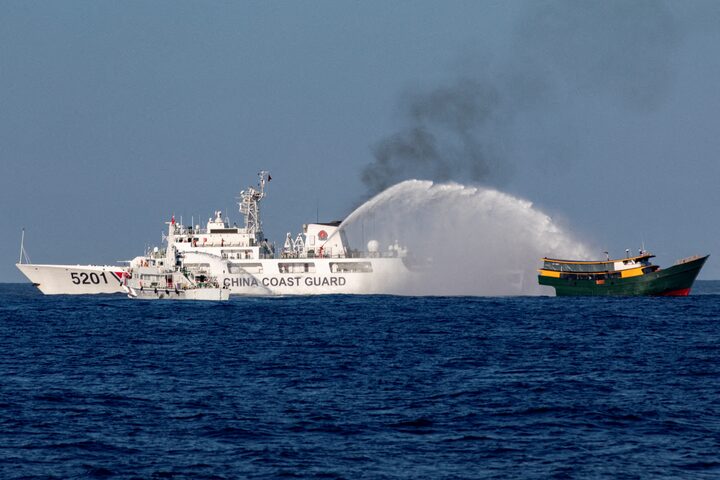
He suggested that Manila could encourage ASEAN Member States to establish crisis-management tools such as hotlines, joint incident-prevention mechanisms and practical cooperation initiatives. Areas like marine environmental protection and fisheries management could help reduce tensions without directly engaging sovereignty claims.
Mengdavid also pointed out that the Philippines holds moral and legal credibility due to its past arbitration victory and possesses strategic leverage in balancing U.S.–China competition — an issue that remains highly sensitive for ASEAN members.
“At this stage, ASEAN should focus on preventing fragmentation and building more sustainable, long-term conflict-resolution mechanisms to ensure strong unity and credibility,” he added.
Myanmar Crisis: Limits of External Pressure
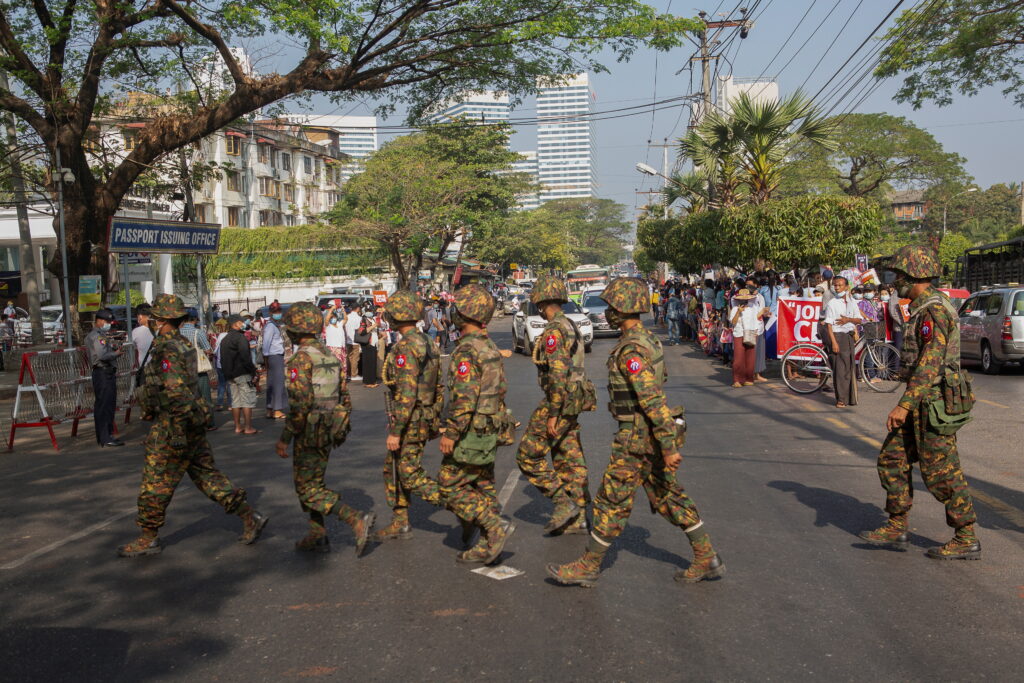
Myanmar’s crisis presents perhaps the most complex challenge for the Philippine chairmanship. Cambodian political scientist Kin Phea described the situation as deeply rooted in Myanmar’s internal history, culture, ethnic divisions and political structure.
“It is not certain that the crisis can be solved through the ASEAN framework alone,” Phea said. “It depends on the will of Myanmar’s leaders themselves. Myanmar must put national interest and peace first.”
According to Phea, pressure from abroad — whether from Malaysia, the Philippines or any other ASEAN chair — cannot by itself produce meaningful results. Sustainable progress, he argued, must originate from within Myanmar.
Five-Point Consensus Still Central
During the Cebu meetings, ASEAN foreign ministers reaffirmed their commitment to the Five-Point Consensus (5PC) as the main framework for addressing Myanmar’s crisis.
The retreat welcomed the appointment of Philippine Foreign Secretary Ma. Theresa P. Lazaro as the Special Envoy of the ASEAN Chair on Myanmar for 2026 and pledged full support for her mandate.
Cambodian Deputy Prime Minister and Foreign Minister Prak Sokhonn reiterated that the 5PC remains ASEAN’s primary reference in assisting Myanmar’s return to normalcy through a Myanmar-led and Myanmar-owned political process.
He emphasized the need for a timely reassessment of the 5PC to ensure its continued relevance and effectiveness, calling for practical adjustments that reflect realities on the ground.
Sokhonn also stressed that a credible and inclusive electoral process, supported by the people of Myanmar, is a key pathway toward long-term stability.
Balancing Expectations and Reality
As ASEAN Chair, the Philippines faces the delicate task of managing high expectations with limited institutional authority.
While it cannot impose solutions, Manila can influence outcomes by shaping dialogue, strengthening mediation mechanisms and reinforcing ASEAN’s collective voice amid intensifying geopolitical competition.
Whether through mediating border tensions, lowering maritime risks or sustaining engagement on Myanmar, the Philippine chairmanship in 2026 will serve as a critical test of ASEAN’s ability to remain united, relevant and proactive in navigating an increasingly complex regional landscape.
By: Minea Son


-
 National2 months ago
Cambodia Expands Free ID Services While Introducing Clear Fee Structure for Administrative Documents
-
 National3 weeks ago
Cambodia proposes trilateral anti‑crime liaison mechanism with Laos, Vietnam
-
 National2 weeks ago
PM Hun Manet to visit China as trade surges and investment deepens
-

 National2 weeks ago
Cambodia says four soldiers injured in border blast, investigation launched
-

 National1 month ago
Samdech Techo Hun Sen Says Cambodia Can Meet Defence Needs Through Domestic Production
-

 National2 weeks ago
Cambodia opens new distribution hub to expand market access for local businesses
-
 Opinion2 months ago
From Connectivity to Resilience: How Japan’s Strategic Shift Could Transform Cambodia’s Next Development Phase
-

 Economy2 months ago
Cambodia Welcomes 1 Million Tourists in Q1, But Arrivals Fall Sharply Amid Regional Pressures