Uncategorized
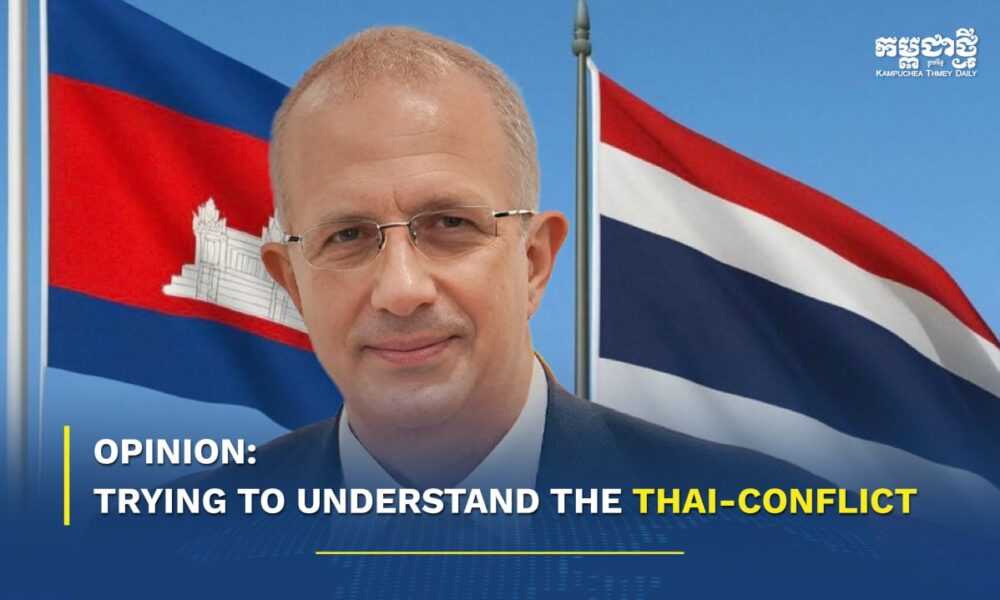
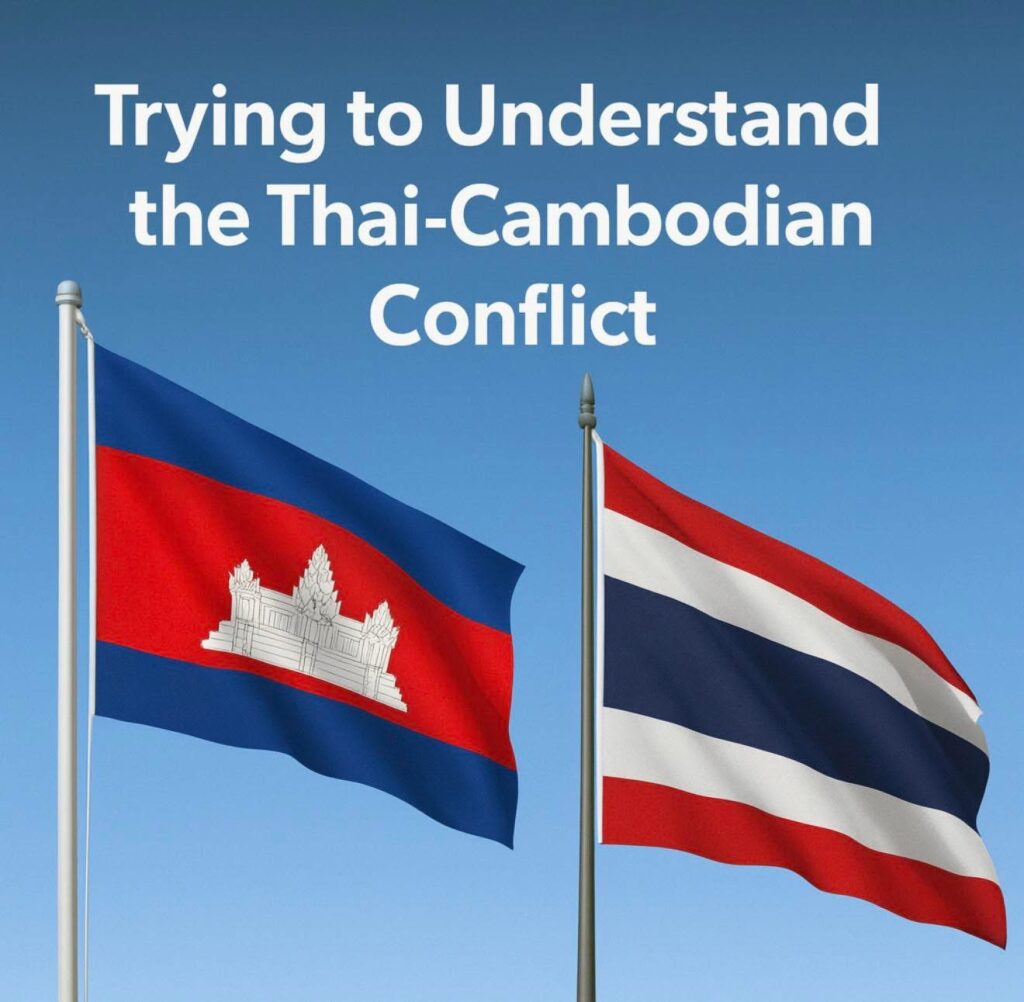
Opinion: Trying to Understand the Thai-Conflict
By: Arnaud Darc, Former President of EuroCham Cambodia
I have spent many years working, living and engaging deeply across both Thailand and Cambodia, and I hold a genuine stake in the stability and wellbeing of each. This position has taught me that I cannot approach the current crisis through a nationalist lens. It demands a clearer and more disciplined form of understanding, one that looks past sentiment and examines the incentives, institutions and structural pressures that drive events on the ground.
Once you do that, the conflict begins to look less like an accident and more like the product of a system. It reflects the interaction of political pressures in Thailand, military asymmetry, economic distortions, regional institutions and the strategic habits of both countries. Incidents trigger the headlines, but the system explains why the incidents continue.
The most important fact is the asymmetry between the two sides. Thailand possesses modern aircraft, heavy artillery, a large army and institutional structures that give the military wide freedom to act. Cambodia possesses rockets and fortified ground positions that can inflict serious damage on Thai frontier areas, but it cannot defend its own airspace or sustain a prolonged ground and air campaign. This imbalance shapes the logic of both governments. Thailand has escalation dominance. Cambodia lives with escalation risk. Any account that ignores this imbalance cannot explain the behaviour of either side.

The next layer lies inside Thailand. Prime Minister Anutin governs through a broad but fragile coalition that faces difficult floods, a slowing economy and an early election window. In such periods the Thai military traditionally expands its influence, especially on issues framed as national security. This was the case during the Preah Vihear clashes between 2008 and 2011. It is visible again today. Domestic vulnerability increases the political value of a firm security posture. The army has delegated authority along the border. Doctrine emphasises defence of sovereignty and rapid proportional response. Once casualties occur, airstrikes become both institutionally legitimate and politically useful. The process does not require conspiracy. It only requires incentives.
A reasonable question arises. If these structural pressures have existed for years, why did the conflict ignite with such intensity in 2024 and 2025. Three elements appear central. The first is timing. The floods in southern Thailand created an unusual concentration of criticism on the government precisely when the election calendar tightened. The second is local command dynamics. New leadership in the First and Second Army Areas placed strong emphasis on firm border control and sovereignty defence, which shaped the tempo of field responses. The third is accumulation. A series of landmine incidents and reciprocal accusations created political conditions in which escalation became easier to justify. The structure was not new. The pressures acting within it intensified.
Cambodia’s logic is the inverse. Faced with overwhelming Thai military superiority and aware that no external power will intervene forcefully on its behalf, Cambodia pursues a strategy of constrained deterrence. Rockets and fortified positions are used to raise the cost of Thai advances. International law and diplomacy are used to contain Thai options and build legitimacy. Cambodia turns to the International Court of Justice. It accepts ASEAN observers. It frames its behaviour as responsible and rules based. This is not a posture of weakness. It is the rational strategy of a smaller state confronting a stronger neighbour.
The internal command structure reinforces this approach. Hun Manet is head of government, but Reuters reporting confirms that Hun Sen remains central in defining escalation limits. His statements set the boundaries for Cambodian military action and prevent local misjudgments from triggering a wider conflict. The red lines he articulates are not designed for aggression. They are designed to avoid catastrophic miscalculation.
The economic dimension reveals a deeper paradox. At the national level the conflict is damaging for both sides. Thailand loses significant export revenue and economic activity in its border provinces. Cambodia experiences severe shocks in Poipet, in consumer goods supply, in fuel and in informal cross border work. Yet the conflict persists because the economic pain is uneven. Vietnamese ports and transport systems capture trade that previously moved through Thailand. Some Cambodian and Thai producers gain market share while their cross border competitors are blocked. Smuggling networks expand when formal routes close. These gains help explain why the conflict persists despite its aggregate irrationality.
The regional context adds further constraints. ASEAN is not designed to enforce peace. It operates on consensus, non interference and dialogue. These principles encourage harmony in normal times but limit the organisation’s ability to act during crises. Malaysia can mediate, but ASEAN cannot compel Thailand or Cambodia to maintain a ceasefire. The institution relies on voluntary restraint at the very moment when incentives for restraint are misaligned.
These layers produce a durable conflict system. Thai domestic pressures and military autonomy make escalation easier than de escalation. Cambodian constraints make restraint more rational than retaliation. Economic losses at the national level are real, yet some actors benefit from disruption. ASEAN cannot impose order. External powers support stability but will not enforce it. The deeper implication is that incident level negotiations struggle because they do not alter the incentive architecture beneath the incidents. A ceasefire can pause the system, but only a change in incentives can transform it.
After examining these forces, I return to a simple human conclusion. The people of Cambodia and the people of Thailand gain almost nothing from this conflict. Understanding the system will not end it, but it allows us to see clearly who benefits, who suffers, and why the rational path, which is restraint, diplomacy and stability, remains the only one capable of serving the wider public interest.

-
 National2 months ago
Cambodia Expands Free ID Services While Introducing Clear Fee Structure for Administrative Documents
-
 National3 weeks ago
Cambodia proposes trilateral anti‑crime liaison mechanism with Laos, Vietnam
-
 National2 weeks ago
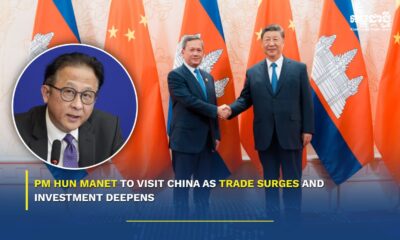
PM Hun Manet to visit China as trade surges and investment deepens
-
 National2 weeks ago
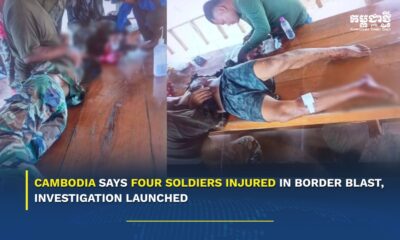
Cambodia says four soldiers injured in border blast, investigation launched
-
 National1 month ago
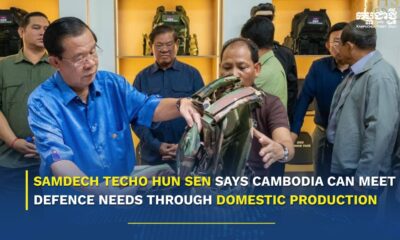
Samdech Techo Hun Sen Says Cambodia Can Meet Defence Needs Through Domestic Production
-

 National2 weeks ago
Cambodia opens new distribution hub to expand market access for local businesses
-
 Opinion2 months ago
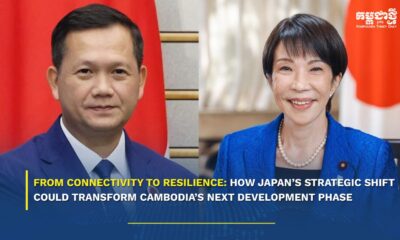
From Connectivity to Resilience: How Japan’s Strategic Shift Could Transform Cambodia’s Next Development Phase
-
 Economy2 months ago
Cambodia Welcomes 1 Million Tourists in Q1, But Arrivals Fall Sharply Amid Regional Pressures