National
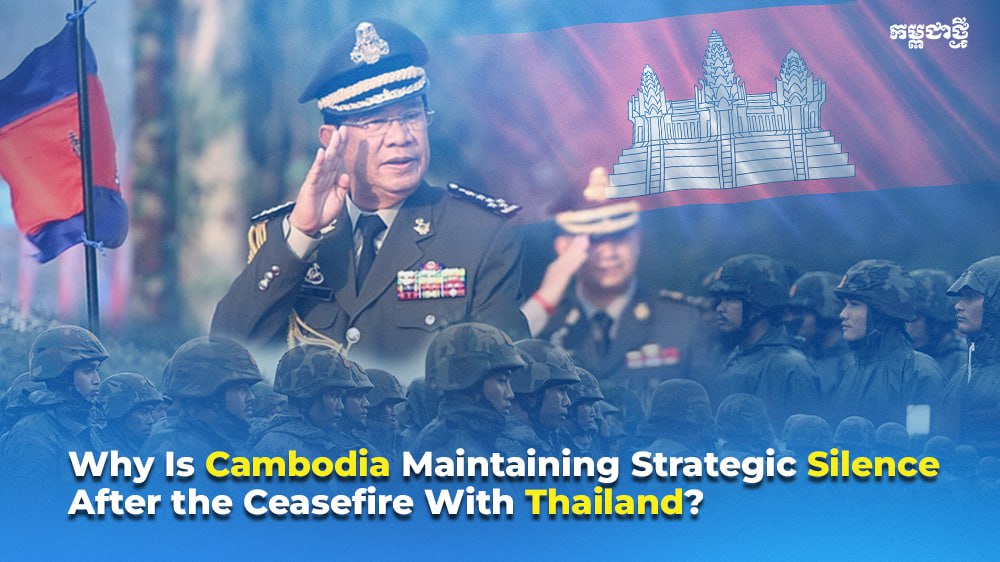
Why Is Cambodia Maintaining Strategic Silence After the Ceasefire With Thailand?
By Son Minea
Since the “immediate and unconditional ceasefire” was convened in Malaysia on July 28, the Cambodian government has maintained a posture of strategic silence and restraint in its dealings with Thailand, aiming to avoid a second clash between the neighboring countries.
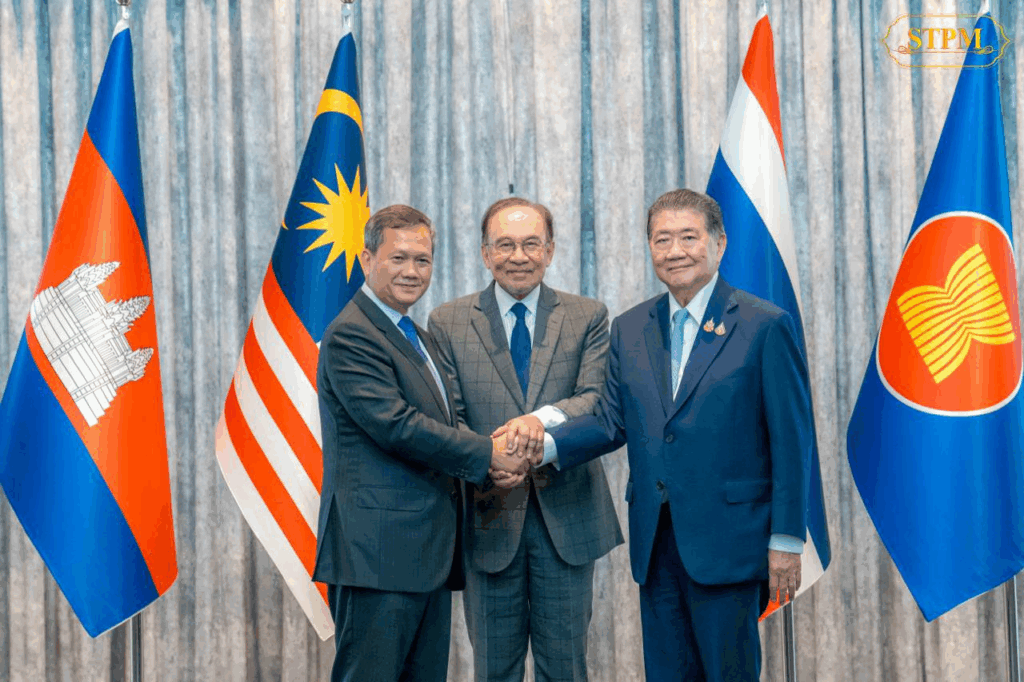
Experts say Cambodia has turned to international mechanisms to address the escalating tensions, describing its approach as a step toward de-escalation and a bid to prevent further bloodshed.
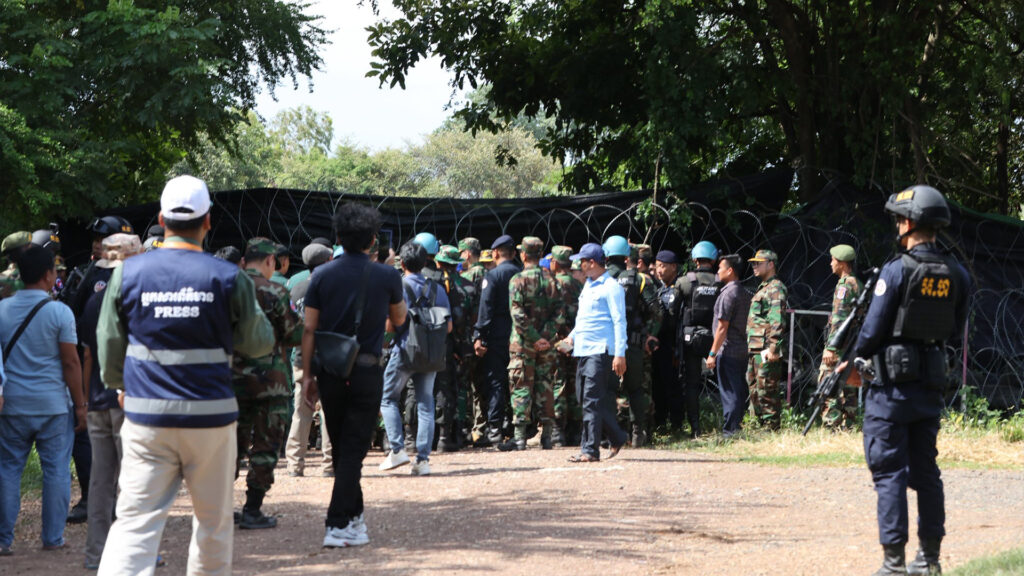
Just one hour after the ceasefire took effect at midnight on July 28, Thai armed forces reportedly arrested 22 Cambodian soldiers and continued mobilizing troops into Cambodian territory. Thai forces also entered Cambodian land to erect barbed wire, allegedly forcing civilians to evacuate without retrieving personal belongings. These actions, Cambodian officials say, violate both the ceasefire agreement and the 2000 Memorandum of Understanding between the two governments.
In response to what it views as provocation, Cambodia has remained calm and refrained from retaliatory rhetoric. The government continues to call on Thailand to honor the ceasefire, return the 18 Cambodian soldiers still detained, and demonstrate goodwill and commitment to peace.
Vannarith Chheang, chairman of the Angkor Social Innovation Park, said Cambodia’s silence is a strategic move to end the dispute and avoid further violence.
“Strategic patience is critical in diplomatic warfare,” Chheang said. “Border tensions will persist unless we address the root causes—sovereignty disputes stemming from differing border maps.”
Thong Mengdavid, a lecturer at the Institute for International Studies and Public Policy at the Royal University of Phnom Penh, said Cambodia’s restraint reflects its commitment to peaceful resolution and maturity in handling security issues.
“Although this approach takes time and affects the lives of people along the border, Cambodia remains committed to bilateral negotiations and multilateral mechanisms rooted in international law,” Mengdavid said. “Cambodia is not a state that initiates aggression. It seeks to show the international community that it is a peace-loving nation focused on development and the well-being of its people.”
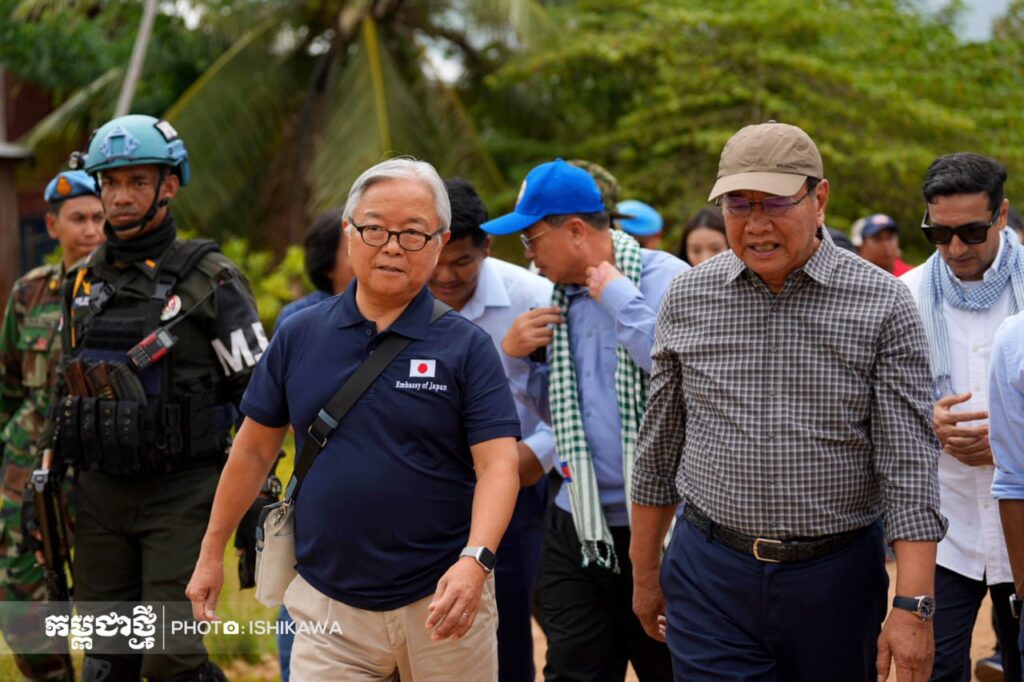
Mengdavid added that the situation has been worsened by an information war, including disinformation and fake news, which have heightened public anxiety and harmed the mental health of Cambodians.
“As long as Thailand’s internal politics remain unstable, tensions along the border are likely to persist,” he said.
Mengdavid urged Cambodians to remain patient and trust the government’s response, while fostering a shared Khmer identity that promotes unity and determination in defending national interests through peaceful and legal means.
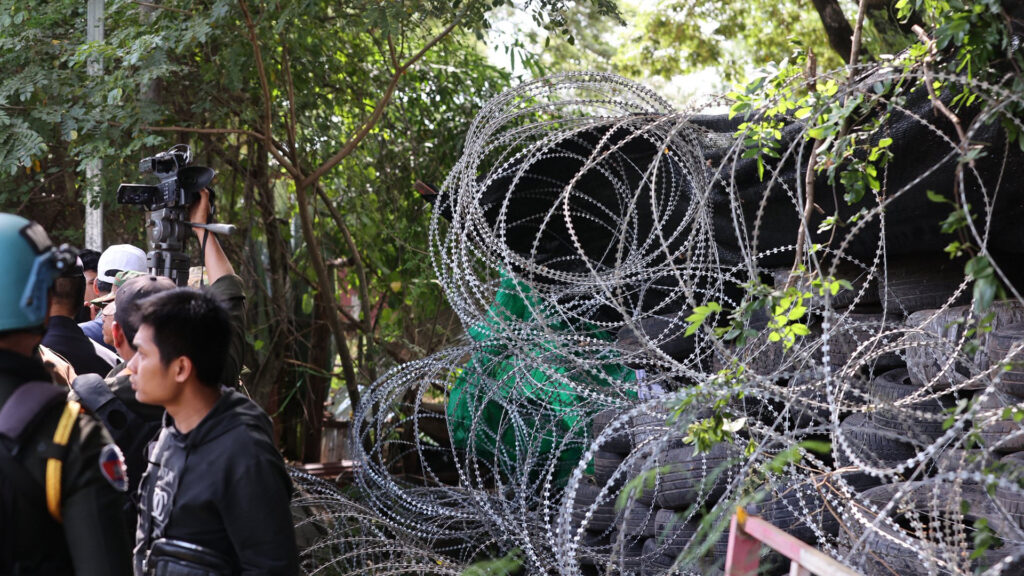
The Cambodian government has reiterated its full commitment to the ceasefire agreement reached on July 28 during a special meeting in Putrajaya, Malaysia. The meeting was hosted by Malaysia, co-organized by the United States, and attended by China as an active participant. The agreement officially took effect at midnight on the same day.

-
 National2 months ago
Cambodia Expands Free ID Services While Introducing Clear Fee Structure for Administrative Documents
-
 National3 weeks ago
Cambodia proposes trilateral anti‑crime liaison mechanism with Laos, Vietnam
-
 National2 weeks ago
PM Hun Manet to visit China as trade surges and investment deepens
-
 National2 weeks ago
Cambodia says four soldiers injured in border blast, investigation launched
-

 National1 month ago
Samdech Techo Hun Sen Says Cambodia Can Meet Defence Needs Through Domestic Production
-

 National2 weeks ago
Cambodia opens new distribution hub to expand market access for local businesses
-
 Opinion2 months ago
From Connectivity to Resilience: How Japan’s Strategic Shift Could Transform Cambodia’s Next Development Phase
-
 Economy2 months ago
Cambodia Welcomes 1 Million Tourists in Q1, But Arrivals Fall Sharply Amid Regional Pressures