National
Cambodia, Japan Sign Mine Clearance Partnership to Boost Border Development
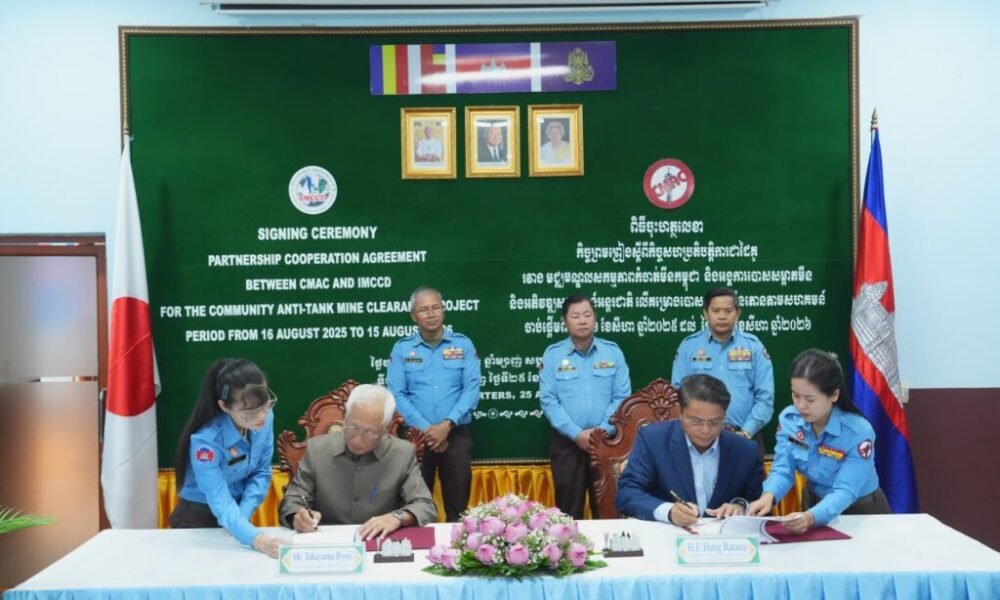
PHNOM PENH, (Aug. 25, 2025) —The Cambodian Mine Action Centre (CMAC) and Japan’s International Mine Clearance and Community Development organization (IMCCD) signed a partnership agreement Monday to launch a community-based mine clearance project in Battambang and Pailin provinces aimed at enhancing economic activity along the Cambodia–Thailand border.
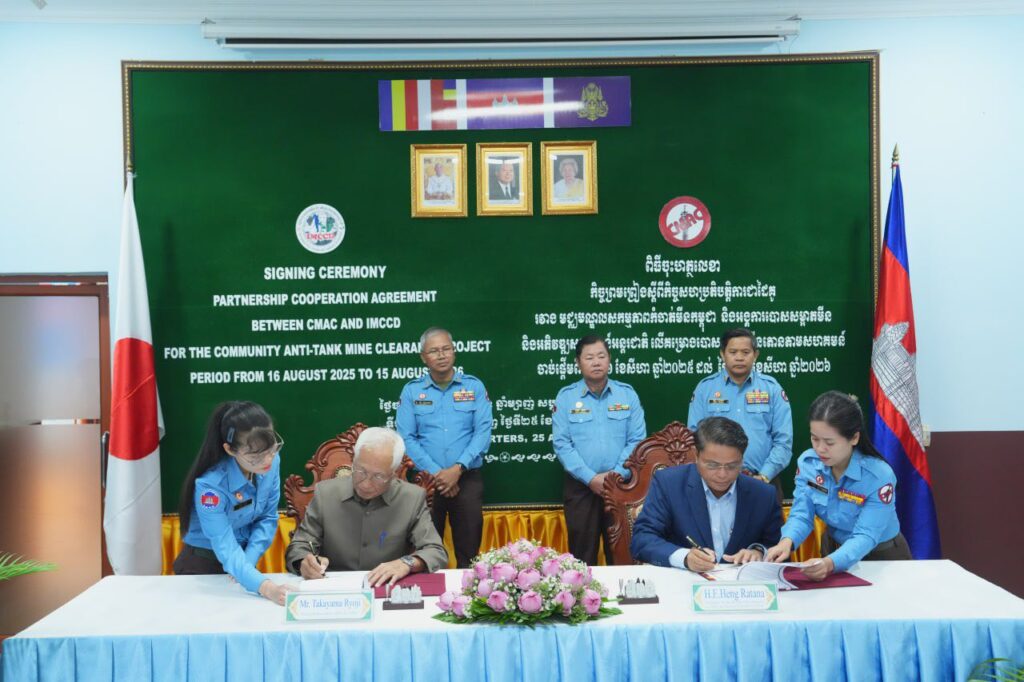
The signing ceremony took place Aug. 25 at CMAC headquarters in Phnom Penh, with CMAC Director-General Heng Ratana and IMCCD President Takayama Ryori formalizing the agreement. The project, titled “Community-Based Anti-Vehicle Mine Clearance,” will run from Aug. 16, 2025, to Aug. 15, 2026.
Heng said the initiative targets areas with high development potential and will support the government’s newly announced policy to prioritize mine clearance in populated and agriculturally active border zones. “Ta Sen commune in Kamrieng district, Battambang province which borders Thailand and contains mine-contaminated farmland, could be fully cleared under this project,” he said.
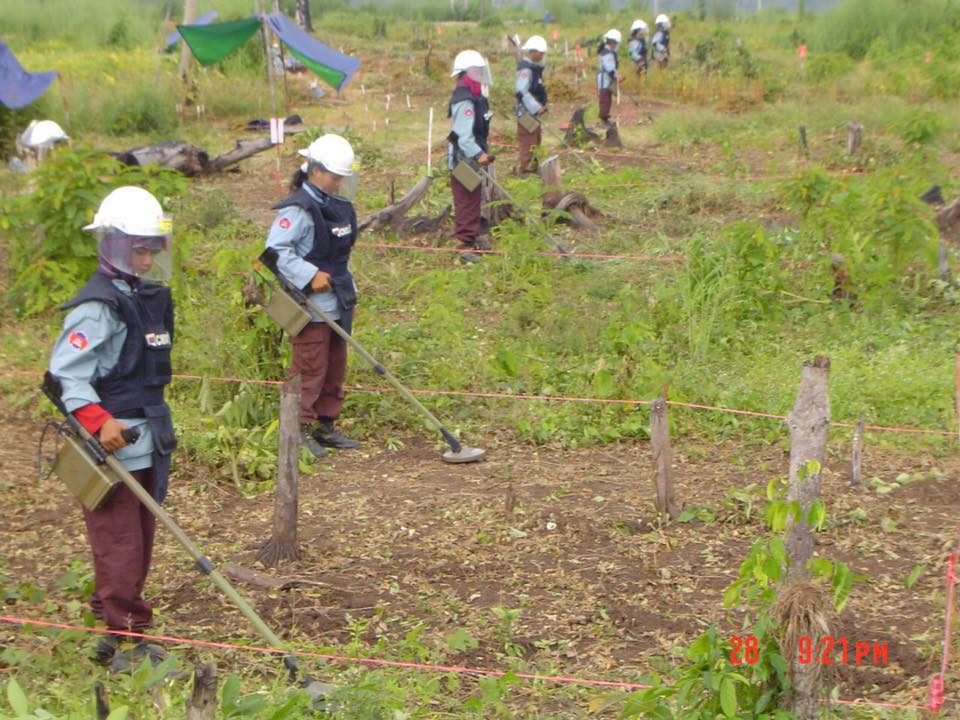
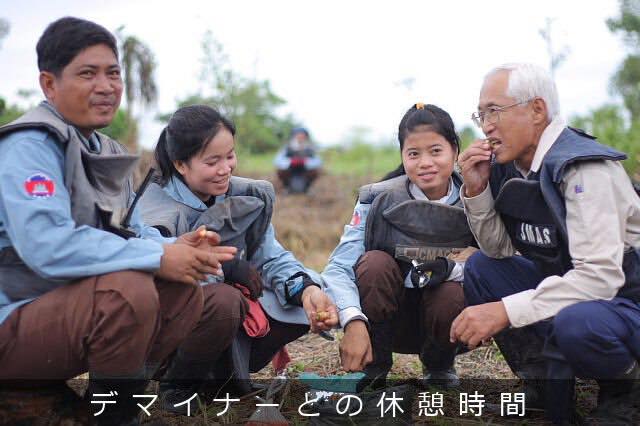
IMCCD has partnered with CMAC since 2011, marking 15 years of cooperation by 2025. The organization focuses on clearing anti-personnel and anti-vehicle mines, as well as unexploded ordnance. Its efforts have enabled safer land use for farming, housing, schools and hospitals, while supporting broader community infrastructure development.
Takayama, a former member of Japan’s Self-Defense Forces and a veteran of the 1993 UNTAC peacekeeping mission in Cambodia, has worked in mine action for more than 25 years. In early 2000, CMAC and IMCCD began clearance operations in Ta Sen commune, one of the country’s most mine-affected areas.
Beyond mine clearance, IMCCD has helped mobilize Japanese investment in the region, leading to the construction of five medium-sized factories producing Khmer spirits from cassava and mango. One of the products has reportedly won recognition in France for its quality.
Officials said the transformation of mine-contaminated land into productive economic zones reflects the long-term impact of sustained international cooperation.

-

 National2 months ago
Cambodia Expands Free ID Services While Introducing Clear Fee Structure for Administrative Documents
-

 National3 weeks ago
Cambodia proposes trilateral anti‑crime liaison mechanism with Laos, Vietnam
-

 National2 weeks ago
PM Hun Manet to visit China as trade surges and investment deepens
-

 National2 weeks ago
Cambodia says four soldiers injured in border blast, investigation launched
-

 National1 month ago
Samdech Techo Hun Sen Says Cambodia Can Meet Defence Needs Through Domestic Production
-

 National2 weeks ago
Cambodia opens new distribution hub to expand market access for local businesses
-
 Opinion2 months ago
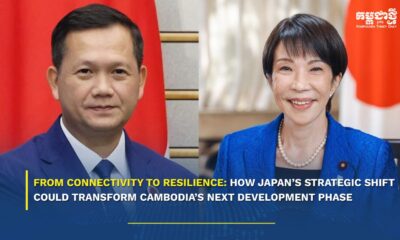
From Connectivity to Resilience: How Japan’s Strategic Shift Could Transform Cambodia’s Next Development Phase
-

 Economy2 months ago
Cambodia Welcomes 1 Million Tourists in Q1, But Arrivals Fall Sharply Amid Regional Pressures