Economy
World Bank Warns Human Capital Progress Stalling in Developing Countries
WASHINGTON, May 7, 2026 (KPT) — Human capital — people’s health, skills and knowledge — is the most valuable asset of any society, yet progress is faltering in many low‑ and middle‑income countries, the World Bank said in a new report released Thursday.
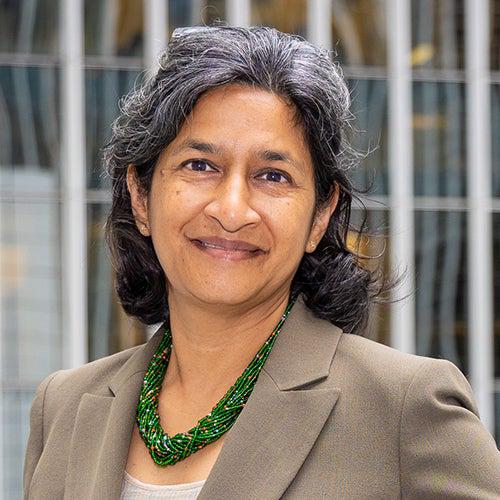
Mamta Murthi, Vice President for People at the World Bank Group, said no country has achieved sustained development without investing in human capital, but recent global trends show setbacks. Children today are less likely than those 15 years ago to read with understanding or solve basic mathematics problems, while adult height — a marker of population health — has declined in several regions.
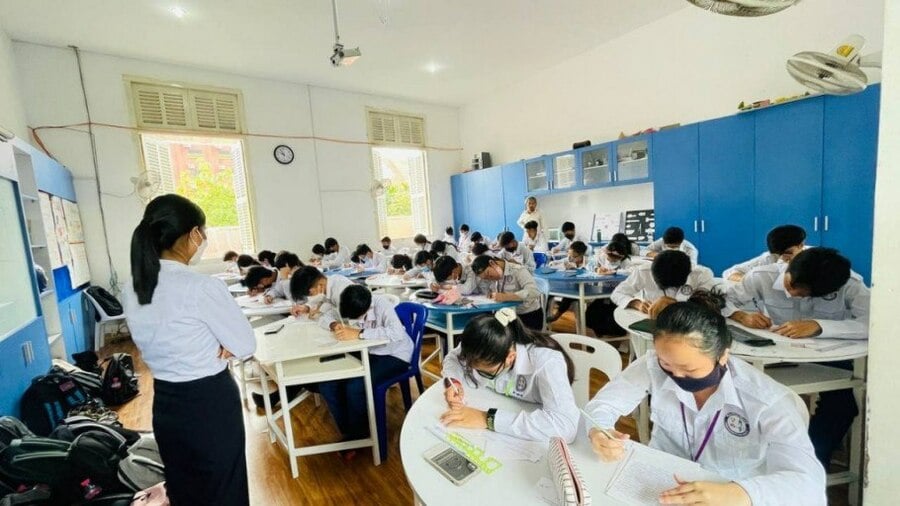
The report noted that most workers in poorer countries remain in jobs with limited training or learning opportunities, leaving women and youth especially vulnerable. Only 40 percent of women are in paid employment, and nearly one in five young people are neither working nor studying. Such gaps, the Bank said, matter because differences in human capital account for roughly two‑thirds of the income disparity between rich and poor nations.
The study argues that reversing these trends requires rethinking how human capital policy is designed and delivered. While expanding access to health and education remains essential, the Bank emphasized that human capital is also built in homes, neighborhoods and workplaces — settings where nutrition, safety, infrastructure and opportunities shape outcomes over time.

By adopting a settings‑based lens, the report calls for coordinated action across households, communities and labor markets, aligning financing and institutions to support human capital accumulation where it actually happens. At a time of demographic shifts, rapid technological change, climate shocks and fragility, investing more effectively in people is “foundational, not optional,” the Bank said.






-

 National1 month ago
Cambodia Expands Free ID Services While Introducing Clear Fee Structure for Administrative Documents
-
 National3 weeks ago
Cambodia proposes trilateral anti‑crime liaison mechanism with Laos, Vietnam
-
 National2 weeks ago
PM Hun Manet to visit China as trade surges and investment deepens
-

 National2 weeks ago
Cambodia says four soldiers injured in border blast, investigation launched
-

 National1 month ago
Samdech Techo Hun Sen Says Cambodia Can Meet Defence Needs Through Domestic Production
-

 National2 weeks ago
Cambodia opens new distribution hub to expand market access for local businesses
-
 Opinion2 months ago
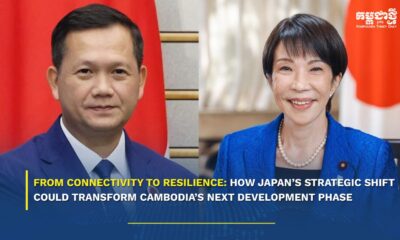
From Connectivity to Resilience: How Japan’s Strategic Shift Could Transform Cambodia’s Next Development Phase
-

 Economy2 months ago
Cambodia Welcomes 1 Million Tourists in Q1, But Arrivals Fall Sharply Amid Regional Pressures