Economy
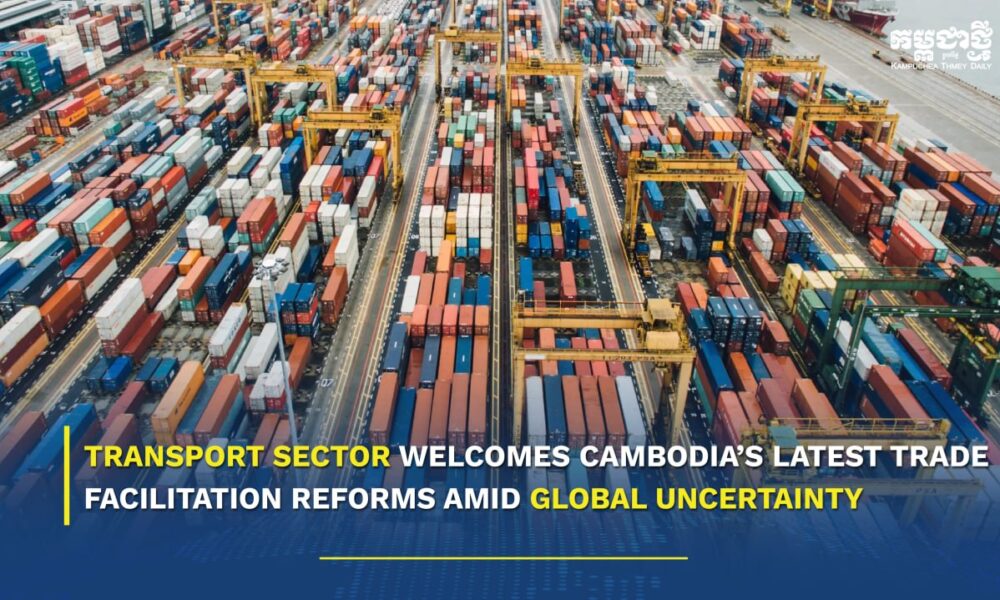
Transport Sector Welcomes Cambodia’s Latest Trade Facilitation Reforms Amid Global Uncertainty
PHNOM PENH, May 8, 2026 (KPT) — A transport and logistics sector representative has welcomed the government’s latest trade facilitation reforms, particularly the removal of container scanning fees, describing the move as a key step to reducing costs and strengthening competitiveness amid global economic uncertainty.
The government officially abolished scanning charges from May 1 as part of broader efforts to ease pressure on the private sector and improve the investment climate.
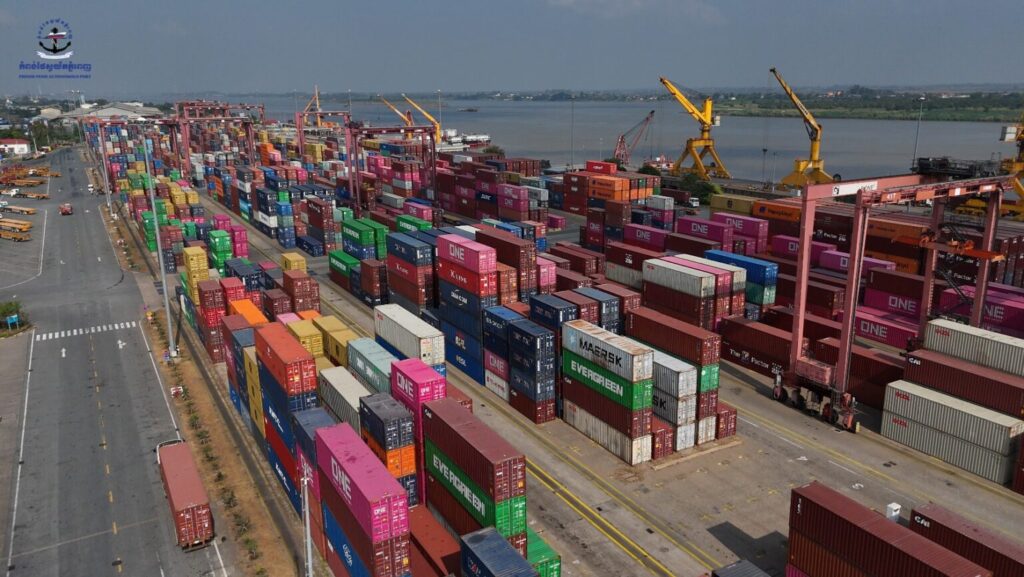
Sin Chanthy, vice president of the Cambodia Logistics Association and director general of Linehaul Express, said the decision would help import export businesses long burdened by additional costs linked to scanning procedures. But he noted logistics expenses remain driven by wider factors including maritime freight, warehousing, packaging, land transport and administrative procedures.
“The government’s decision provides support for the private sector, but further reforms are still needed so Cambodia can better compete with neighboring countries and global markets,” he said.
Chanthy expressed optimism over the ongoing deep sea port project, now 67 percent complete, which is expected to lower shipping costs once operational.
Speaking at the Cambodia Investment Forum 2026, Deputy Prime Minister Sun Chanthol said logistics costs remain a critical factor for competitiveness and investor confidence.
He said Cambodia is accelerating reforms and crisis response measures, including redirecting freight to waterways during border disruptions, expanding port infrastructure, eliminating scanning fees, cracking down on online scams and advancing the Funan Techo water resources project.
Chanthol added that authorities are helping workers returning from Thailand secure domestic jobs as investment inflows boost demand for skilled labor. To address energy pressures linked to Middle East tensions, he said fuel taxes had been cut close to zero while the state electricity utility absorbed losses of around US$35 million to stabilize prices.







-
 National1 month ago
Cambodia Expands Free ID Services While Introducing Clear Fee Structure for Administrative Documents
-
 National3 weeks ago
Cambodia proposes trilateral anti‑crime liaison mechanism with Laos, Vietnam
-
 National2 weeks ago
PM Hun Manet to visit China as trade surges and investment deepens
-

 National2 weeks ago
Cambodia says four soldiers injured in border blast, investigation launched
-

 National1 month ago
Samdech Techo Hun Sen Says Cambodia Can Meet Defence Needs Through Domestic Production
-

 National2 weeks ago
Cambodia opens new distribution hub to expand market access for local businesses
-
 Opinion2 months ago
From Connectivity to Resilience: How Japan’s Strategic Shift Could Transform Cambodia’s Next Development Phase
-

 Economy2 months ago
Cambodia Welcomes 1 Million Tourists in Q1, But Arrivals Fall Sharply Amid Regional Pressures