National
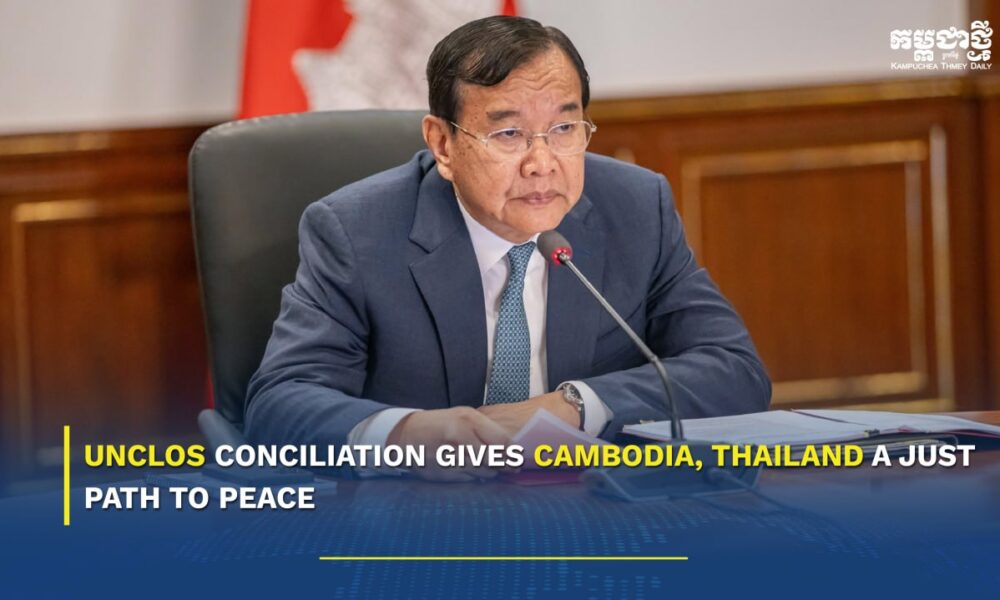
UNCLOS conciliation gives Cambodia, Thailand a just path to peace
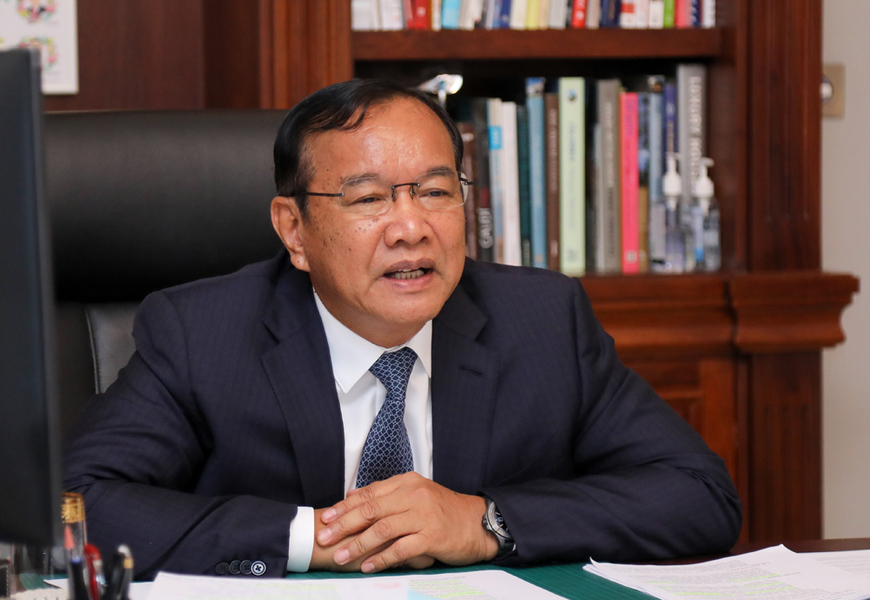
PHNOM PENH, June 15, 2026 (KPT) — On June 2, Cambodia initiated compulsory conciliation proceedings with Thailand under the UN Convention on the Law of the Sea (UNCLOS).
We did so to safeguard our sovereignty and maritime rights after Thailand unilaterally withdrew from a 25-year-old memorandum of understanding intended to guide negotiations on maritime boundaries and the sharing of undersea oil and gas resources.
Thailand has since agreed to join the UNCLOS conciliation process — a welcome and positive step. But the significance of this moment extends beyond a bilateral dispute.
It is an opportunity to reaffirm the value of international law, ASEAN solidarity, and peaceful neighborly relations.
For the international community, this is a chance to see effective law in action at a time when the multilateral rules-based order is under strain.
For ASEAN, it is a chance to draw on its tradition of mutual support and reputation as a model of regional cooperation. And for Cambodia and Thailand, it is a chance to step away from confrontation and choose peace.
There is precedent for optimism. A decade ago, UNCLOS conciliation resolved a seemingly intractable maritime dispute between Timor-Leste and Australia.
Despite stark asymmetries in size, wealth, and military power, both countries ultimately agreed to a permanent maritime boundary. Australia’s then–Foreign Minister Julie Bishop praised the treaty as proof of how international law enables peaceful resolution.
That lesson applies directly today. The Cambodia–Thailand process will require good faith, consistency, and pragmatism. Consistency ensures both sides remain engaged, as Australia did with Timor-Leste, leading to improved relations and eventual agreement.
Pragmatism ensures the process addresses not only lines on a map but also the energy resources within them — resources vital to economic security and development for both nations and the wider region.
Cambodia does not seek a one-sided outcome. We ask only that the UNCLOS Conciliation Commission address the dispute as it truly is: a maritime boundary issue inseparable from the peaceful development of shared resources.
We recognize that Thailand has national interests. Cambodia has national interests, too. International law does not require either side to abandon those interests. It requires both sides to pursue them peacefully, respectfully and within a rules-based framework.
The same commitment to peaceful resolution must extend to our shared land border. The current ceasefire between Cambodia and Thailand continues to hold, but it is fragile. Cambodia remains concerned by the situation on the ground in the occupied areas well inside Cambodian territory.
Borders and sovereignty must never be altered by force or fait accompli. On land just as at sea, steadfast adherence to international law and existing treaties and agreements, as well as dialogue, good faith and mutual respect, are key to ensuring that sovereignty, territorial integrity and international boundaries are respected.
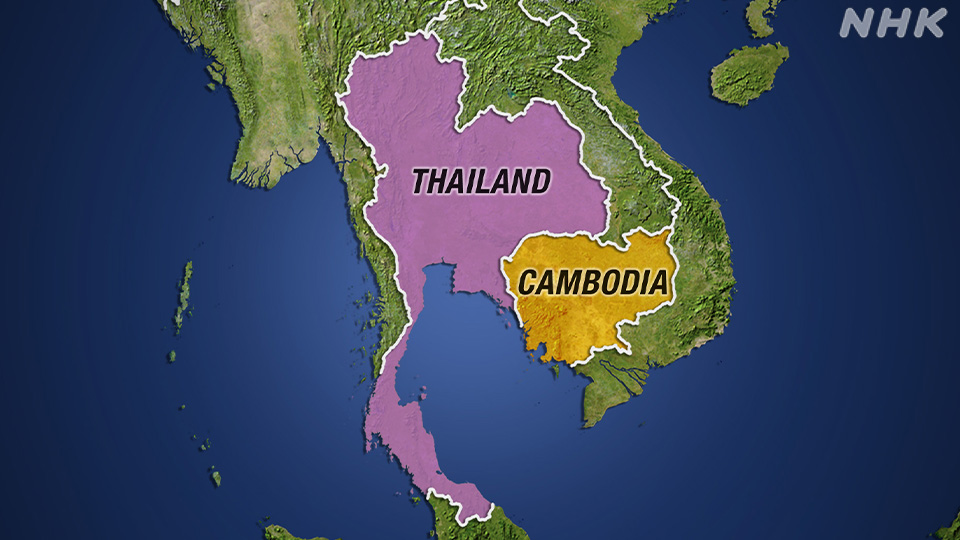
Cambodia remains ready to engage peacefully and consistently with Thailand on all the issues we face, both on land and at sea. There are effective mechanisms to do so, as the UNCLOS process for the sea has shown.
Cambodia attaches great importance to its relationship with Thailand, a close neighbor with a common commitment to peace and prosperity in our region. We must, at all costs, continue to talk when the stakes are so high.
The maritime area must not become another theater of mistrust. And the land border must not see a further escalation of tension. Instead, Cambodia and Thailand should follow the tradition of how Southeast Asian states resolve difficult disputes.
The Timor-Leste case began with acrimony and ended with agreement. It began with uncertainty and ended with proof that compulsory conciliation under international law can break a deadlock and resolve disputes when bilateralism has run its course.
Cambodia welcomes Thailand’s engagement in the UNCLOS conciliation process. We ask that all sides engage in good faith. Our peoples, our region and the world will bear witness.
By Prak Sokhonn, Deputy Prime Minister and Minister of Foreign Affairs and International Cooperation of the Kingdom of Cambodia




-
 National1 month ago
Cambodia Expands Free ID Services While Introducing Clear Fee Structure for Administrative Documents
-
 National3 weeks ago
Cambodia proposes trilateral anti‑crime liaison mechanism with Laos, Vietnam
-
 National2 weeks ago
PM Hun Manet to visit China as trade surges and investment deepens
-
 National2 weeks ago
Cambodia says four soldiers injured in border blast, investigation launched
-
 National1 month ago
Samdech Techo Hun Sen Says Cambodia Can Meet Defence Needs Through Domestic Production
-

 National2 weeks ago
Cambodia opens new distribution hub to expand market access for local businesses
-
 Opinion2 months ago
From Connectivity to Resilience: How Japan’s Strategic Shift Could Transform Cambodia’s Next Development Phase
-
 Economy2 months ago
Cambodia Welcomes 1 Million Tourists in Q1, But Arrivals Fall Sharply Amid Regional Pressures