Economy
Cambodia bans imports of forced‑labor goods to strengthen responsible supply chains
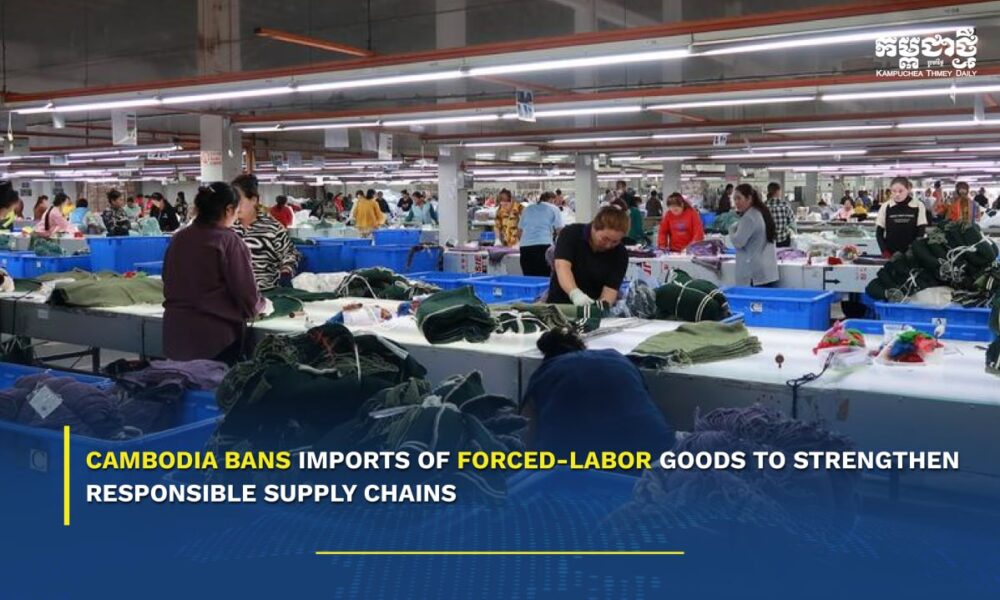
PHNOM PENH, July 2, 2026 (KPT) — Cambodia has introduced new regulations banning the import of goods produced wholly or partly through forced labor, in a move aimed at strengthening responsible supply chains, protecting labor rights and enhancing the country’s trade competitiveness.
The Inter‑Ministerial Prakas on the Prohibition of the Importation of Goods with Forced Labor was jointly issued on July 1 by the Ministry of Economy & Finance, Ministry of Commerce and the Ministry of Labour and Vocational Training. It sets out procedures to prohibit the import, use, circulation and supply of goods linked to forced labor within Cambodia.
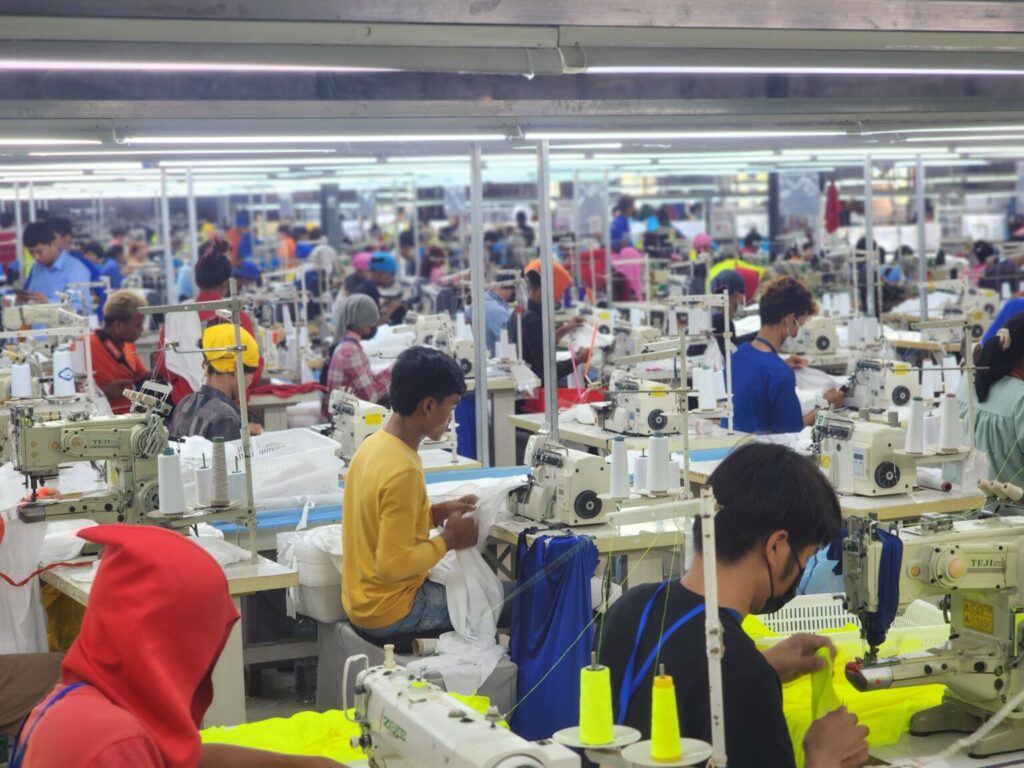
Forced labor is defined as any work or service exacted under threat of penalty and performed involuntarily, consistent with Cambodia’s Labour Law and ILO Convention No. 29. The regulation applies to goods mined, extracted, harvested, manufactured or processed wholly or in part through forced labor.
An inter‑ministerial task force will be established, comprising representatives from the ministries of Economy and Finance, Commerce, Labour and other agencies. The body will investigate goods suspected of being linked to forced labor and may cooperate with foreign authorities when necessary.
Importers whose goods are under investigation must respond within 10 working days, providing documentation on product origin, supplier information, contracts, payments, ownership records and independent audit reports to demonstrate compliance. Goods confirmed to involve forced labor will be barred from entry, while violators may face penalties including suspension of import and export activities and certificates of origin.
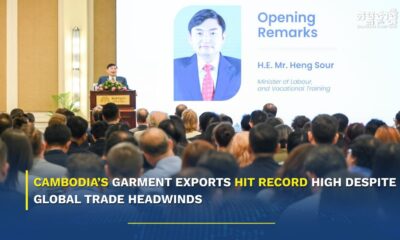
Labour Minister Heng Sour said the measure underscores Cambodia’s commitment to eliminating forced labor from both imported and domestically produced goods. “Cambodia continues to uphold labor rights across global supply chains, particularly by eliminating the use of forced labor through this new regulation,” he said.
The business community welcomed the move. Kaing Monika, Deputy Secretary General of the Textile, Apparel, Footwear and Travel Goods Association in Cambodia (TAFTAC), said the regulation would help safeguard the sector from supply chain risks. “We appreciate the government’s preventive measures to ensure clean supply chains and prevent imports linked to forced labor from any country,” he said.
Monika added that TAFTAC has been preparing its members since 2023 by conducting workshops to help factory owners adopt responsible sourcing practices and establish traceability systems to ensure compliance.







-
 National2 months ago
Poll Finds Strong Cambodian Support for Closer China Ties
-
 Opinion2 months ago
Vienna Convention on the Law of Treaties (VCLT)’s ruling over the MoU 2001 Cancellation by Thailand against Cambodian Maritime Territories
-

 Economy2 months ago
Cambodia Bans Prize Promotions on Beer and Energy Drinks to Level Playing Field
-
 Opinion1 month ago
From Connectivity to Resilience: How Japan’s Strategic Shift Could Transform Cambodia’s Next Development Phase
-
 Education2 months ago
UK Pearson Edexcel Program Launched to Expand Cambodia’s International Education Standards
-
 Economy2 months ago
Major Beer Producers in Cambodia Back Government Ban on Prize Promotions
-

 National2 months ago
Senate backs Cambodia’s UNCLOS conciliation move, urges Thailand to maintain dialogue
-

 Opinion1 month ago
Op-Ed: A Decade of Dialogue, Yet Many Challenges Remain