Economy
Toyota Expands Cambodia Production with Hilux Travo Assembly, Boosts Local Supply Chains
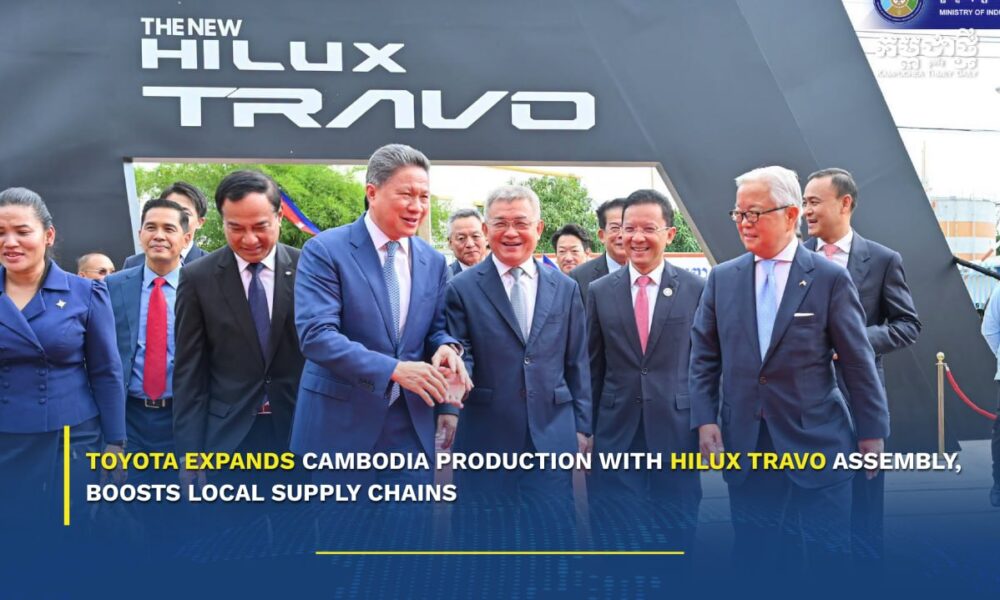
PHNOM PENH, July 2, 2026 (KPT) — Toyota Tsusho Manufacturing (Cambodia) has expanded its operations with the launch of local assembly for the new Toyota Hilux Travo, reinforcing Cambodia’s growing automotive industry and increasing the use of locally sourced components, officials said Thursday.
The new production line was inaugurated Wednesday in a ceremony presided over by Deputy Prime Minister and Council for the Development of Cambodia (CDC) First Vice Chairman Sun Chanthol.
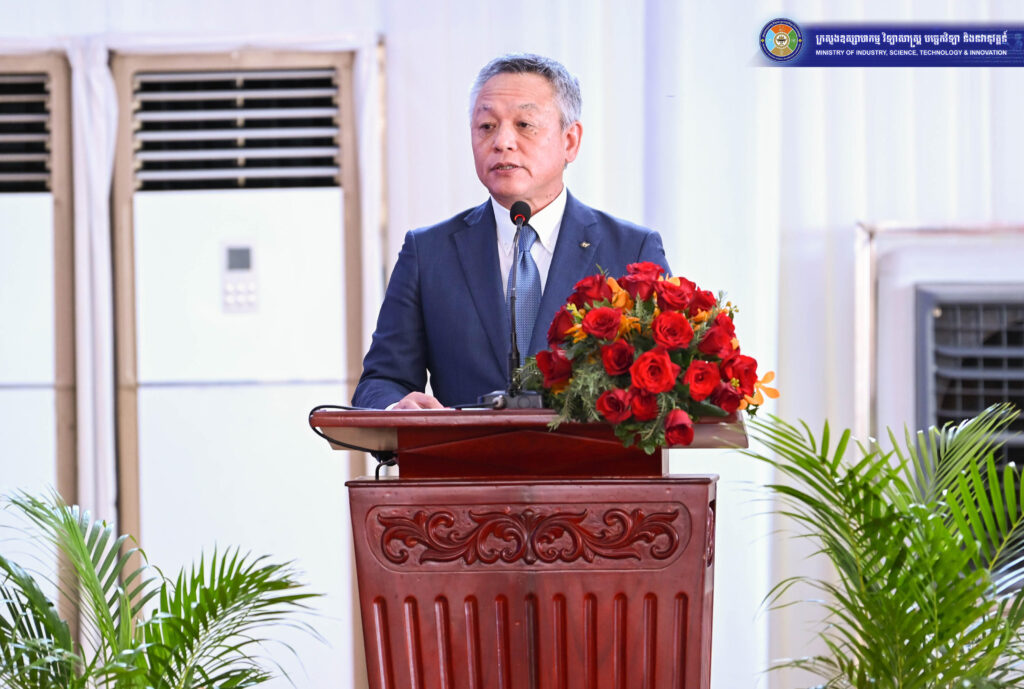
Harada Shigeru, Executive Officer of Toyota Tsusho Corporation, said the expansion reflects the company’s long‑term commitment to Cambodia after more than three decades of operations. “Since we began operations in Cambodia in 1993, Toyota has continued to grow steadily on the foundation of long‑standing trust.
Starting with vehicle sales, we expanded into maintenance services and related industries, and today we have taken another important step into local assembly,” he said. He added that technology transfer and human resource development remain central to Toyota’s investment strategy.
Industry Minister Hem Vanndy said the launch demonstrates Cambodia’s progress under the government’s Pentagonal Strategy Phase I and National Automotive Development Policy 2024–2030. “This achievement is more than the introduction of a new vehicle model. It reflects Toyota’s long‑term confidence in Cambodia’s political stability, investment environment and industrial development strategy,” he said.
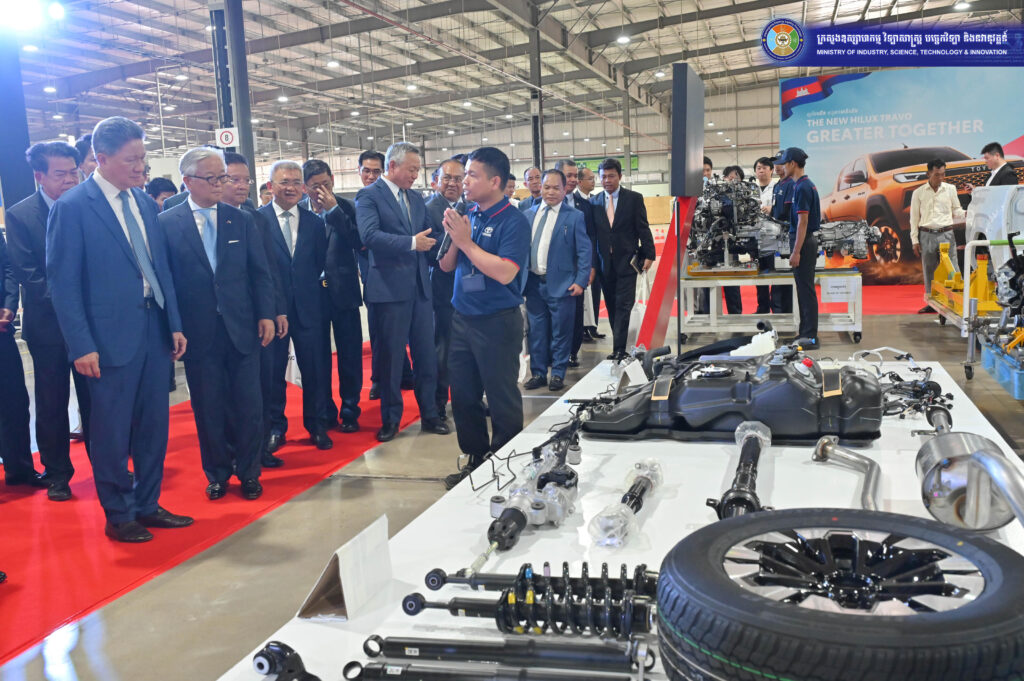
Cambodia currently has eight operational vehicle manufacturing and assembly plants with a combined annual capacity of about 38,000 vehicles, while several more facilities are under construction. Since opening its assembly plant in 2024, Toyota Tsusho Manufacturing (Cambodia) has produced 6,250 Fortuner and Hilux vehicles, with monthly output rising tenfold from 40 units in 2024 to around 400 by late 2025.
Vanndy praised Toyota for increasing the use of locally produced automotive parts to about 20 percent, saying the move strengthens supporting industries, creates domestic value addition and promotes technology transfer. He encouraged further procurement from Cambodian suppliers to build stronger supply chains, create jobs and improve workforce skills.
“Our goal is not simply to have vehicle assembly plants,” Vanndy said. “We aim to build a complete automotive ecosystem where investors, local enterprises, training institutions and skilled workers can grow together.”




-
 National2 months ago
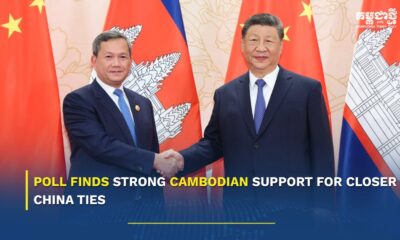
Poll Finds Strong Cambodian Support for Closer China Ties
-

 Opinion2 months ago
Vienna Convention on the Law of Treaties (VCLT)’s ruling over the MoU 2001 Cancellation by Thailand against Cambodian Maritime Territories
-

 Economy2 months ago
Cambodia Bans Prize Promotions on Beer and Energy Drinks to Level Playing Field
-

 Opinion1 month ago
From Connectivity to Resilience: How Japan’s Strategic Shift Could Transform Cambodia’s Next Development Phase
-

 Education2 months ago
UK Pearson Edexcel Program Launched to Expand Cambodia’s International Education Standards
-

 Economy2 months ago
Major Beer Producers in Cambodia Back Government Ban on Prize Promotions
-

 National2 months ago
Senate backs Cambodia’s UNCLOS conciliation move, urges Thailand to maintain dialogue
-

 Opinion1 month ago
Op-Ed: A Decade of Dialogue, Yet Many Challenges Remain