National
Experts say military dialogue could ease Cambodia–Thailand border tensions, but urge action on key mechanisms
PHNOM PENH, July 17, 2026 (KPT) – Analysts say recent military talks between Cambodia and Thailand mark a welcome step toward reducing tensions along their shared frontier, but caution that lasting stability will depend on reactivating stalled border mechanisms and stronger political commitment from both governments.
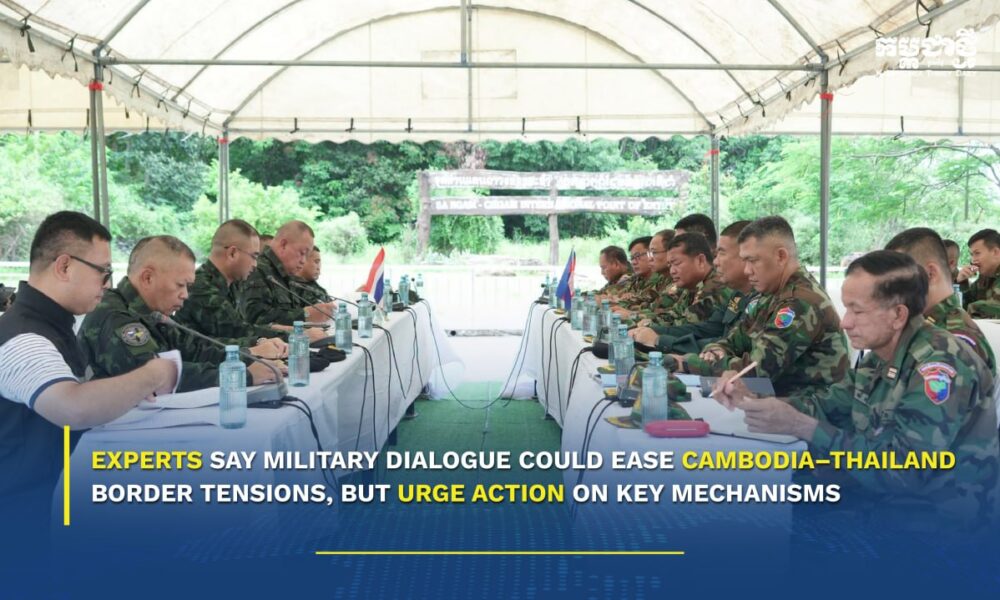
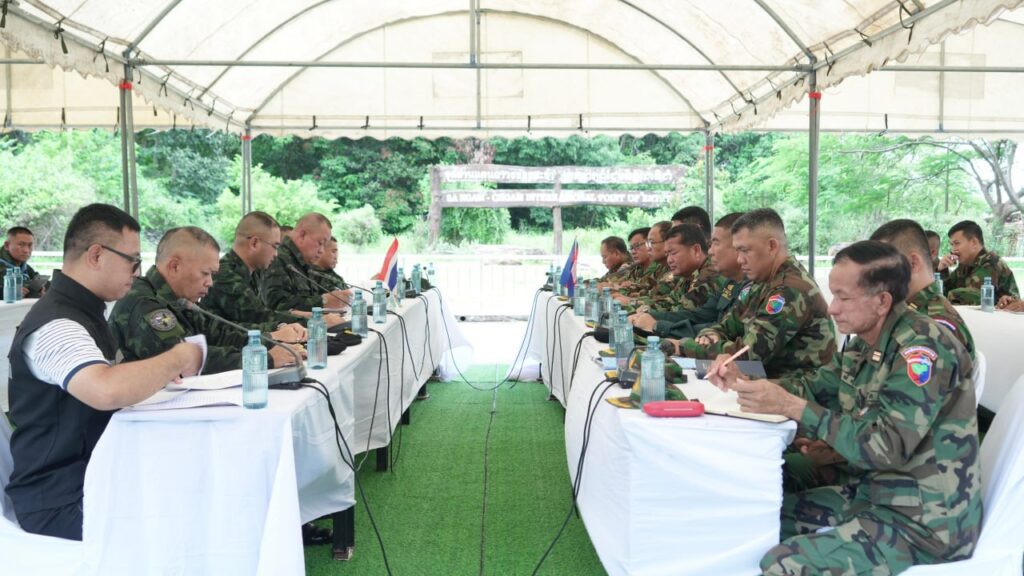
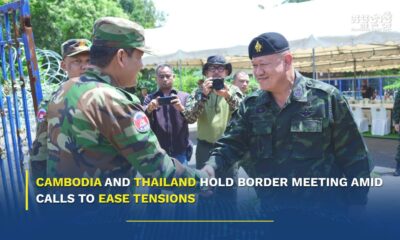
The comments followed an informal meeting on July 15 at the Choam‑Sangam International Border Checkpoint in Oddar Meanchey province, where Cambodia’s 4th Military Region and Thailand’s 2nd Army Region discussed ways to prevent incidents and reinforce the December 2025 ceasefire.
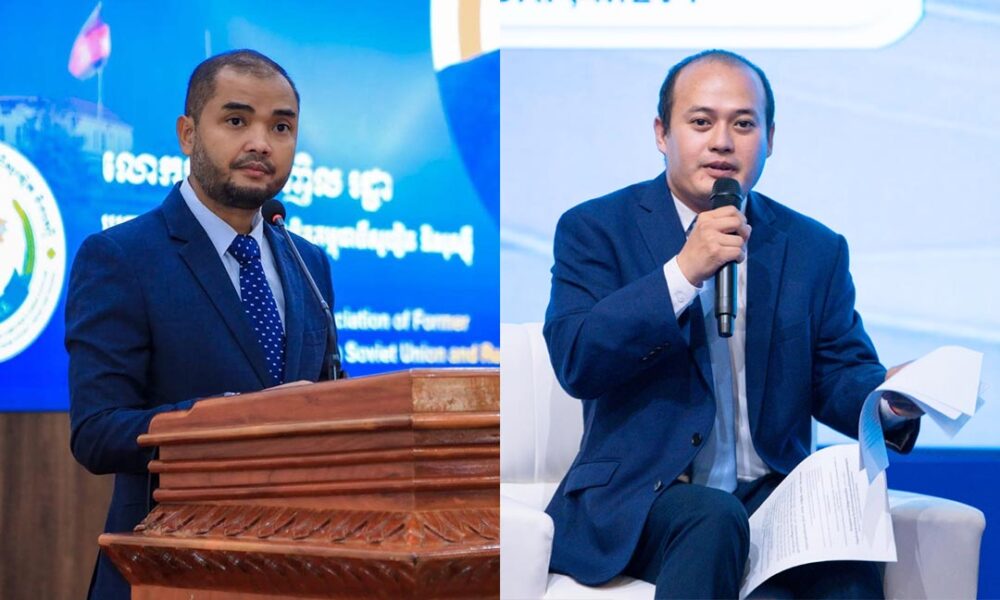
Thong Mengdavid, a lecturer at the Royal University of Phnom Penh, described the talks as an important move to improve communication between frontline forces.
But he warned that military‑level dialogue alone cannot resolve disputes without progress through the General Border Committee (GBC) and Joint Boundary Commission (JBC).
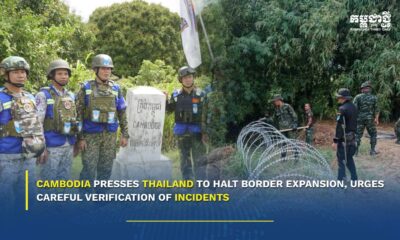
“The RBC meeting is a positive step toward reducing frontline risks, but its impact remains fragile as unilateral activities, including land clearing, road construction and barbed‑wire installation in undemarcated areas, continue to create tensions,” he said.
Mengdavid added that delays in reactivating the GBC and JBC had hindered technical engagement and prolonged uncertainty for border communities, with thousands of civilians still displaced.
Geopolitical analyst Gnel Rattha said the informal meeting signaled “quiet diplomacy” aimed at preventing small‑scale confrontations from escalating.
He noted Cambodia used the talks to raise concerns over unilateral activities in disputed areas while stressing the need to resolve issues through legal frameworks and treaties.
Rattha said smaller states often rely on international law and mechanisms such as the JBC to achieve durable solutions.
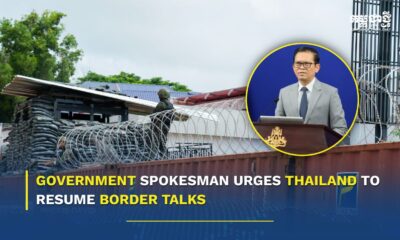
Government spokesperson Pen Bona reiterated Cambodia’s position that the international boundary must be respected under Franco–Siamese treaties and the principle of uti possidetis juris. He said Phnom Penh rejects any attempt to alter recognised borders by force.
According to the Defence Ministry, Brigadier General Nith Narong led the Cambodian delegation, while Major General Kampanat Waphansu headed the Thai side.
Cambodia urged the JBC to resume survey and demarcation work, citing bilateral agreements and a joint statement issued in December 2025.
Officials also called for careful verification of recent shooting and explosion incidents, greater discipline among frontline forces, and cooperation to curb misinformation that could inflame public hostility.
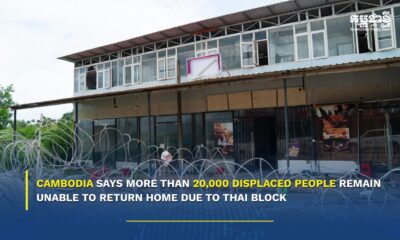
Despite the ceasefire, Cambodia’s Interior Ministry said thousands of displaced civilians remain unable to return home due to security restrictions and damage linked to border tensions.
Analysts say this underscores the urgency of moving beyond military dialogue toward comprehensive political solutions.







-
 National1 month ago
Cambodia Expands Free ID Services While Introducing Clear Fee Structure for Administrative Documents
-
 National2 weeks ago
Cambodia proposes trilateral anti‑crime liaison mechanism with Laos, Vietnam
-
 National2 weeks ago
PM Hun Manet to visit China as trade surges and investment deepens
-
 National2 weeks ago
Cambodia says four soldiers injured in border blast, investigation launched
-
 National1 month ago
Samdech Techo Hun Sen Says Cambodia Can Meet Defence Needs Through Domestic Production
-

 National2 weeks ago
Cambodia opens new distribution hub to expand market access for local businesses
-
 Opinion2 months ago
From Connectivity to Resilience: How Japan’s Strategic Shift Could Transform Cambodia’s Next Development Phase
-

 Economy2 months ago
Cambodia Welcomes 1 Million Tourists in Q1, But Arrivals Fall Sharply Amid Regional Pressures