Economy
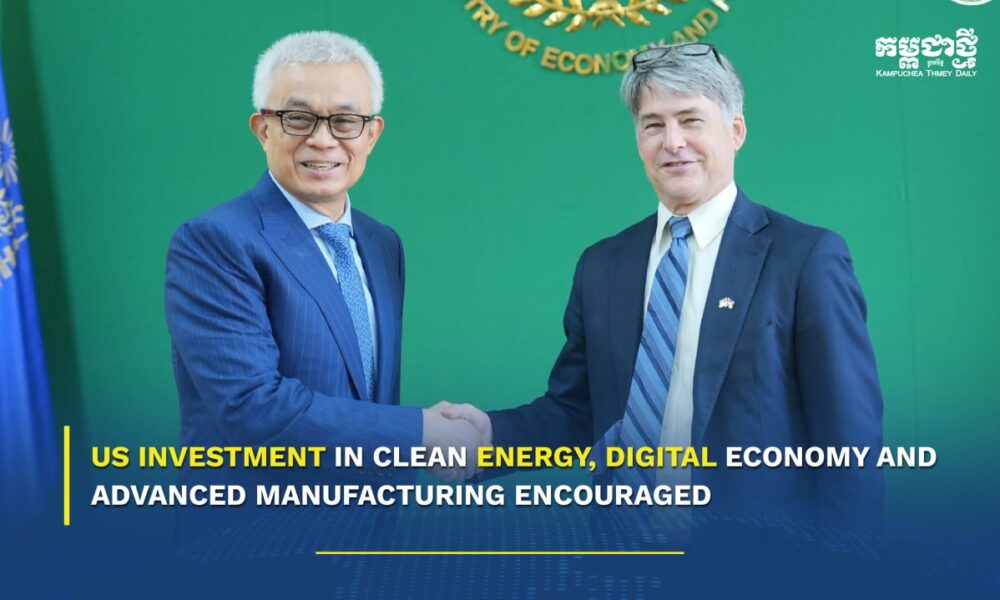
US Investment in Clean Energy, Digital Economy and Advanced Manufacturing Encouraged
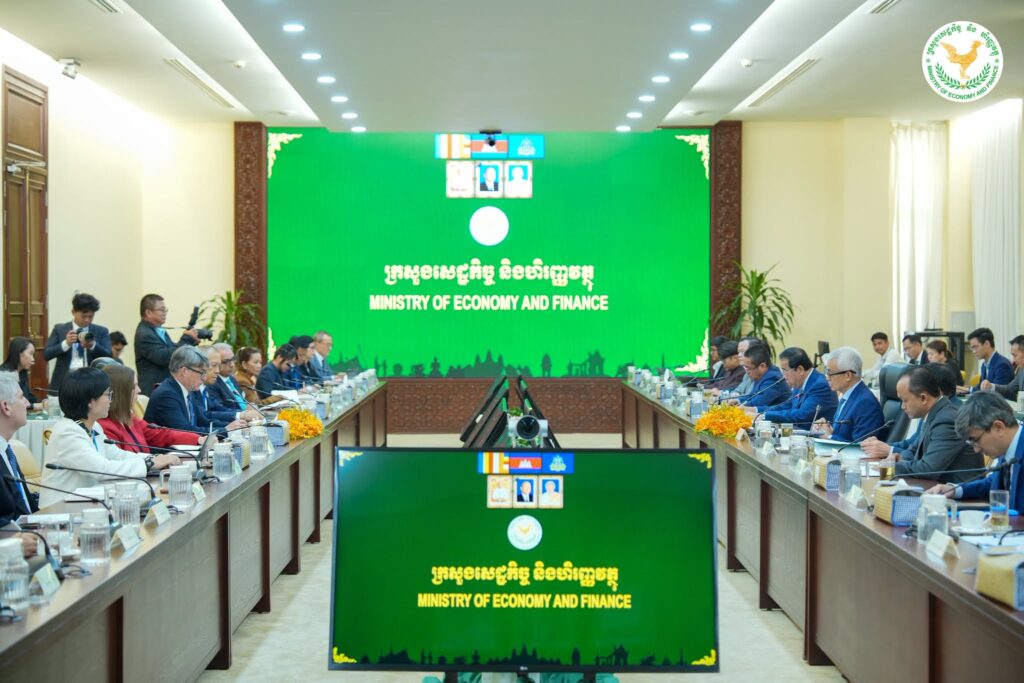
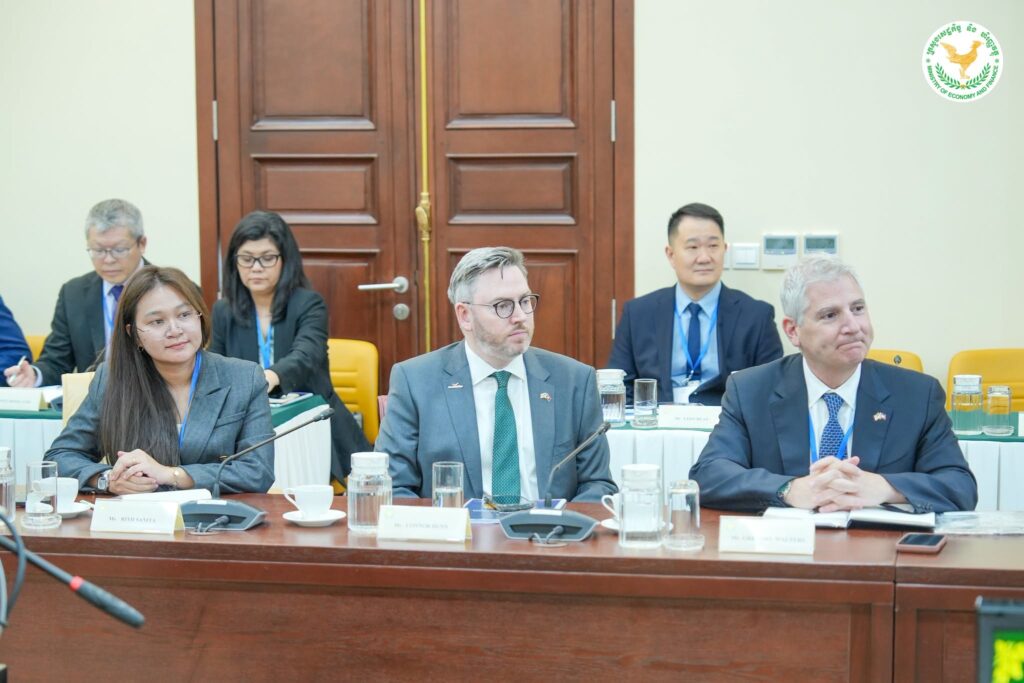
PHNOM PENH, July 23, 2026 (KPT) – Cambodia is intensifying efforts to attract more high‑value U.S. investment after senior officials met with the U.S.-ASEAN Business Council and executives from leading American multinationals, officials said Thursday.
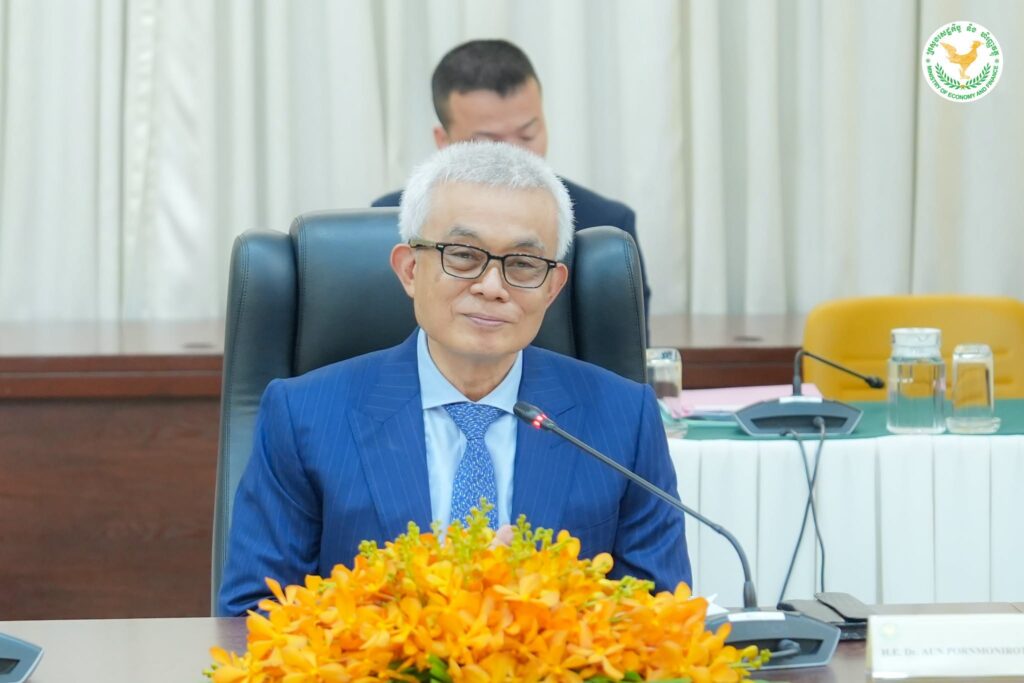
Deputy Prime Minister and Finance Minister Aun Pornmoniroth held talks with Council President Brian D. McFeeters, representatives of the U.S. Embassy and executives from 13 companies including SC Johnson, Ford, ConocoPhillips, Coca‑Cola, Mastercard, Visa, Roche, Abbott and Philip Morris International. Pornmoniroth reaffirmed Cambodia’s commitment to maintaining a transparent, investor‑friendly environment and welcomed greater U.S. investment in priority sectors.
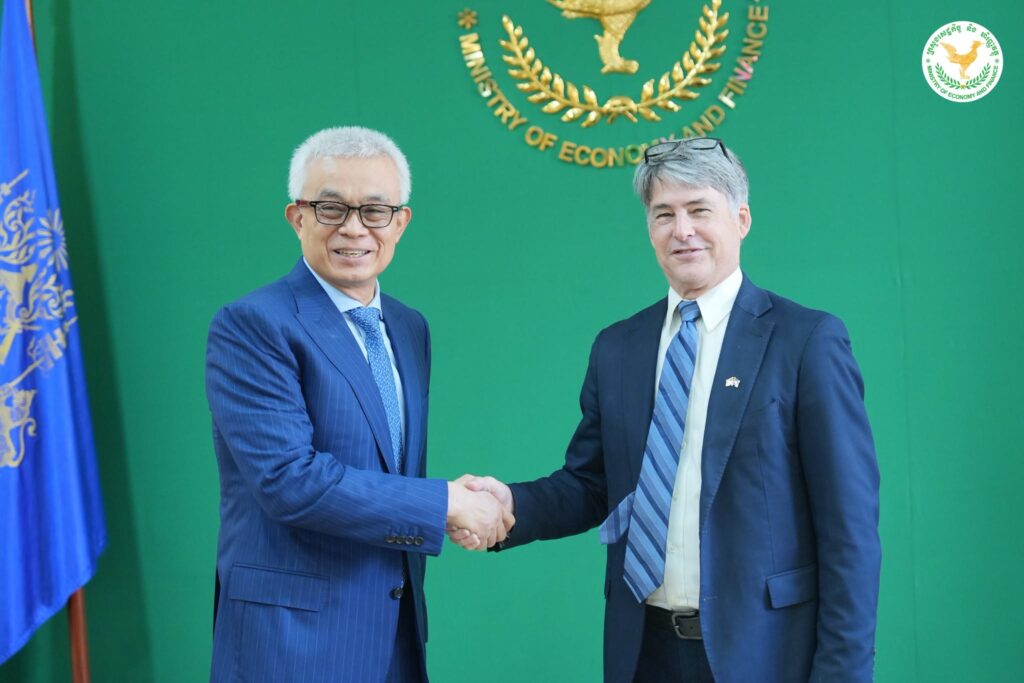
He noted bilateral trade reached US$13 billion in 2025, while cumulative U.S. investment rose to about US$1 billion, underscoring the growing strength of economic ties. He highlighted readiness to receive new investment in agro‑industry, clean energy, the digital economy, logistics, healthcare, education and advanced technology, which are expected to support Cambodia’s long‑term transformation.
McFeeters praised reform efforts, saying Cambodia’s business climate has improved significantly despite global challenges. He encouraged companies already operating in the Kingdom to share concerns, while Pornmoniroth outlined reforms to simplify procedures, accelerate digitalization of public services, strengthen regulatory compliance and ensure a fair business environment.
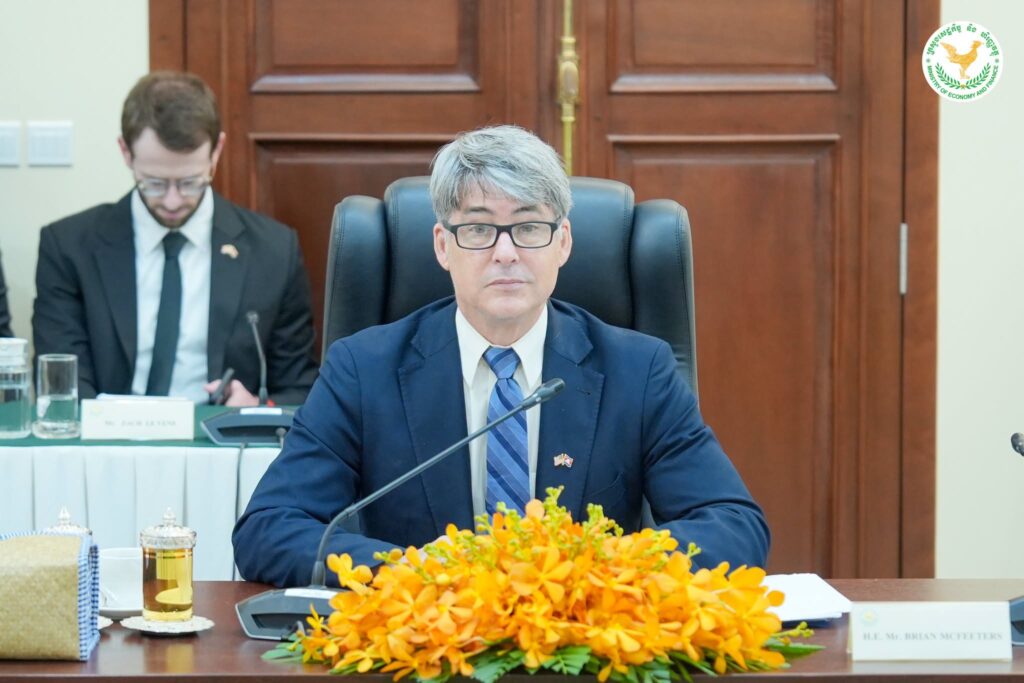
The Deputy Prime Minister emphasized the Government‑Private Sector Forum, particularly Working Group D on Law, Tax and Governance, as an effective platform for addressing investor concerns and improving policy predictability. McFeeters said he would share firsthand observations in Washington to promote greater U.S. trade and investment.
Pornmoniroth thanked the Council, the embassy and American firms for their contributions to socio‑economic development, expressing confidence that closer public‑private cooperation would further strengthen bilateral economic and commercial relations.








-
 National2 months ago
Cambodia Expands Free ID Services While Introducing Clear Fee Structure for Administrative Documents
-
 National3 weeks ago
Cambodia proposes trilateral anti‑crime liaison mechanism with Laos, Vietnam
-
 National3 weeks ago
PM Hun Manet to visit China as trade surges and investment deepens
-

 National2 weeks ago
Cambodia says four soldiers injured in border blast, investigation launched
-
 National1 month ago
Samdech Techo Hun Sen Says Cambodia Can Meet Defence Needs Through Domestic Production
-
 National3 weeks ago
Cambodia opens new distribution hub to expand market access for local businesses
-
 Opinion2 months ago
From Connectivity to Resilience: How Japan’s Strategic Shift Could Transform Cambodia’s Next Development Phase
-
 Economy2 months ago
Cambodia Welcomes 1 Million Tourists in Q1, But Arrivals Fall Sharply Amid Regional Pressures