Economy
Cambodia’s Middle East Flight Links Disrupted Amid U.S.–Israel Strikes on Iran
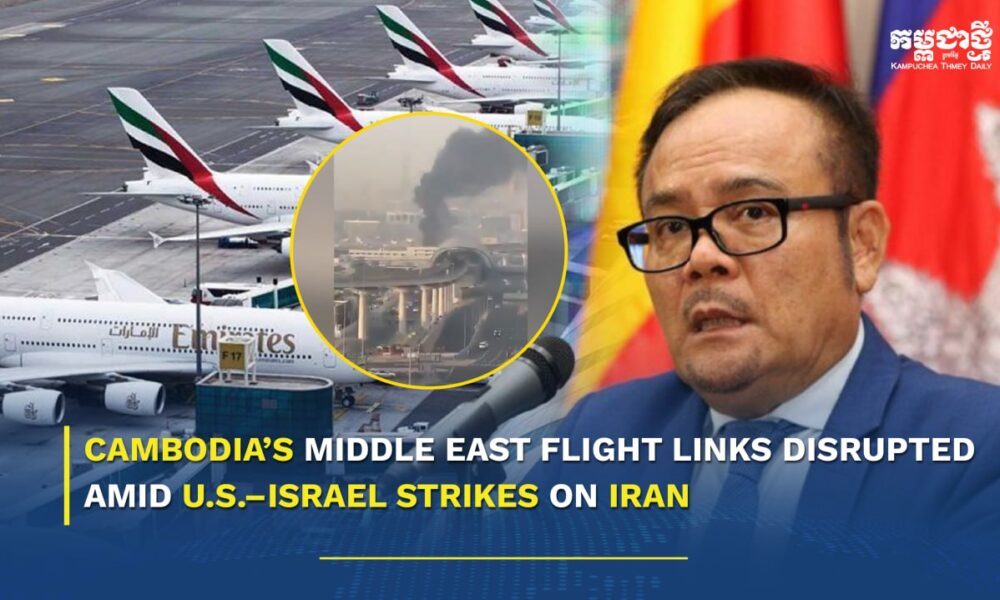
PHNOM PENH, Mar. 2, 2026 (KPT) — Cambodia’s air connectivity with the Middle East has been partially suspended and subject to temporary schedule changes following United States and Israeli strikes on Iran and retaliatory actions by Tehran, officials said Monday.
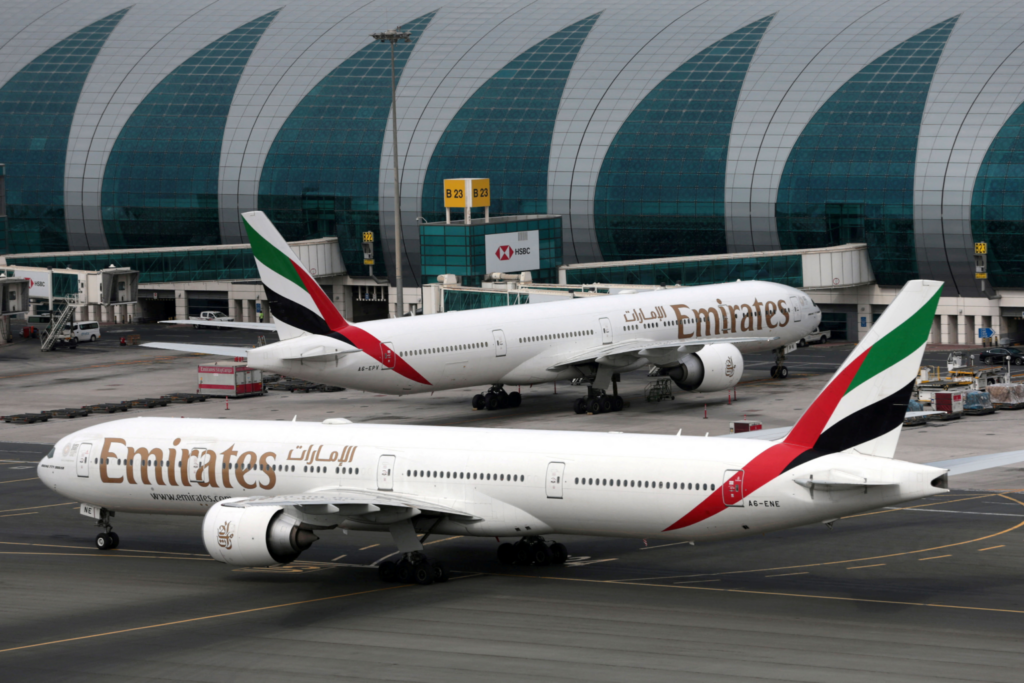
Sin Chansereyvutha, Secretary of State and spokesperson for the Secretariat of Civil Aviation (SSCA), said airlines had adjusted or suspended services transiting through Gulf hubs — including Doha, Dubai and Abu Dhabi — in response to regional airspace developments.
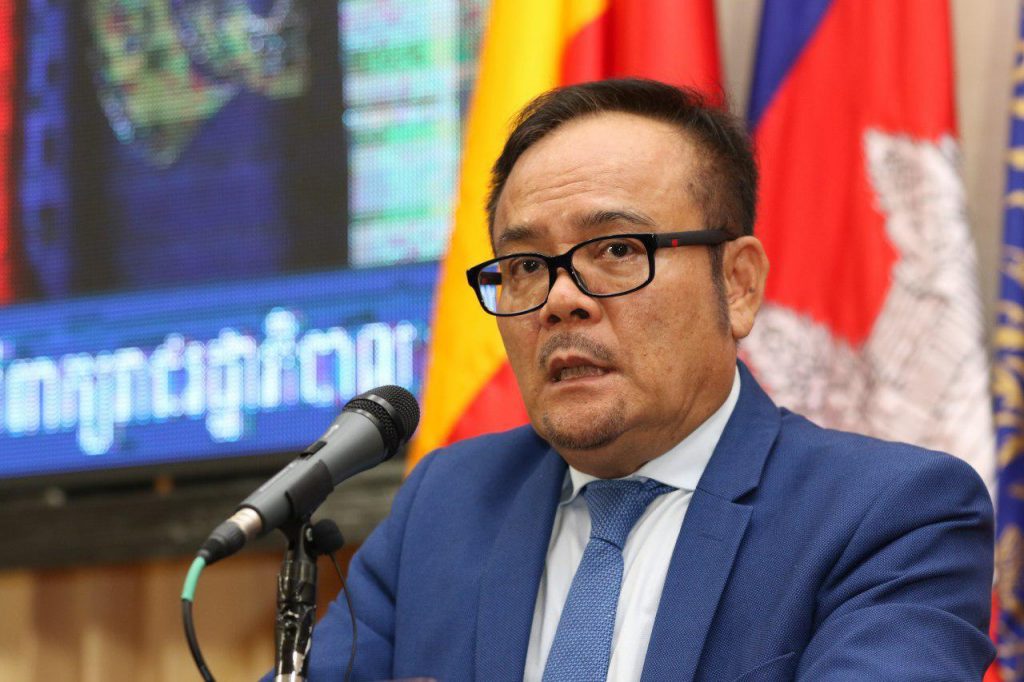
“These operational decisions are made by carriers due to external conditions in the region and are not related to any domestic security or aviation issues in Cambodia,” Chansereyvutha told reporters.
He said the SSCA was working closely with affected airlines and airport authorities to monitor the situation and assist passengers with alternative travel arrangements. Travelers were advised to check directly with their carriers for updated schedules.
Disruptions at Gulf transit hubs could cause temporary imbalances in transfer waves, affecting onward connections across Europe–Asia corridors, he noted. Airlines may also face increased logistical and customer service demands linked to rebooking and rerouting.
Despite the regional turmoil, Chansereyvutha stressed that Cambodia’s airports and national airspace remain fully operational and secure. “Our airports and national airspace continue to function normally,” he said.
Cambodia relies heavily on Middle Eastern hubs as transit bridges linking Southeast Asia with Europe, Africa and North America. Before the conflict, the country operated 52 Middle East-linked flights weekly, carrying about 12,960 passengers — or more than 51,000 per month.
“We wish to assure the public and international travelers that Cambodia’s aviation system remains stable and secure. The current measures are precautionary and external in nature. We are confident connectivity will normalize as regional conditions stabilize,” Chansereyvutha added.

-
 National2 months ago
Cambodia Expands Free ID Services While Introducing Clear Fee Structure for Administrative Documents
-
 National3 weeks ago
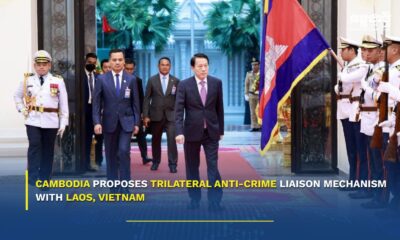
Cambodia proposes trilateral anti‑crime liaison mechanism with Laos, Vietnam
-
 National3 weeks ago
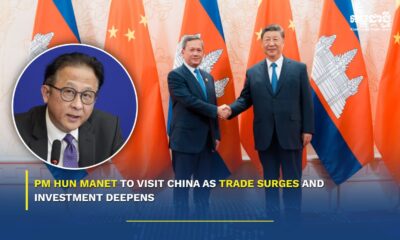
PM Hun Manet to visit China as trade surges and investment deepens
-

 National2 weeks ago
Cambodia says four soldiers injured in border blast, investigation launched
-

 National1 month ago
Samdech Techo Hun Sen Says Cambodia Can Meet Defence Needs Through Domestic Production
-

 National2 weeks ago
Cambodia opens new distribution hub to expand market access for local businesses
-
 Opinion2 months ago
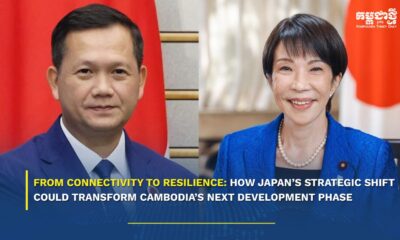
From Connectivity to Resilience: How Japan’s Strategic Shift Could Transform Cambodia’s Next Development Phase
-
 Economy2 months ago
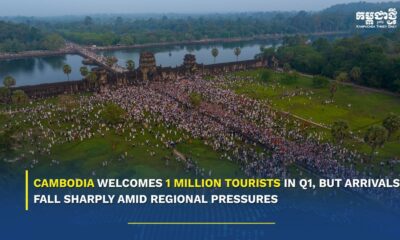
Cambodia Welcomes 1 Million Tourists in Q1, But Arrivals Fall Sharply Amid Regional Pressures