Economy
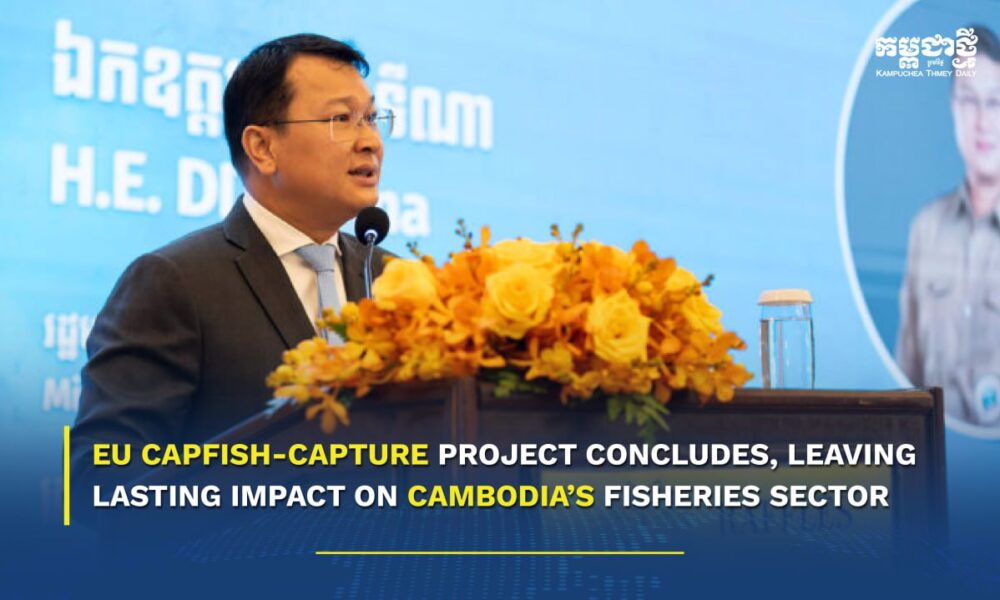
EU CAPFISH-Capture Project Concludes, Leaving Lasting Impact on Cambodia’s Fisheries Sector
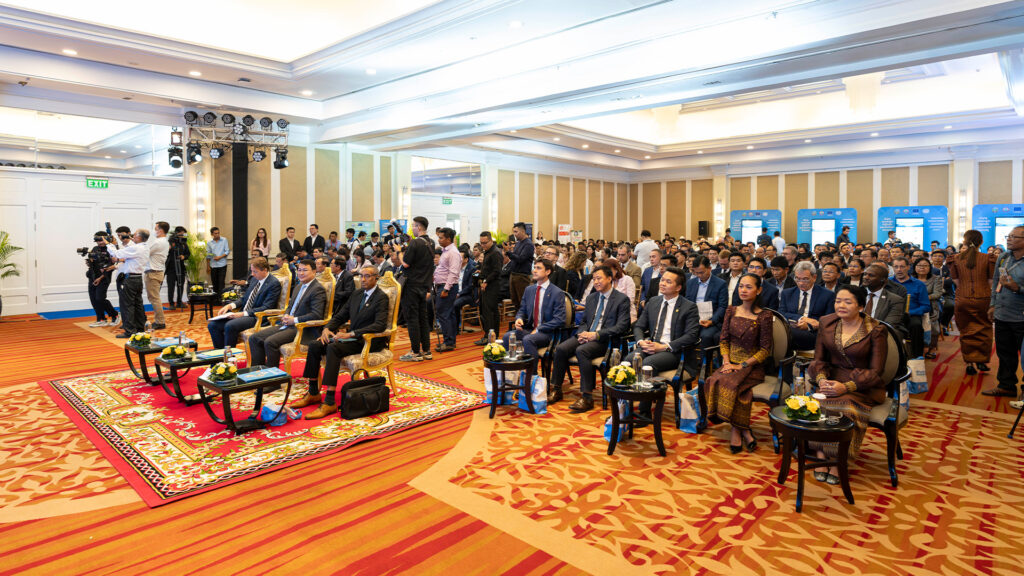
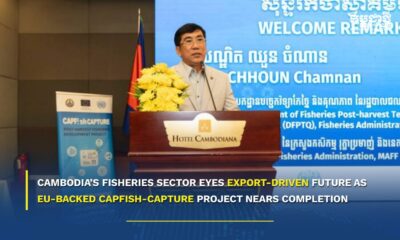
PHNOM PENH, Cambodia (Oct. 13, 2025) — The Ministry of Agriculture, Forestry and Fisheries, in partnership with the European Union and the United Nations Industrial Development Organization, on Monday marked the successful completion of the EU CAPFISH-Capture: Post-harvest Fisheries Development project.
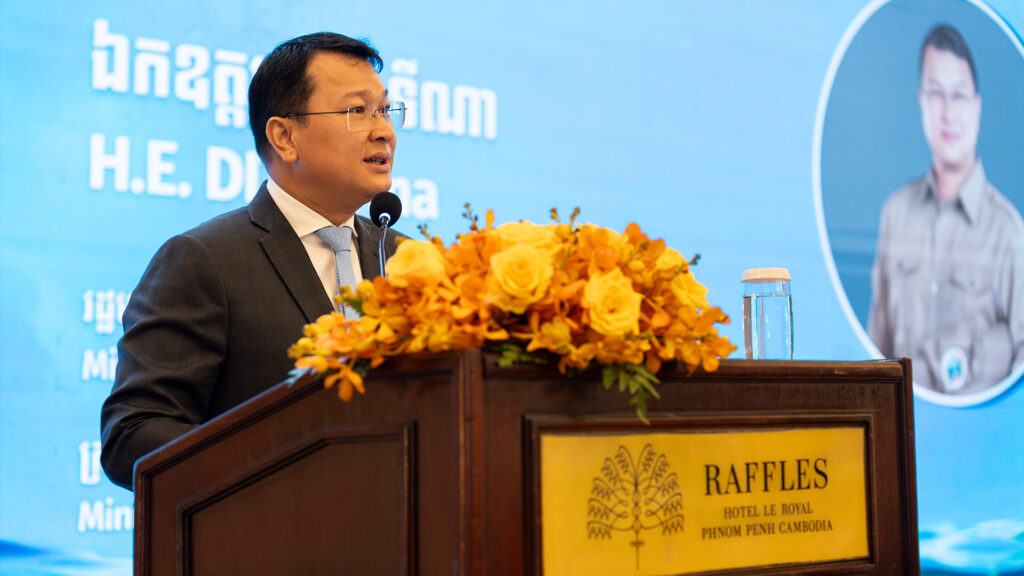
Launched under the theme “Transforming Cambodia Fisheries for Inclusive and Sustainable Growth,” the initiative has advanced Cambodia’s fisheries sector toward greater competitiveness, safety, and community-driven development, with potential for replication across other value chains.
Since its inception, the project has enhanced local fishery production through improved safety, quality, and innovation, while expanding market access. To date, 22 enterprises have earned the Cambodia Quality Seal, and four hold Hazard Analysis and Critical Control Points certification. These achievements have led to more nutritious products for consumers and better jobs, higher income, and stronger competitiveness for Cambodian businesses.
The project also significantly boosted employment opportunities in the post-harvest fisheries sector, particularly for women. Small-scale processors and rural enterprises gained access to upgraded technologies, training, research, and market opportunities, enabling sustainable growth and meaningful contributions to the economy.
“The EU CAPFISH-Capture project has generated tangible socio-economic impact by improving food safety, expanding market access, enhancing livelihoods, and creating jobs within a more inclusive and sustainable fisheries sector,” said Dejene Tezera, director of agribusiness and infrastructure development at UNIDO. “This is a showcase of UNIDO’s mandate of inclusive and sustainable industrial development.”
Sustainability and inclusion were central to the project’s mission. It promoted environmentally responsible practices such as solar drying and encouraged compliance with safety standards. Of the 64 supported fish processing enterprises, 46 are led by women and three by persons with disabilities, underscoring a commitment to inclusive entrepreneurship and ethical labor standards.
By strengthening domestic production and promoting local consumption, the project reduced Cambodia’s reliance on imported fishery products and improved its competitiveness in both local and global markets. These efforts support national food safety and contribute to broader regional food security.
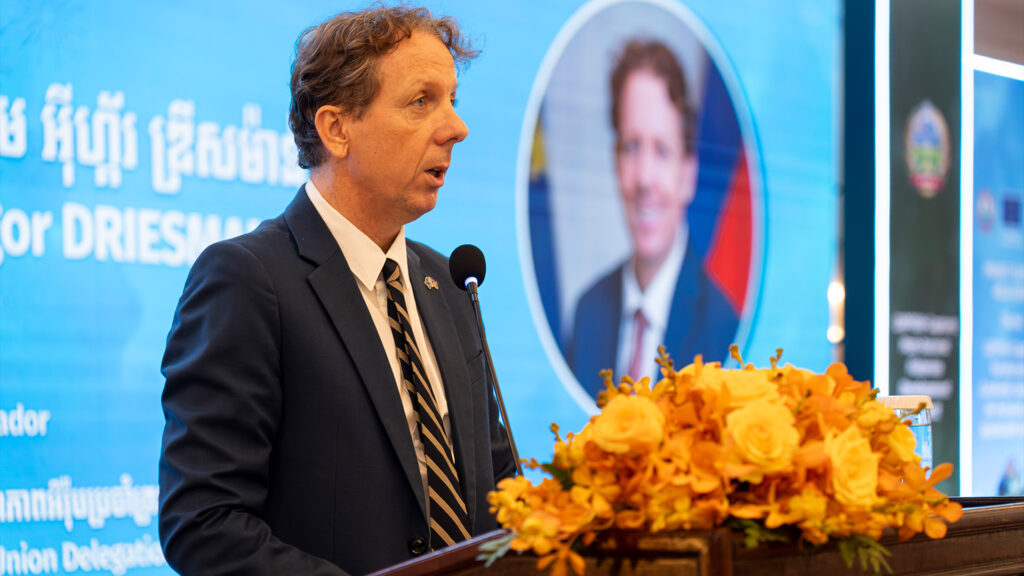
“Beyond metrics and milestones, EU CAPFISH-Capture has built trust,” said Igor Driesmans, EU ambassador to Cambodia. “It fostered dialogue, cooperation, and partnership among institutions, civil society, and the private sector. It showed that donor-funded projects must have local ownership to be impactful. I am convinced the progress will continue in the years ahead.”
As the project concludes, its legacy is expected to shape the future of Cambodia’s fisheries sector and inspire similar progress across other industries.
“The success of EU CAPFISH-Capture reflects how Cambodia’s fisheries sector is evolving — anchored in quality, sustainability, and inclusion,” said Agriculture Minister Dith Tina. “What we achieved with our partners is not just improved products, but improved lives. MAFF remains committed to scaling these results nationwide.”





-

 National2 months ago
Cambodia Expands Free ID Services While Introducing Clear Fee Structure for Administrative Documents
-

 National3 weeks ago
Cambodia proposes trilateral anti‑crime liaison mechanism with Laos, Vietnam
-
 National2 weeks ago
PM Hun Manet to visit China as trade surges and investment deepens
-

 National2 weeks ago
Cambodia says four soldiers injured in border blast, investigation launched
-

 National1 month ago
Samdech Techo Hun Sen Says Cambodia Can Meet Defence Needs Through Domestic Production
-
 National2 weeks ago
Cambodia opens new distribution hub to expand market access for local businesses
-
 Opinion2 months ago
From Connectivity to Resilience: How Japan’s Strategic Shift Could Transform Cambodia’s Next Development Phase
-
 Economy2 months ago
Cambodia Welcomes 1 Million Tourists in Q1, But Arrivals Fall Sharply Amid Regional Pressures