Economy
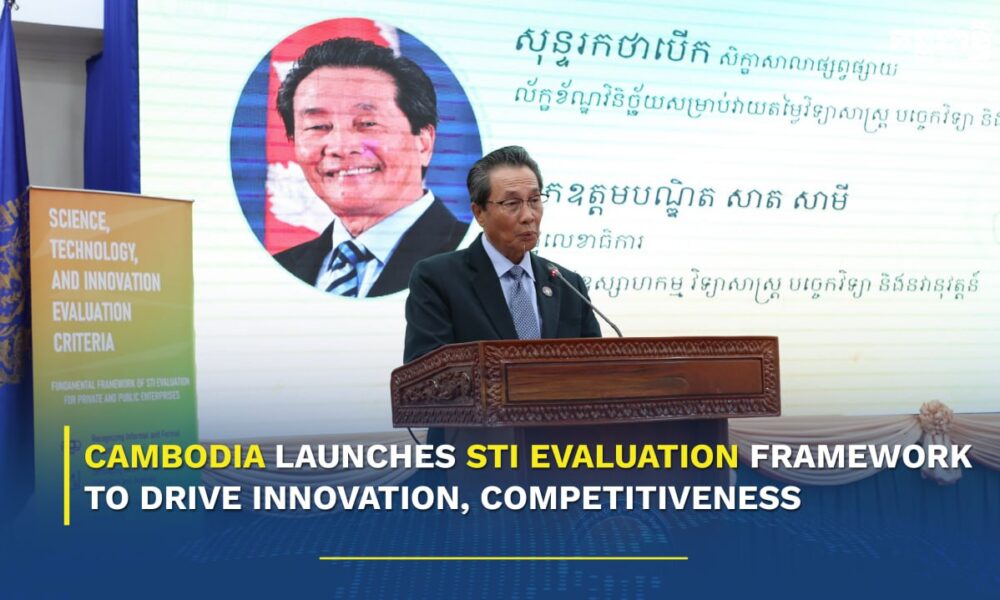
Cambodia launches STI evaluation framework to drive innovation, competitiveness
PHNOM PENH, Mar. 20, 2026 (KPT) — Cambodia has unveiled a national framework to evaluate science, technology and innovation (STI), a move officials say will strengthen governance, boost competitiveness and support long-term economic growth.
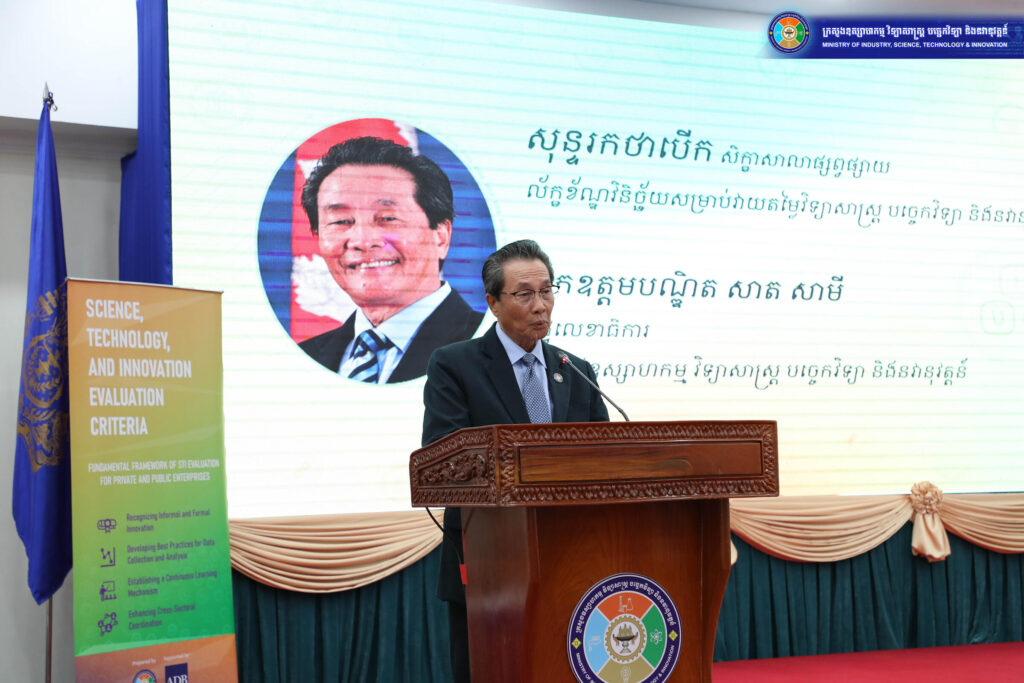
The Ministry of Industry, Science, Technology and Innovation (MISTI) introduced the “STI Evaluation Criteria Framework” on Thursday, describing it as a milestone in modernizing the country’s innovation ecosystem and aligning with global standards.
The initiative forms part of the Royal Government’s Pentagonal Strategy – Phase I, which identifies science, technology and innovation as key drivers in Cambodia’s ambition to become a high-income nation by 2050.
At the launch workshop, Secretary of State Sat Samy said the framework would serve as a strategic “compass” for national development, enabling institutions to measure, evaluate and improve their STI performance.
“In today’s rapidly evolving global landscape, science, technology and innovation are fundamental to strengthening competitiveness and governance. This framework will unlock new opportunities for Cambodia to accelerate economic growth and build a strong human capital base,” he said.
Officials said the framework addresses long-standing challenges, including fragmented evaluation practices and gaps in technological capacity between urban and rural areas. It provides standardized, data-driven tools for both public and private institutions to develop their own evaluation systems.
Try Sophal, Director General of the General Department of Science, Technology and Innovation, said the framework marks a shift toward a coordinated national approach.
“Previously, STI activities were implemented in a fragmented manner without a clear institutional mandate. This framework allows for better measurement, evidence-based policy improvements, and more effective utilization of science and technology for national development,” he said.
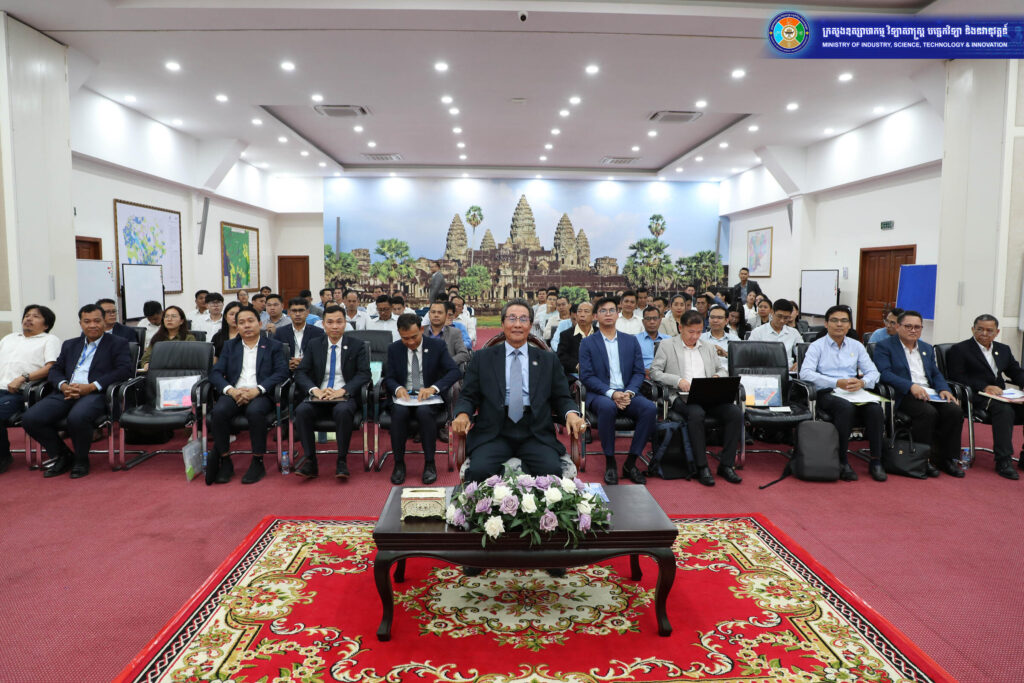
The launch event also featured pilot case studies applying the framework in higher education, research, advanced technology testing, agro-processing and automotive industries.







-
 National1 month ago
Cambodia Expands Free ID Services While Introducing Clear Fee Structure for Administrative Documents
-
 National3 weeks ago
Cambodia proposes trilateral anti‑crime liaison mechanism with Laos, Vietnam
-
 National2 weeks ago
PM Hun Manet to visit China as trade surges and investment deepens
-

 National2 weeks ago
Cambodia says four soldiers injured in border blast, investigation launched
-

 National1 month ago
Samdech Techo Hun Sen Says Cambodia Can Meet Defence Needs Through Domestic Production
-
 National2 weeks ago
Cambodia opens new distribution hub to expand market access for local businesses
-
 Opinion2 months ago
From Connectivity to Resilience: How Japan’s Strategic Shift Could Transform Cambodia’s Next Development Phase
-

 Economy2 months ago
Cambodia Welcomes 1 Million Tourists in Q1, But Arrivals Fall Sharply Amid Regional Pressures