Economy
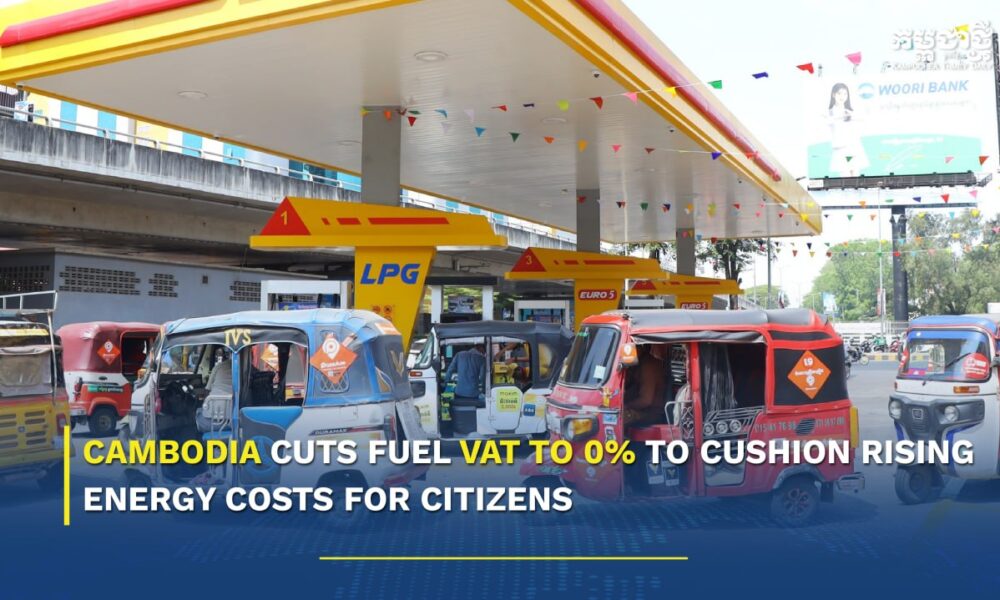
Cambodia Cuts Fuel VAT to 0% to Cushion Rising Energy Costs for Citizens
PHNOM PENH, April 6, 2026 (KPT) – Cambodia has reduced Value Added Tax (VAT) to 0% on diesel and liquefied petroleum gas in a bid to ease the impact of rising global energy prices, the Ministry of Economy and Finance announced Monday.
The measure, effective April 1, was approved under the leadership of Finance Minister Aun Pornmoniroth, with the government absorbing the full 10% VAT burden on the two fuel products.
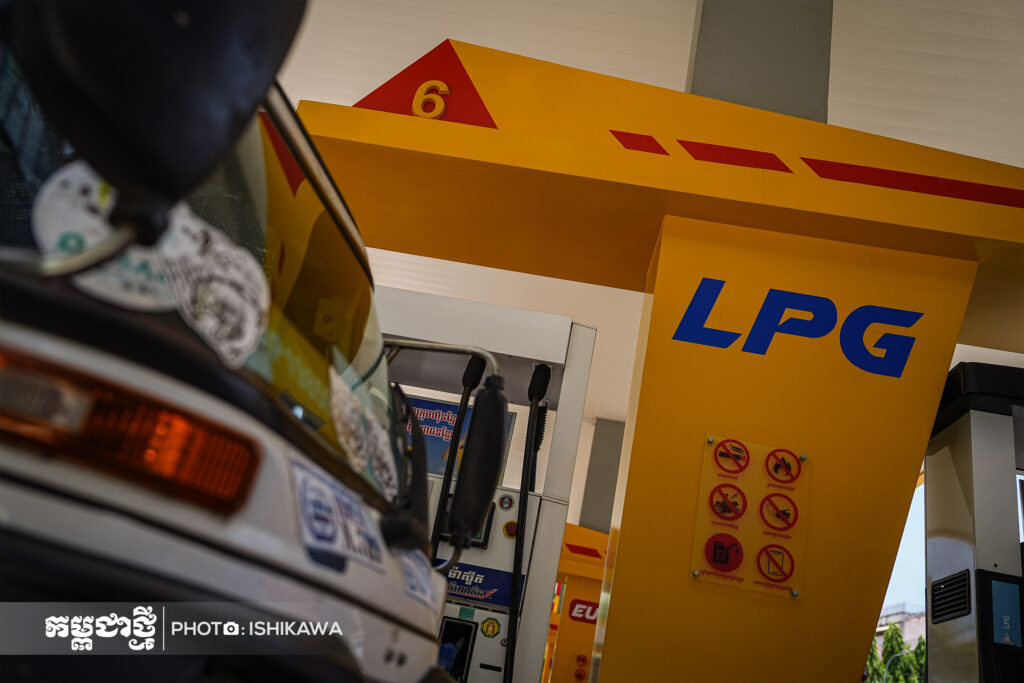
The policy is aimed at supporting household spending and reducing cost pressures as oil and gas prices surge amid geopolitical tensions. Importers and distributors must issue invoices stating that VAT is “borne by the State,” while consumers will not be charged VAT on diesel and LPG purchases.
Businesses can continue to claim input tax credits on VAT paid during import or local purchase, provided documentation is submitted.
The move comes as domestic fuel prices have climbed, with gasoline reaching 5,500 riel ($1.37) per liter and diesel 8,100 riel ($2.03). Authorities said the VAT cut complements reduced duties and subsidies, underscoring efforts to stabilize prices and protect livelihoods.



-

 National1 month ago
Cambodia Expands Free ID Services While Introducing Clear Fee Structure for Administrative Documents
-

 National3 weeks ago
Cambodia proposes trilateral anti‑crime liaison mechanism with Laos, Vietnam
-
 National2 weeks ago
PM Hun Manet to visit China as trade surges and investment deepens
-

 National2 weeks ago
Cambodia says four soldiers injured in border blast, investigation launched
-

 National1 month ago
Samdech Techo Hun Sen Says Cambodia Can Meet Defence Needs Through Domestic Production
-

 National2 weeks ago
Cambodia opens new distribution hub to expand market access for local businesses
-

 Opinion2 months ago
From Connectivity to Resilience: How Japan’s Strategic Shift Could Transform Cambodia’s Next Development Phase
-

 Economy2 months ago
Cambodia Welcomes 1 Million Tourists in Q1, But Arrivals Fall Sharply Amid Regional Pressures