Economy
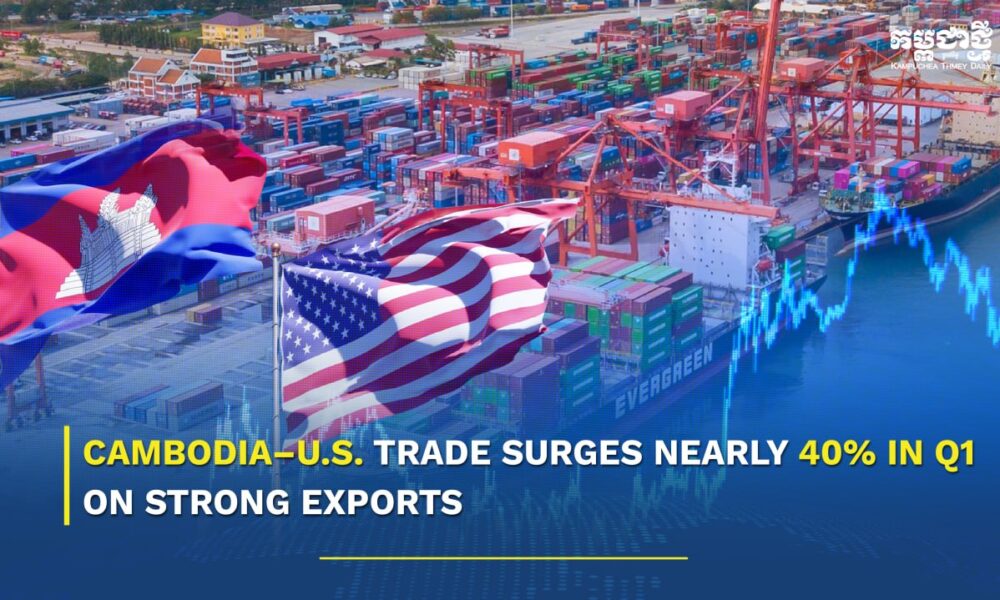
Cambodia–U.S. trade surges nearly 40% in Q1 on strong exports
PHNOM PENH, April 13, 2026 (KPT) – Bilateral trade between Cambodia and the United States jumped nearly 40 percent in the first quarter of 2026, driven by robust export growth, official data showed Saturday.
The General Department of Customs and Excise said total trade reached 3.48 billion dollars from January to March, compared with 2.5 billion in the same period last year.
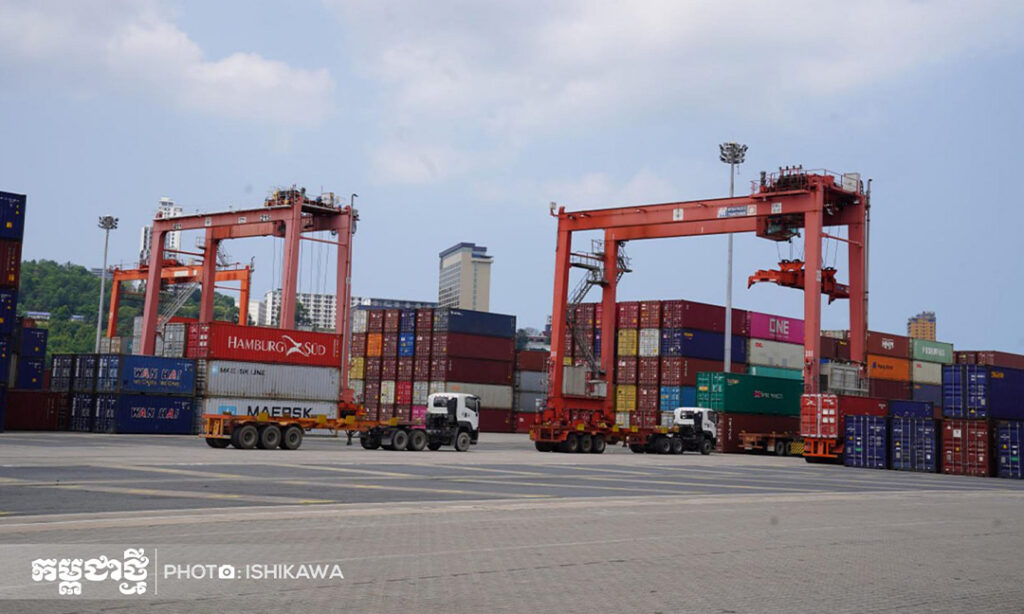
Exports accounted for the bulk, rising 38.4 percent to 3.35 billion dollars, while imports from the U.S. climbed 67.9 percent to 126 million. Key shipments included garments, travel goods, bicycles and other consumer products, reflecting strong demand from one of Cambodia’s largest markets.
Commerce Ministry spokesman Penn Sovicheat said the United States remains crucial for garment, footwear and travel goods, sustaining growth amid global uncertainties.
But Ky Sereyvath, an economic specialist at the Royal Academy of Cambodia, cautioned against heavy reliance on a single market, urging diversification.
In 2025, total trade between the two countries reached 13.14 billion dollars, up more than 29 percent year on year, underscoring the growing importance of the economic relationship.







-

 National1 month ago
Cambodia Expands Free ID Services While Introducing Clear Fee Structure for Administrative Documents
-

 National3 weeks ago
Cambodia proposes trilateral anti‑crime liaison mechanism with Laos, Vietnam
-

 National2 weeks ago
PM Hun Manet to visit China as trade surges and investment deepens
-

 National2 weeks ago
Cambodia says four soldiers injured in border blast, investigation launched
-

 National1 month ago
Samdech Techo Hun Sen Says Cambodia Can Meet Defence Needs Through Domestic Production
-

 National2 weeks ago
Cambodia opens new distribution hub to expand market access for local businesses
-

 Opinion2 months ago
From Connectivity to Resilience: How Japan’s Strategic Shift Could Transform Cambodia’s Next Development Phase
-
 Economy2 months ago
Cambodia Welcomes 1 Million Tourists in Q1, But Arrivals Fall Sharply Amid Regional Pressures