Economy
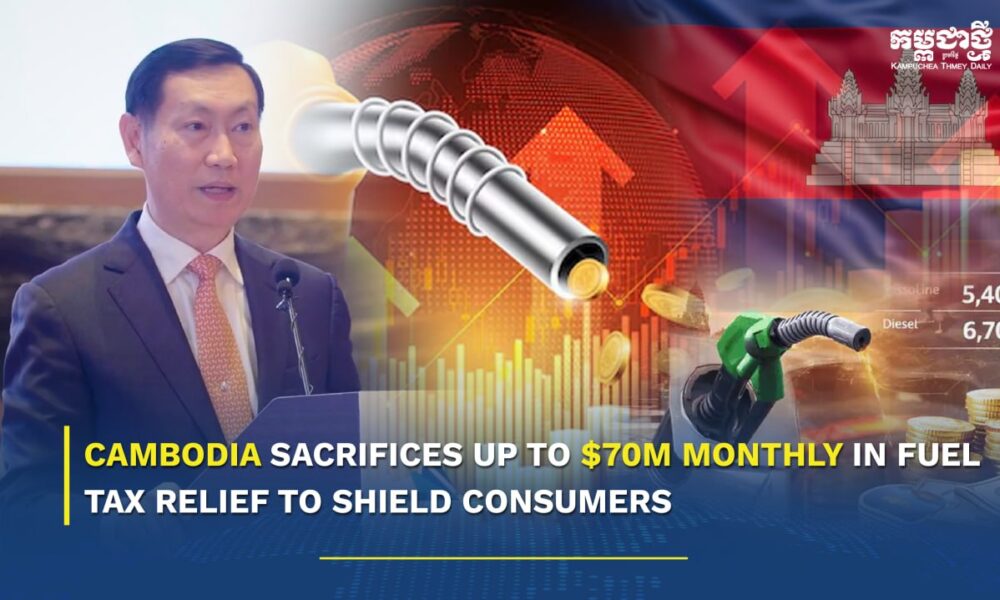
Cambodia Sacrifices Up to $70m Monthly in Fuel Tax Relief to Shield Consumers
PHNOM PENH, May 18, 2026 (KPT) — Cambodia is forfeiting between US$55 million and US$70 million in monthly revenue through fuel tax and duty reductions as the government seeks to shield households and businesses from volatile global energy prices, Mines and Energy Minister Keo Rottanak said Monday.
Rottanak acknowledged the country cannot fully insulate itself from global fuel price swings due to its complete reliance on imported refined petroleum products. But he said the government is working to ease the burden by diversifying supply sources and cutting fuel‑related taxes and duties.
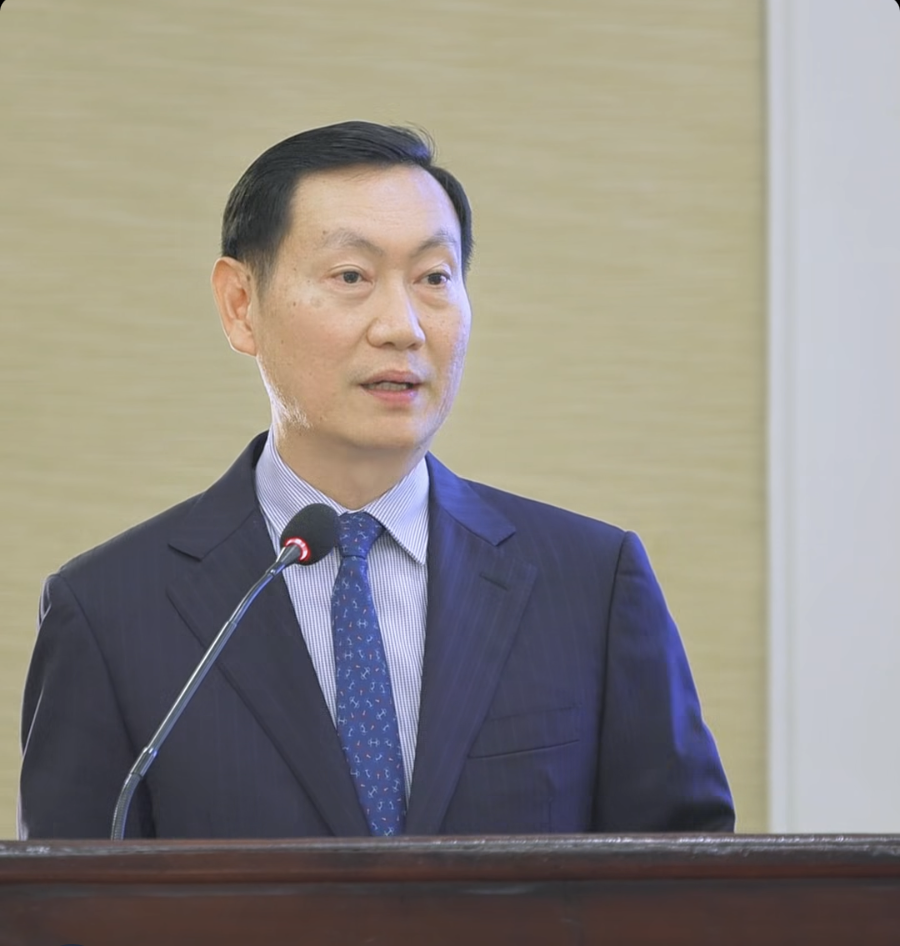
“What we can do is diversify partnerships to secure the most affordable fuel sources for industries and the public, while using all available tax and duty measures to reduce the impact,” he told reporters.
According to the minister, petroleum duty losses amount to at least US$55 million per month, with total revenue sacrifices potentially reaching US$70 million. He noted that taxes and duties on liquefied petroleum gas (LPG) have already been reduced to zero to support industries and vulnerable groups such as food vendors, manufacturers and tuk‑tuk drivers.
“On LPG, because it is so important for some industries, cooking businesses and tuk‑tuk drivers, the government has reduced everything to zero, leaving no further room for additional tax reductions,” he said.
Rottanak added that further support measures for tuk‑tuk drivers are under discussion but remain constrained by fiscal limitations and competing national priorities. “We are not fully satisfied with the current intervention, but given fiscal capabilities, competing priorities and long‑term sustainability concerns, this is what we can do at this moment,” he stressed.
Fuel prices edged lower last week after the government extended tax cuts and subsidies, with regular gasoline falling to 5,150 riel (US$1.28) per litre and diesel dropping to 5,200 riel (US$1.30). Officials said the adjustments reflected changes in regional and international markets.







-
 National1 month ago
Cambodia Expands Free ID Services While Introducing Clear Fee Structure for Administrative Documents
-
 National3 weeks ago
Cambodia proposes trilateral anti‑crime liaison mechanism with Laos, Vietnam
-
 National2 weeks ago
PM Hun Manet to visit China as trade surges and investment deepens
-

 National2 weeks ago
Cambodia says four soldiers injured in border blast, investigation launched
-

 National1 month ago
Samdech Techo Hun Sen Says Cambodia Can Meet Defence Needs Through Domestic Production
-
 National2 weeks ago
Cambodia opens new distribution hub to expand market access for local businesses
-
 Opinion2 months ago
From Connectivity to Resilience: How Japan’s Strategic Shift Could Transform Cambodia’s Next Development Phase
-
 Economy2 months ago
Cambodia Welcomes 1 Million Tourists in Q1, But Arrivals Fall Sharply Amid Regional Pressures