Economy
Archaeologists Uncover Ancient Angkor Royal Pond and Water System Dating Back to Jayavarman VII Era
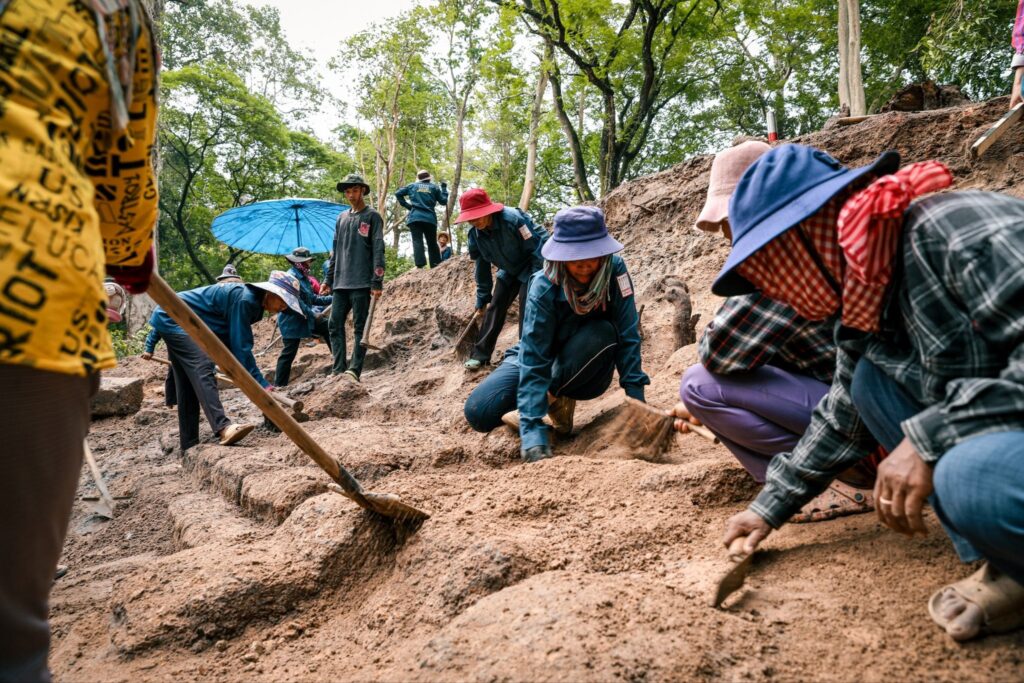
SIEM REAP, May 22, 2026 (KPT) — Archaeologists in Cambodia have uncovered remarkable new evidence of Angkorian engineering and royal life with the excavation of a centuries-old pond and water drainage system near the Royal Palace in Angkor Thom, officials said Saturday.
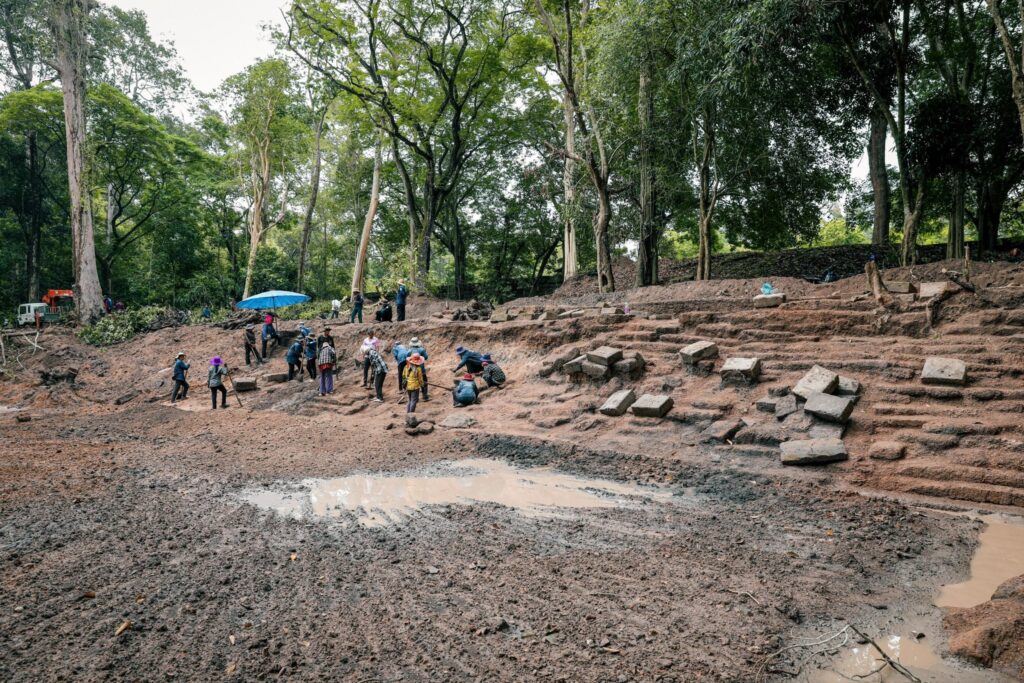
The project, led by the APSARA National Authority since February, is focused on the hydraulic network connected to the Phimeanakas temple and a structure recorded in French colonial archives as Pond No. 11.
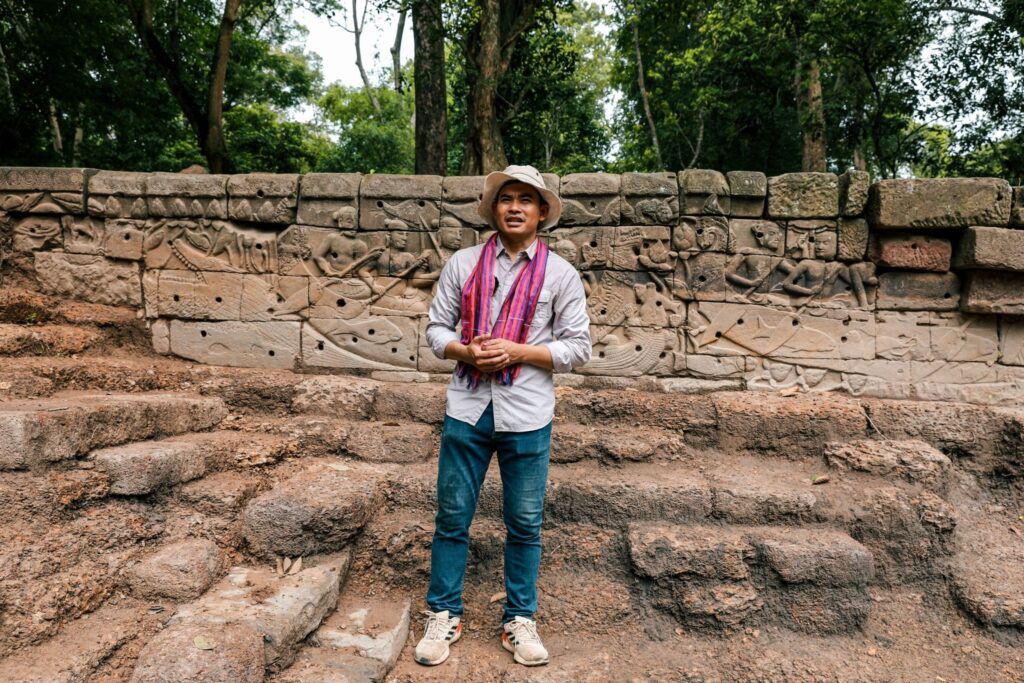
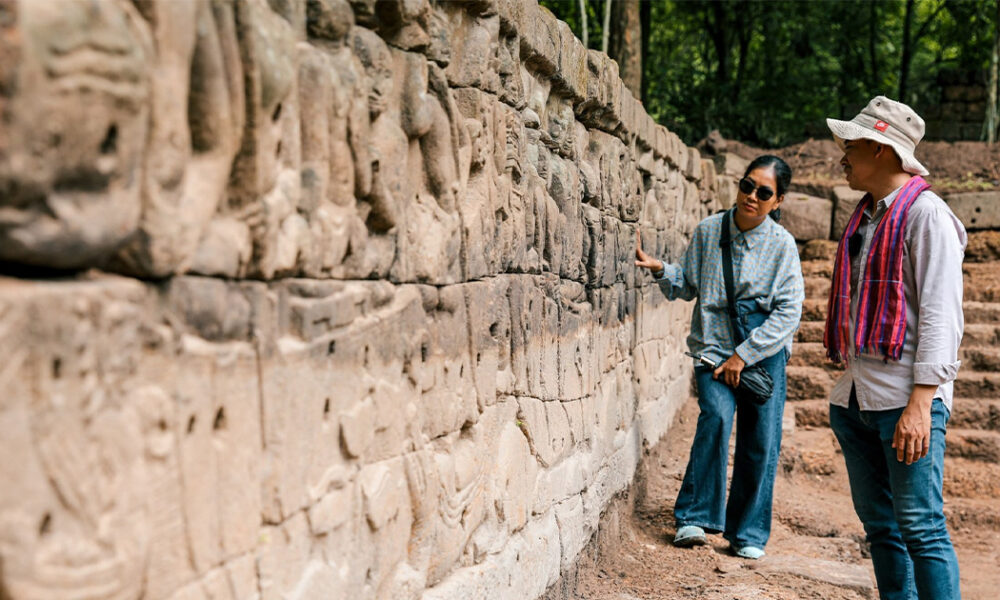
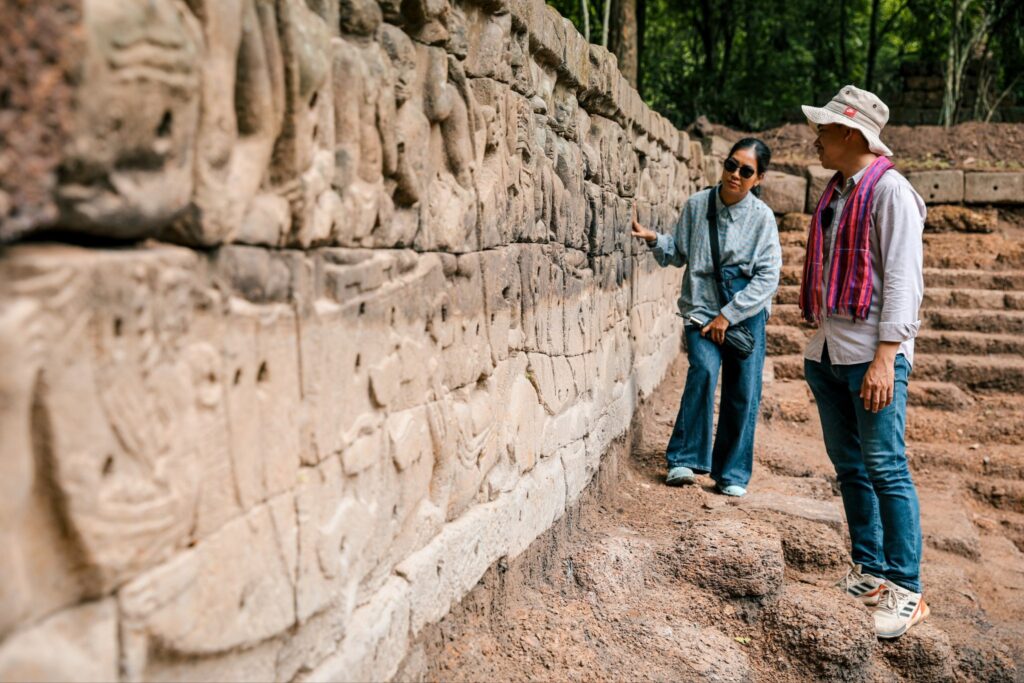
APSARA archaeologist Soum Sophea said researchers revealed a large rectangular pond built of laterite blocks, measuring about 65 meters long and 30 meters wide, and enclosed by laterite walls. Sediment layers reaching 3.5 meters deep were also documented, offering clues to ancient water management and environmental conditions.
Analysis of construction materials, soil deposits, and artistic styles indicates the pond dates to the late 12th century, during the reign of King Jayavarman VII, one of Angkor’s most influential rulers. Among the most striking finds are rare carvings depicting leisure boating scenes, believed to reflect recreational activities of the royal court.
Additional discoveries include carvings of birds, reptiles, and fish, shedding light on the biodiversity that once thrived around the water system.
Officials said the findings provide valuable knowledge of Angkor-era hydraulic engineering, environmental stewardship, and royal cultural practices. Excavations will continue, with plans for restoration aimed at reviving the pond’s original hydraulic function and preserving the site for tourism and future study.






-
 National1 month ago
Cambodia Expands Free ID Services While Introducing Clear Fee Structure for Administrative Documents
-

 National3 weeks ago
Cambodia proposes trilateral anti‑crime liaison mechanism with Laos, Vietnam
-

 National2 weeks ago
PM Hun Manet to visit China as trade surges and investment deepens
-

 National2 weeks ago
Cambodia says four soldiers injured in border blast, investigation launched
-

 National1 month ago
Samdech Techo Hun Sen Says Cambodia Can Meet Defence Needs Through Domestic Production
-

 National2 weeks ago
Cambodia opens new distribution hub to expand market access for local businesses
-
 Opinion2 months ago
From Connectivity to Resilience: How Japan’s Strategic Shift Could Transform Cambodia’s Next Development Phase
-
 Economy2 months ago
Cambodia Welcomes 1 Million Tourists in Q1, But Arrivals Fall Sharply Amid Regional Pressures