Economy
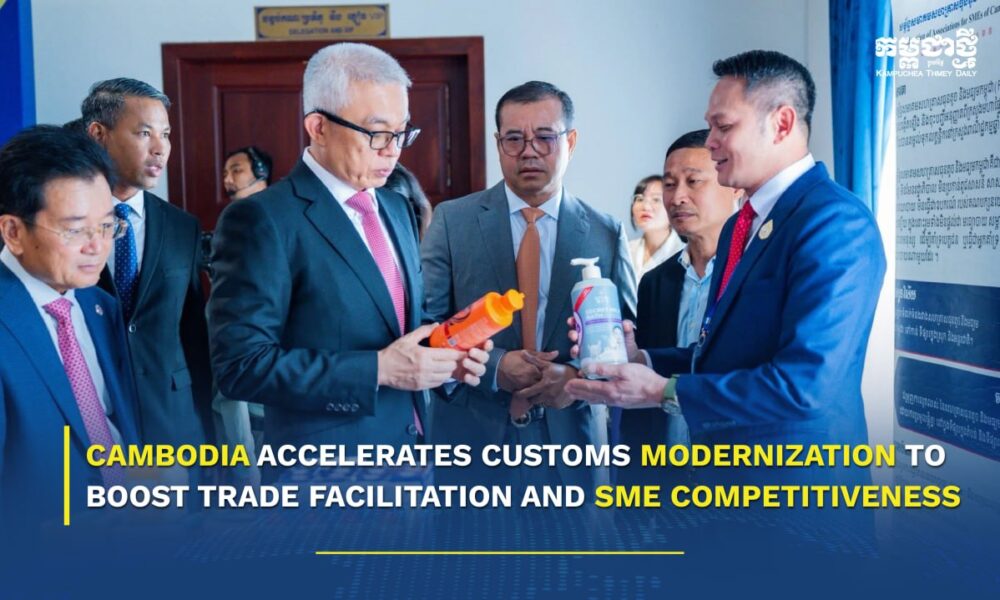
Cambodia Accelerates Customs Modernization to Boost Trade Facilitation and SME Competitiveness
PHNOM PENH, July 6, 2026 (KPT) — Cambodia is stepping up efforts to modernize its customs administration through sweeping digital reforms and trade facilitation measures designed to improve border efficiency, strengthen the business environment and enhance the competitiveness of small and medium-sized enterprises (SMEs), officials said Monday.
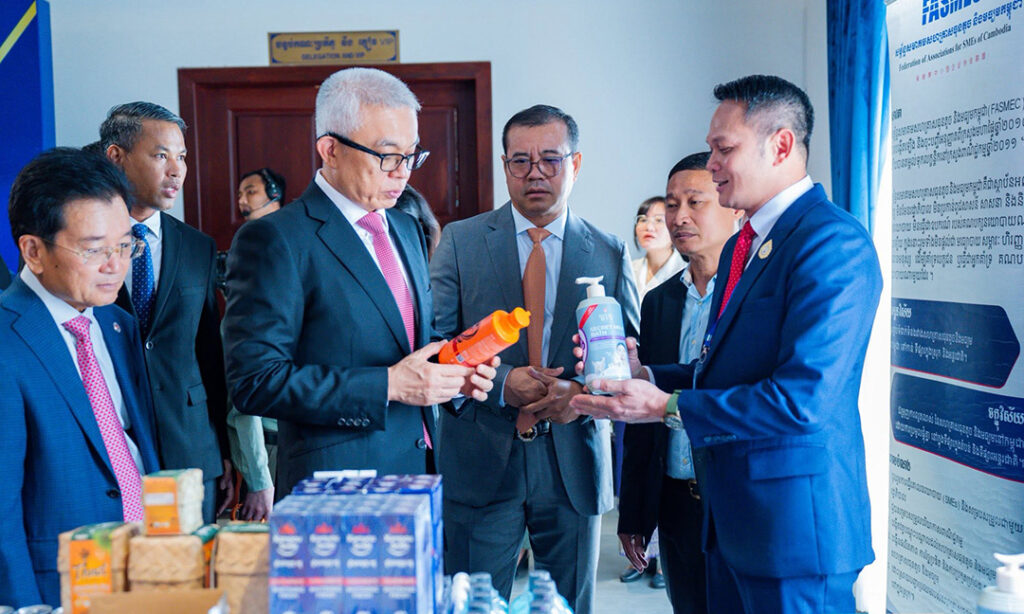
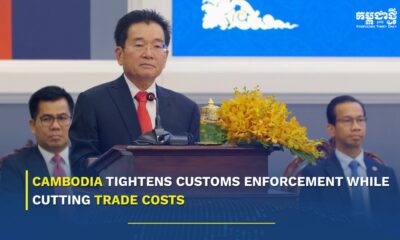
Speaking at the Customs–SME Alliance Forum, Huong Ratana, Chief of Office at the General Department of Customs and Excise (GDCE), said the authority has pursued a comprehensive modernization agenda since 2008, focusing on simplifying procedures, digitizing services and expanding support for businesses engaged in international trade.
The reforms rest on three pillars: strengthening the trade facilitation framework, modernizing customs administration and providing greater support for SMEs involved in imports and exports.
Cambodia has aligned its measures with international standards set by the World Trade Organization (WTO) and the World Customs Organization (WCO), including simplified procedures and risk management systems to accelerate cargo clearance.
A key milestone has been the shift from paper-based declarations to the Automated System for Customs Data (ASYCUDA), which has streamlined processing while improving transparency and efficiency. In May 2024, the government launched the National Single Window, integrating ministries and agencies into a single online platform that allows traders to apply electronically for permits, licenses and certificates, cutting processing times.
Regional connectivity has also been strengthened through the ASEAN Customs Transit System (ACTS), enabling seamless movement of goods across member states.
To support SMEs, the GDCE now allows pre-arrival customs declarations, helping firms reduce clearance times and improve supply chain planning. Educational videos and digital guidance have been rolled out to help SMEs navigate procedures and export requirements.
Other initiatives include an online duty payment system and a mobile app that lets traders search tariff codes and check licensing requirements.
The GDCE has expanded its Authorized Economic Operator (AEO) programme, with 12 exporters, importers and logistics companies certified. Cambodia is the only ASEAN member actively encouraging SMEs to obtain AEO status, granting them simplified procedures and preferential facilitation. Cambodian AEO-certified businesses are recognized across ASEAN, while a new mutual recognition agreement with China is expected to further boost bilateral trade.
According to the GDCE, the modernization strategy is guided by principles of simplification, harmonization, standardization and transparency, supporting the government’s broader push to strengthen trade competitiveness, attract investment and promote sustainable growth.




-
 National2 months ago
Poll Finds Strong Cambodian Support for Closer China Ties
-
 Opinion1 month ago
From Connectivity to Resilience: How Japan’s Strategic Shift Could Transform Cambodia’s Next Development Phase
-

 Opinion2 months ago
Op-Ed: A Decade of Dialogue, Yet Many Challenges Remain
-
 Economy1 month ago
Cambodia Welcomes 1 Million Tourists in Q1, But Arrivals Fall Sharply Amid Regional Pressures
-
 Economy2 months ago
Cambodia Air Cargo Surges 36% Despite Dip in Passenger Traffic
-
 Economy2 months ago
Cambodia’s Special Economic Zones Post Strong Export Growth in Early 2026
-

 Economy2 months ago
Cambodia Stock Exchange Seen as Key to Financing Growth
-

 Education2 months ago
Cambodia Launches Nationwide Live Teaching Program to Narrow Education Gap