National
Middle East Conflict Drives Oil Prices, Hits Cambodia’s Garment Sector and Economy

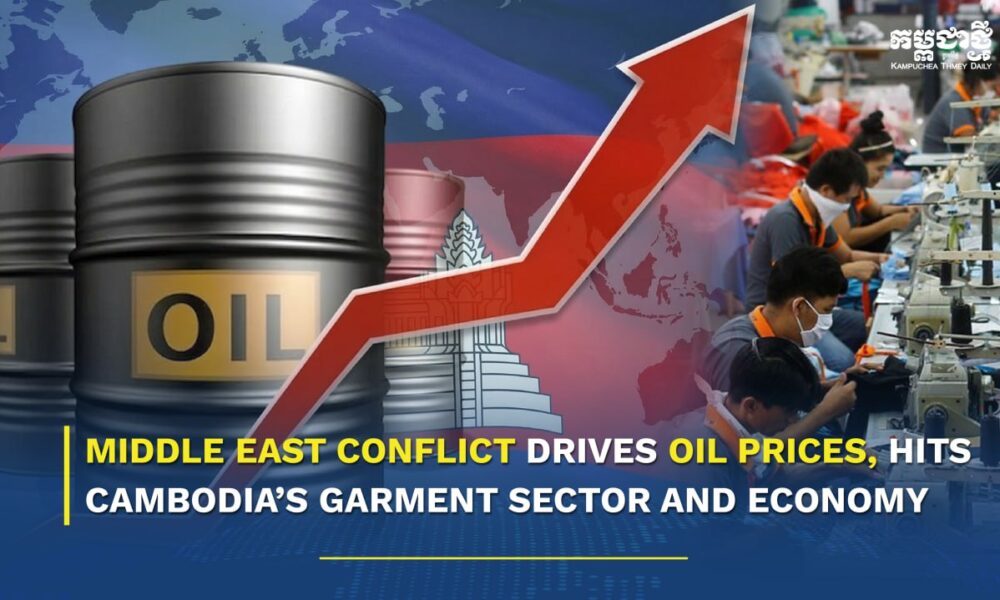
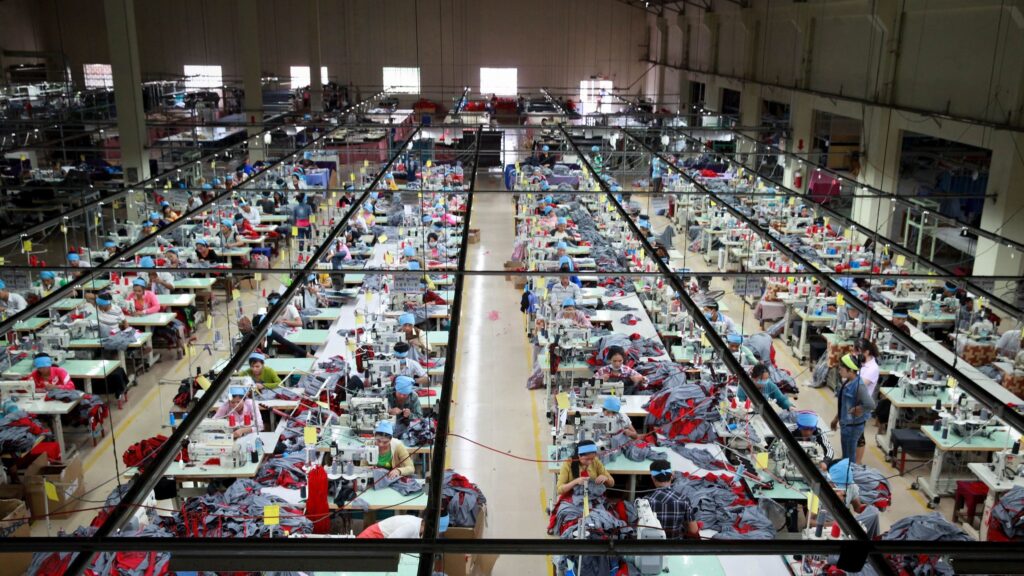
PHNOM PENH, March 11, 2026 (KPT) — The ongoing conflict in the Middle East is driving up global oil prices and disrupting logistics, creating ripple effects across Cambodia’s economy, particularly in the garment, footwear and travel goods industries, experts and industry representatives warned Wednesday.
Kaing Monika, Deputy Secretary-General of the Textile, Apparel, Footwear and Travel Goods Association of Cambodia (TAFTAC), said the crisis is pushing up shipping costs, insurance premiums and prices for key inputs such as man-made fibers used in yarn production.
“There will be impacts on logistics costs, insurance premiums, and material prices,” he said, adding that the industry has little control over oil prices unless the government steps in with subsidies.
Economic analyst Ky Sereyvath of the Royal Academy of Cambodia said fuel price volatility, driven by tensions involving the United States, Israel and Iran, represents a “dual crisis” for the global economy in 2026.
He warned that rising energy costs risk slowing Cambodia’s growth, raising production costs in agriculture, and fueling inflation. “The increase in oil prices raises production costs for agriculture, leads to higher consumer prices, and contributes to inflation,” he said.
While Cambodia’s exports continue, Sereyvath noted that some sectors are already experiencing slowdowns as higher energy costs weigh on transport and production.
In response, the Ministry of Commerce issued directives on March 9 requiring fuel distributors and service stations to comply strictly with regulations, warning of legal action against operators who exploit shortages or raise prices unlawfully.
Prime Minister Hun Manet has approved a subsidy of 6.5 U.S. cents per liter to ease consumer burdens, while Energy Minister Keo Rottanak said Cambodia is negotiating with suppliers in the United States, France, Malaysia and Singapore to secure stable imports.
“Cambodia relies entirely on imported refined products, so we are monitoring developments closely,” Rottanak said, stressing that fuel station operators must comply with official price caps or face penalties, including possible loss of licenses.
He added that stabilizing oil and gas markets remains the biggest concern for Cambodia and the world, calling for efforts to promote peace and prevent further shocks to the global economy.





-

 National1 month ago
Cambodia Expands Free ID Services While Introducing Clear Fee Structure for Administrative Documents
-

 National3 weeks ago
Cambodia proposes trilateral anti‑crime liaison mechanism with Laos, Vietnam
-
 National2 weeks ago
PM Hun Manet to visit China as trade surges and investment deepens
-

 National2 weeks ago
Cambodia says four soldiers injured in border blast, investigation launched
-

 National1 month ago
Samdech Techo Hun Sen Says Cambodia Can Meet Defence Needs Through Domestic Production
-

 National2 weeks ago
Cambodia opens new distribution hub to expand market access for local businesses
-
 Opinion2 months ago
From Connectivity to Resilience: How Japan’s Strategic Shift Could Transform Cambodia’s Next Development Phase
-

 Economy2 months ago
Cambodia Welcomes 1 Million Tourists in Q1, But Arrivals Fall Sharply Amid Regional Pressures