National
Cambodian analysts urge careful diplomacy amid Middle East crisis
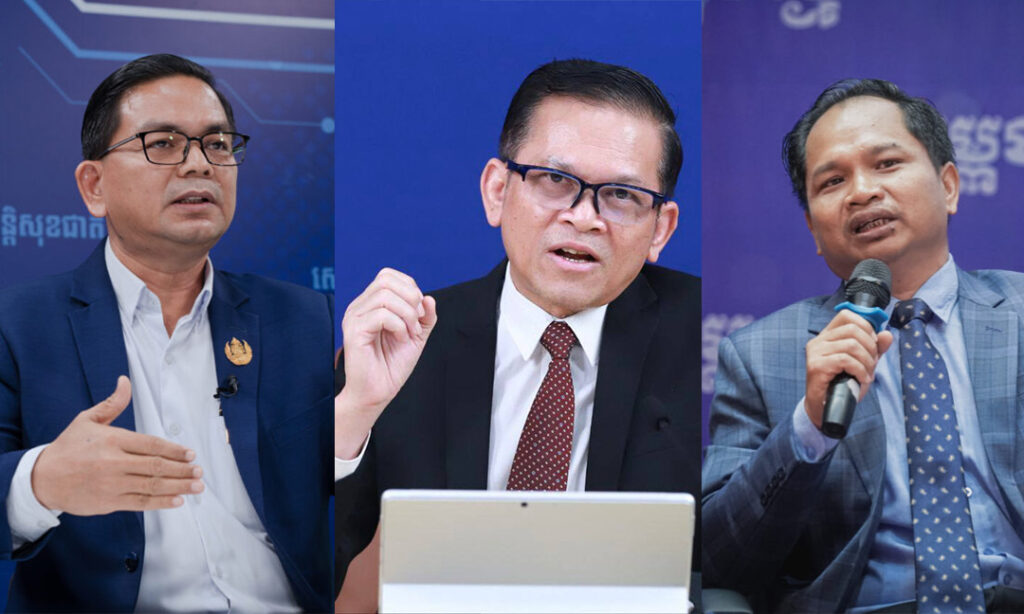
PHNOM PENH, March 3 (KPT) – Cambodian analysts have urged the government to maintain a neutral and multilateral foreign policy in response to rising geopolitical tensions, particularly in the Middle East.
Social analyst Yang Peou said Cambodia should carefully consider its diplomatic approach given growing global uncertainty. He argued the government must adhere to the constitutional principle of neutrality and work within the framework of the United Nations and international law.
“To ensure Cambodia joins with the international community based on international mechanisms to maintain peace, the government must continue to embed this in its foreign policy,” he said.
Peou cautioned against aligning too closely with major powers, citing the historical experiences of countries in Indochina. He said Cambodia, as a small state, should rely on international law and multilateral institutions to safeguard peace and stability.
Political scientist Kin Phea expressed similar views, saying Cambodia should strengthen engagement with the international community through multilateral channels, particularly regarding its border issue with Thailand.
“We have to continue our diplomatic approach. We can’t use other means,” he said, adding that Middle East tensions should not distract from regional priorities.
He said Cambodia should avoid joining rival geopolitical blocs and instead focus on strengthening defence, the economy and technology while maintaining a foreign policy rooted in international law.
Government spokesperson Pen Bona said on 2 March that authorities had stepped up measures to protect Cambodian citizens and students in parts of the Middle East affected by escalating conflict.
He said Prime Minister Hun Manet was closely monitoring the situation and had prioritised the welfare of Cambodians abroad.
“All Cambodian diplomatic missions in the Middle East have been instructed to inform nationals of safety measures and provide emergency contact support,” Bona said, adding that Cambodia was urging all parties to exercise restraint and protect civilian lives.
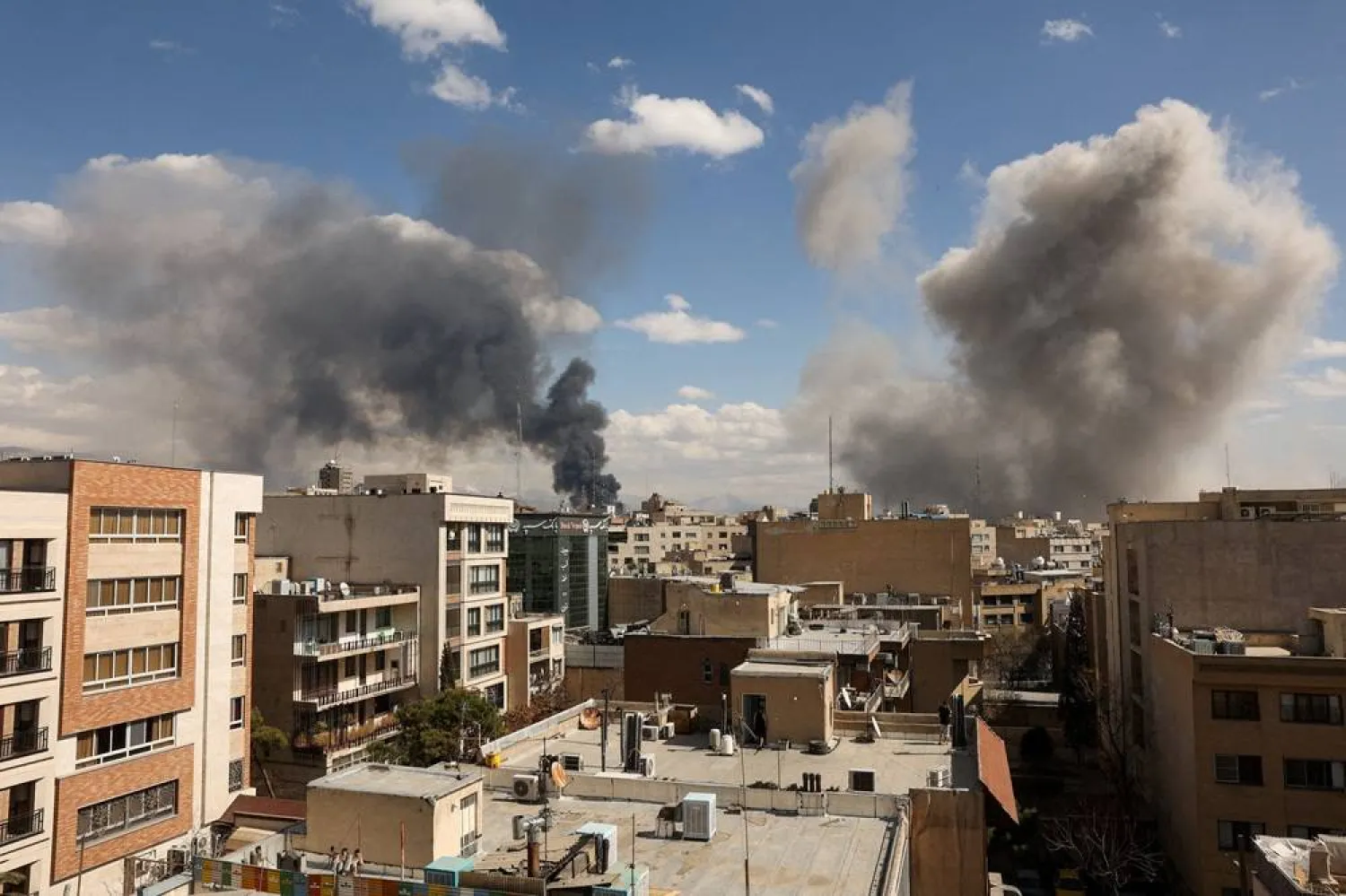
The crisis escalated in late February when the United States and Israel launched coordinated military strikes against targets in Iran, described as Operation Epic Fury.
The offensive involved air and missile attacks on Iranian military infrastructure in multiple cities including Tehran.
Iran responded with ballistic missiles, drones and strikes that hit Israeli territory and US bases across the Gulf region. Fighting has since spread to parts of Lebanon, the Arabian Gulf and neighbouring states, heightening regional instability.
The UN Security Council held emergency sessions, with Secretary‑General António Guterres warning that ongoing attacks threaten international peace and calling for de‑escalation.
Several countries, including EU members, emphasised restraint and protection of civilians, while Russia and China criticised the US‑Israeli strikes as aggressive and urged diplomacy.

-
 National2 months ago
Cambodia Expands Free ID Services While Introducing Clear Fee Structure for Administrative Documents
-
 National3 weeks ago
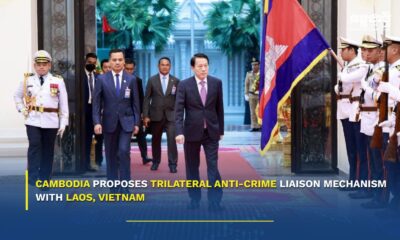
Cambodia proposes trilateral anti‑crime liaison mechanism with Laos, Vietnam
-
 National2 weeks ago
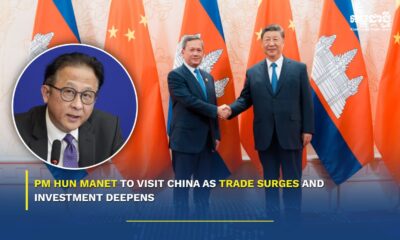
PM Hun Manet to visit China as trade surges and investment deepens
-
 National2 weeks ago
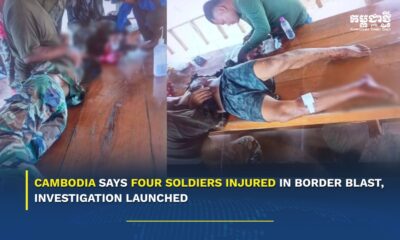
Cambodia says four soldiers injured in border blast, investigation launched
-
 National1 month ago
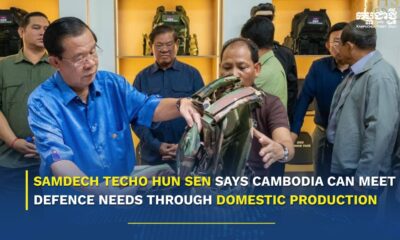
Samdech Techo Hun Sen Says Cambodia Can Meet Defence Needs Through Domestic Production
-

 National2 weeks ago
Cambodia opens new distribution hub to expand market access for local businesses
-
 Opinion2 months ago
From Connectivity to Resilience: How Japan’s Strategic Shift Could Transform Cambodia’s Next Development Phase
-
 Economy2 months ago
Cambodia Welcomes 1 Million Tourists in Q1, But Arrivals Fall Sharply Amid Regional Pressures