National
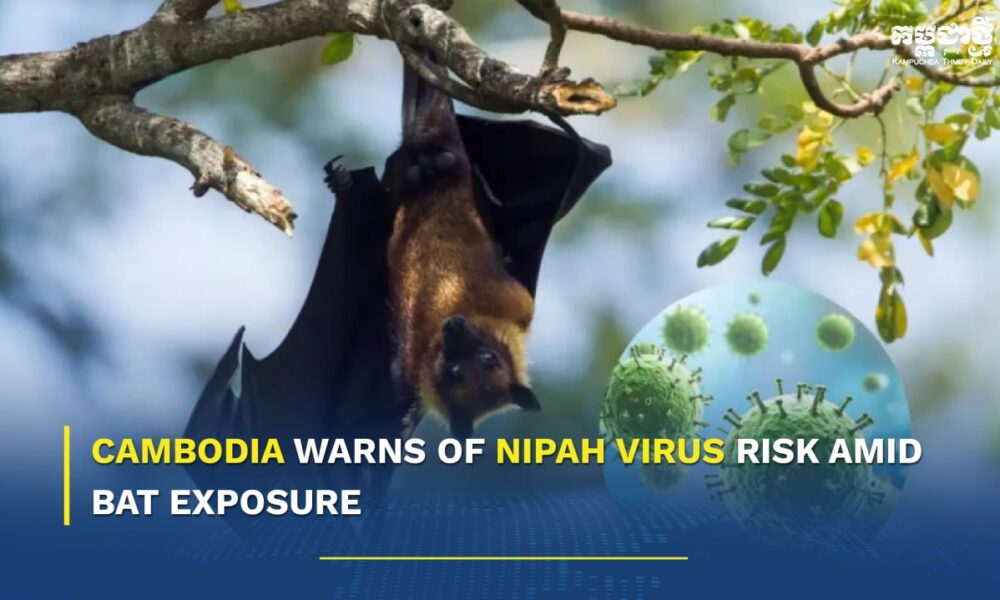
Cambodia warns of Nipah virus risk amid bat exposure
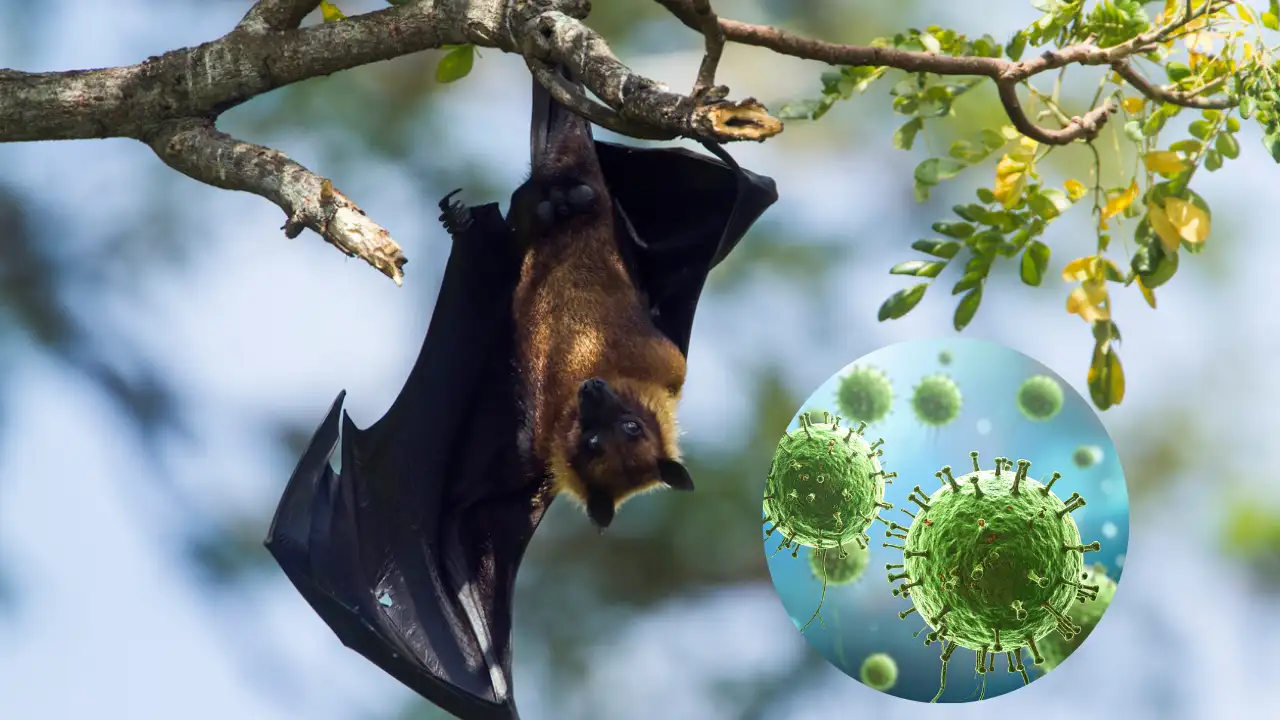
PHNOM PENH, Jan 29, 2026 (KPT) – Cambodia’s health authorities on Thursday urged the public to exercise caution around bats, civets and other wildlife amid concerns over the Nipah virus, a rare but potentially deadly pathogen.
Ly Sovann, director of the Department of Communicable Diseases and spokesperson for the Ministry of Health, said people handling bats or civets should wear gloves, masks and protective clothing to reduce the risk of infection.
“Although no cases of Nipah virus have been confirmed in Cambodia, the presence of these animals in tourist areas and populated regions is a source of concern,” he told reporters.
He advised anyone who has had direct contact with bats, civets or other wildlife to seek medical attention if they develop symptoms such as fever, severe headache or vomiting.
Cambodia has previously detected the virus in bats. Research by the Pasteur Institute of Cambodia tested about 4,000 bats in two provinces and found 30 carrying Nipah. Tests on 4,000 residents in areas with bat populations returned negative results.
The Nipah virus, part of the Paramyxoviridae family, can be transmitted from animals to humans—primarily through bats or pigs—as well as between people via direct contact with saliva or urine, according to the US Centers for Disease Control and Prevention.
In humans, infection can cause high fever, severe respiratory illness and encephalitis, or inflammation of the brain. Scientists have warned Nipah is among several pathogens with epidemic potential in the post-COVID-19 era.
Earlier this week, the Ministry of Health issued new guidance on protecting against the virus, stressing that no human cases have been reported in Cambodia but that its detection in local fruit bats has prompted preventive measures.
Nipah carries a fatality rate ranging from 40 to 70 percent, officials said.


-

 National2 months ago
Cambodia Expands Free ID Services While Introducing Clear Fee Structure for Administrative Documents
-

 National3 weeks ago
Cambodia proposes trilateral anti‑crime liaison mechanism with Laos, Vietnam
-

 National2 weeks ago
PM Hun Manet to visit China as trade surges and investment deepens
-

 National2 weeks ago
Cambodia says four soldiers injured in border blast, investigation launched
-

 National1 month ago
Samdech Techo Hun Sen Says Cambodia Can Meet Defence Needs Through Domestic Production
-

 National2 weeks ago
Cambodia opens new distribution hub to expand market access for local businesses
-

 Opinion2 months ago
From Connectivity to Resilience: How Japan’s Strategic Shift Could Transform Cambodia’s Next Development Phase
-

 Economy2 months ago
Cambodia Welcomes 1 Million Tourists in Q1, But Arrivals Fall Sharply Amid Regional Pressures