National
ASEAN Effort Reopens Cambodia–Thailand Dialogue; Political Posturing Clouds Ceasefire Path
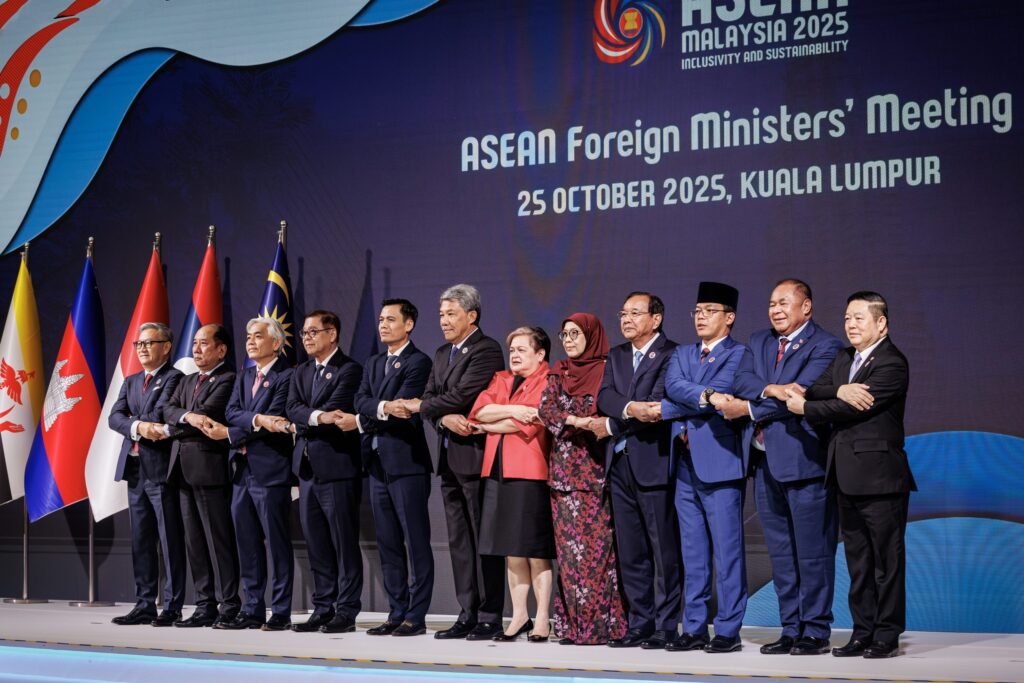
PHNOM PENH, Cambodia (Dec. 23, 2025) — The recent ASEAN Special Meeting in Malaysia has reopened diplomatic channels between Cambodia and Thailand amid renewed border tensions.
But analysts caution that expectations for a lasting ceasefire remain limited, as political maneuvering and competing narratives continue to complicate de‑escalation.
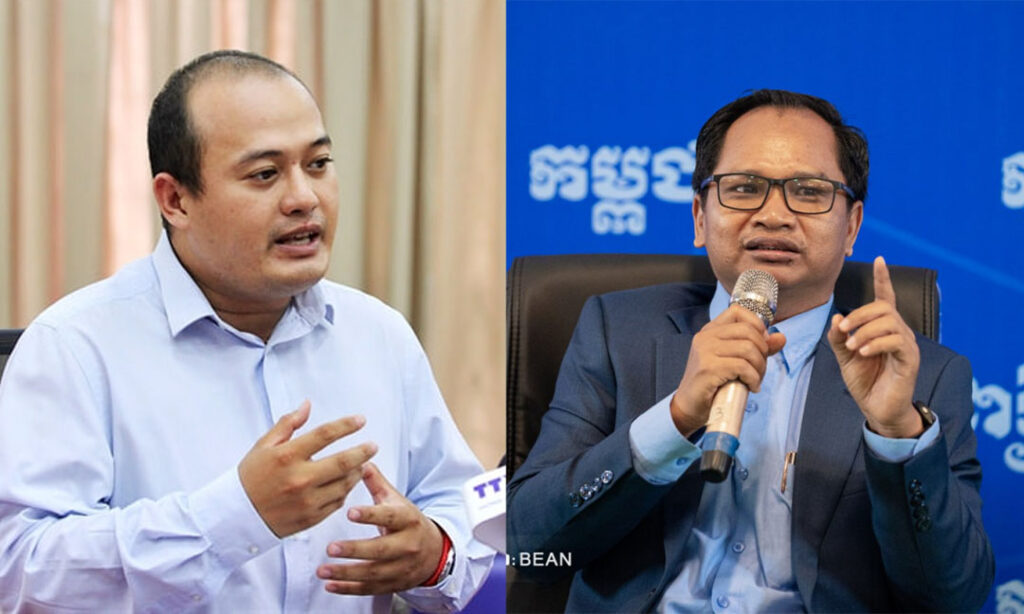
Mengdavid Thong, Deputy Director of the China–ASEAN Studies Centre, told KPT English that while ASEAN’s intervention created space for dialogue, the bloc’s ability to secure a durable truce is constrained.
He said mediation risks being undermined by political signaling and an ego‑driven contest over who controls the peace initiative.
He pointed to Thailand’s reported insistence on a formal written ceasefire request from Cambodia as an example.
“This approach risks turning ASEAN’s mediation into a platform for posturing,” Mengdavid said, warning that nationalist sentiment could delay confidence‑building measures.
Although agreements to resume a joint peace declaration and a planned meeting of military commanders are positive, Mengdavid said the ceasefire remains fragile.
Without restraint and genuine political will, ASEAN’s role may be limited to managing tensions rather than securing sustainable peace.
Lack of Consensus Underscores ASEAN’s Structural Limits
Geopolitical analyst Yang Peou echoed similar concerns, noting that the ASEAN Foreign Ministers’ Meeting in Kuala Lumpur failed to produce a joint statement.
Malaysia, as chair, instead issued an outcome statement urging both sides to exercise maximum restraint and return to the previous ceasefire.
Peou said the absence of consensus reflects ASEAN’s internal divisions but stressed Malaysia’s reaffirmation of the Kuala Lumpur Peace Accord as significant.
He cited continued hostilities on Dec. 22 as evidence of Thai aggression. “This raises serious questions about Thailand’s purpose,” he said.
Peou emphasized that ASEAN’s consensus‑based decision‑making limits swift action and argued that Thailand’s engagement with external partners further complicates the bloc’s response.
Calls for ASEAN Reform
Peou went further, arguing ASEAN must reform its institutional procedures to remain effective. “If ASEAN continues to rely solely on this rigid consensus approach, it will be unable to resolve issues that threaten regional stability,” he said.
Cambodia Reiterates Call for Immediate Truce
Following the meeting, Cambodian Foreign Minister Prak Sokhonn called for urgent truce measures, withdrawal of forces to original positions, and a peaceful settlement grounded in international law.
“Both parties must implement the ceasefire, because a one‑sided ceasefire is not workable,” he said.
ASEAN Urges De‑escalation and Dialogue
ASEAN foreign ministers said they were “seriously concerned” about ongoing tensions, citing casualties, damage to civilian infrastructure, and mass displacement.
The bloc urged Cambodia and Thailand to restore trust, return to dialogue, and implement military de‑escalation under ASEAN supervision.
Outlook Remains Fragile
While ASEAN’s mediation has reduced immediate risks, analysts agree the path to durable peace remains uncertain.
Without reforms to ASEAN’s crisis‑management mechanisms and restraint on the ground, the bloc’s efforts may remain focused on containing tensions rather than resolving the conflict.


-
 National2 months ago
Cambodia Expands Free ID Services While Introducing Clear Fee Structure for Administrative Documents
-
 National3 weeks ago
Cambodia proposes trilateral anti‑crime liaison mechanism with Laos, Vietnam
-
 National2 weeks ago
PM Hun Manet to visit China as trade surges and investment deepens
-

 National2 weeks ago
Cambodia says four soldiers injured in border blast, investigation launched
-
 National1 month ago
Samdech Techo Hun Sen Says Cambodia Can Meet Defence Needs Through Domestic Production
-

 National2 weeks ago
Cambodia opens new distribution hub to expand market access for local businesses
-
 Opinion2 months ago
From Connectivity to Resilience: How Japan’s Strategic Shift Could Transform Cambodia’s Next Development Phase
-

 Economy2 months ago
Cambodia Welcomes 1 Million Tourists in Q1, But Arrivals Fall Sharply Amid Regional Pressures