National
Indigenous Mothers in Ratanakiri Rely on Ancestral Rituals to Safeguard Pregnancy
RATANAKIRI, Cambodia (Dec. 6, 2025) — As Cambodia modernizes, indigenous minority communities in Ratanakiri province continue to turn to ancestral rituals to protect pregnant women, underscoring the enduring role of spiritual traditions in maternal care.
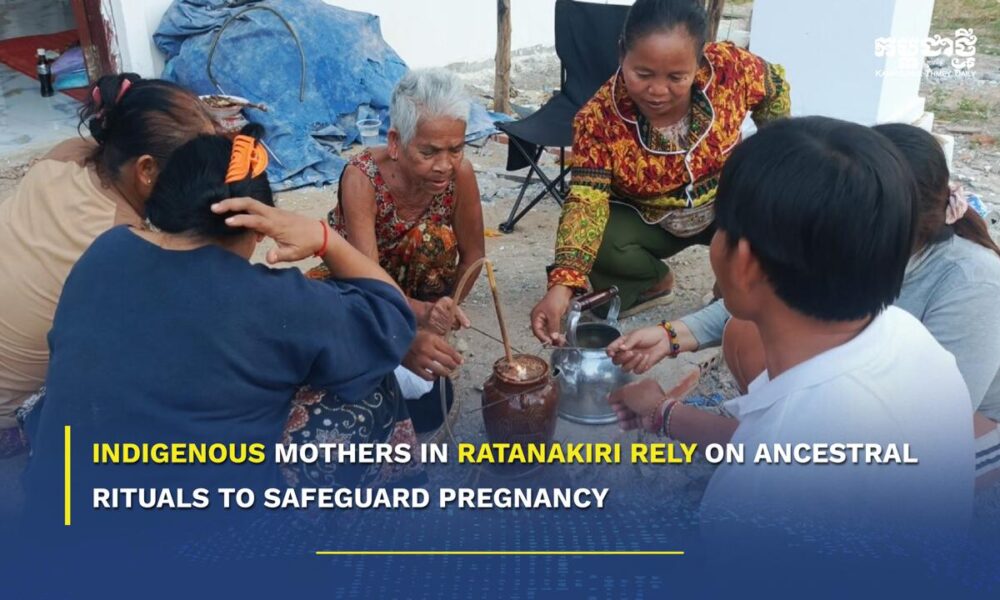
In Tiem Leu village of Veun Sai district, a young expectant mother recently underwent a Saen Pren ritual — a ceremony believed to expel misfortune and shield both mother and unborn child. The practice remains central to the cultural identity of several ethnic groups in the province.
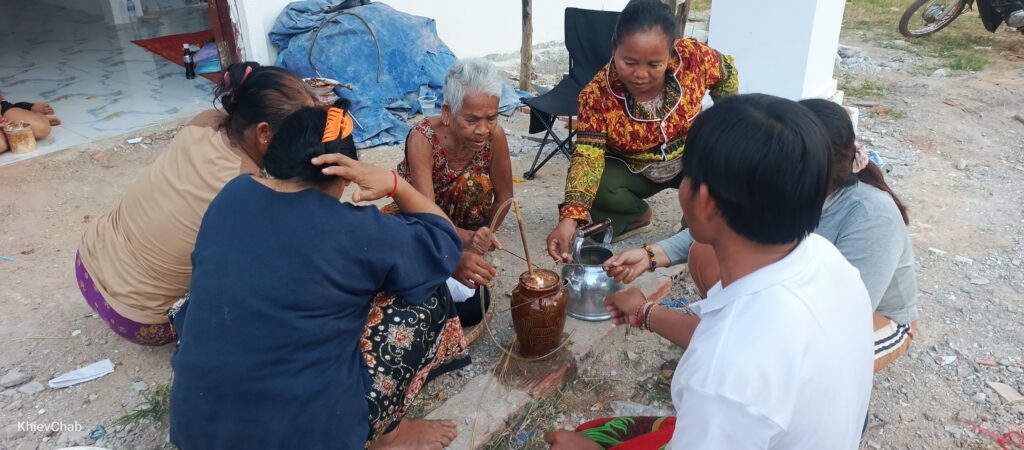
Lam Young, a 60-year-old Kreung elder who led the ceremony, said offerings of a pig, chicken, rice wine, cotton thread, traditional clothing and incense are required. During the ritual, live animals are tied in front of the home as the pregnant woman sprinkles rice toward them to appease spirits thought to cause illness.
Young explained the ritual serves two purposes: healing the mother if illness is attributed to spirits and preventing miscarriage or stillbirth, traditionally described as “unable to carry a child.”
After the ceremony, the husband assumes all household chores for three days while the wife rests and avoids certain foods — including banana blossom, catfish and red-tailed fish — believed to complicate childbirth.
Despite advances in healthcare and technology, rituals like Saen Pren remain vital for indigenous families. For many, they provide spiritual reassurance, cultural continuity and protection rooted in generations of belief.


-
 National2 months ago
Cambodia Expands Free ID Services While Introducing Clear Fee Structure for Administrative Documents
-

 National3 weeks ago
Cambodia proposes trilateral anti‑crime liaison mechanism with Laos, Vietnam
-

 National2 weeks ago
PM Hun Manet to visit China as trade surges and investment deepens
-

 National2 weeks ago
Cambodia says four soldiers injured in border blast, investigation launched
-

 National1 month ago
Samdech Techo Hun Sen Says Cambodia Can Meet Defence Needs Through Domestic Production
-
 National2 weeks ago
Cambodia opens new distribution hub to expand market access for local businesses
-
 Opinion2 months ago
From Connectivity to Resilience: How Japan’s Strategic Shift Could Transform Cambodia’s Next Development Phase
-

 Economy2 months ago
Cambodia Welcomes 1 Million Tourists in Q1, But Arrivals Fall Sharply Amid Regional Pressures