National
Cambodia Accuses Thailand of Politicizing Mine Ban Treaty
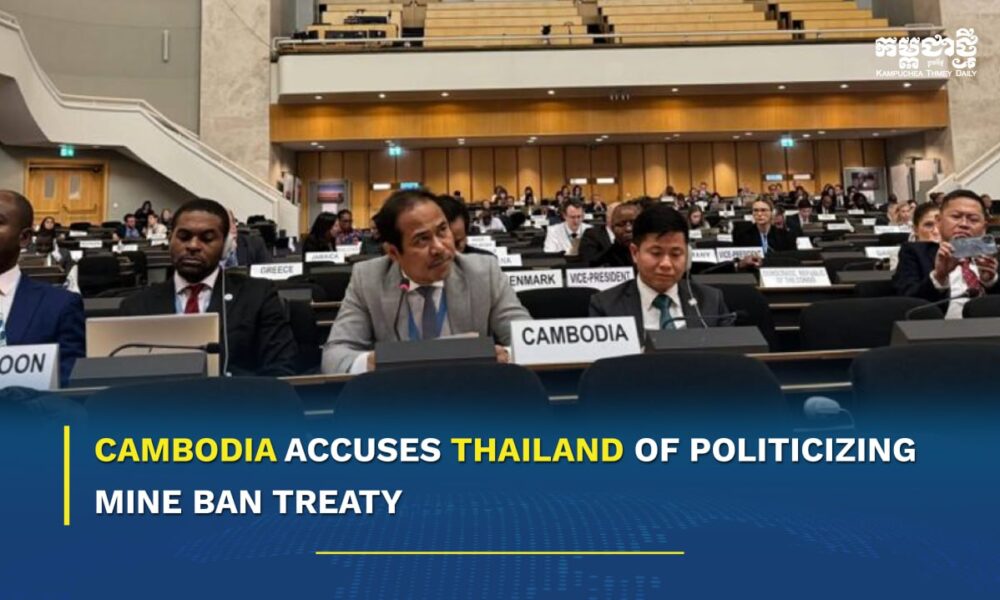
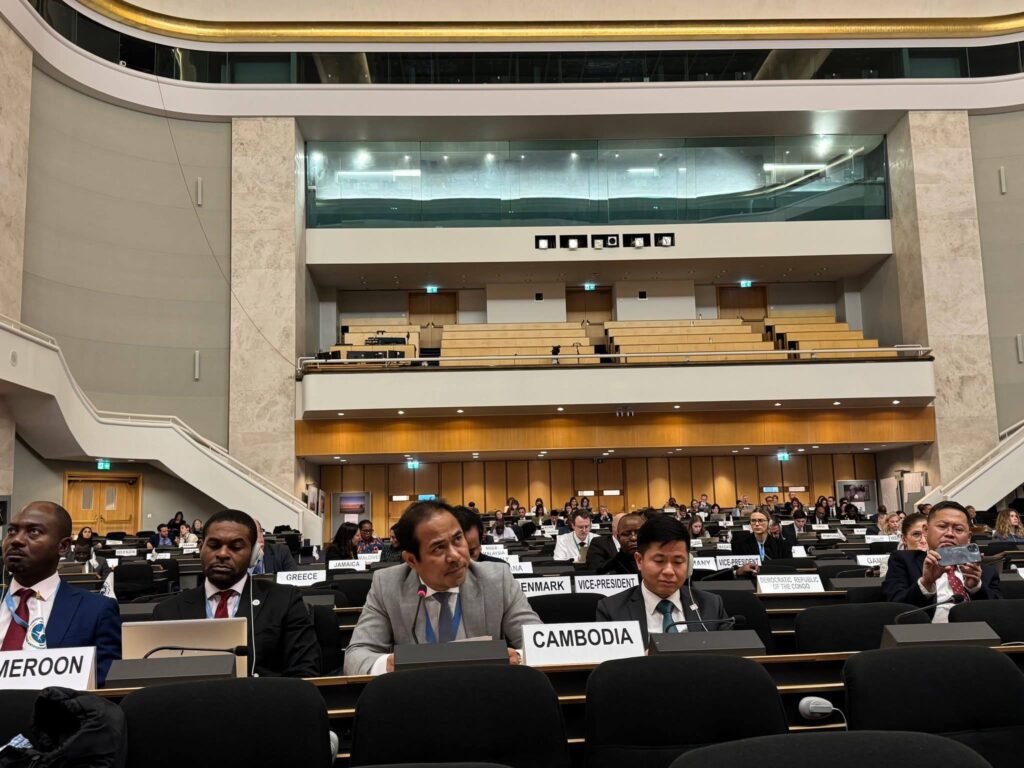
GENEVA (Dec. 5,2025) — Cambodia accused Thailand on Thursday of politicizing the compliance mechanisms of the Ottawa Convention, warning that Bangkok’s actions risk undermining the integrity of the international treaty banning anti-personnel mines.
Ambassador Dara In, Cambodia’s permanent representative to the United Nations in Geneva, rejected what he called Thailand’s “unilateral” allegations of newly laid landmines along the border, saying the claims were based on evidence gathered without Cambodian participation or independent verification.
“Claims that cannot withstand independent scrutiny cannot credibly form the basis of a compliance allegation,” Dara In said, adding that treaty assessments must rely on “verifiable evidence, objective analysis and cooperative verification.”
He said the areas in question lie within Cambodian territory as defined by early 20th-century treaties and a 2000 memorandum of understanding.
Cambodia submitted a clarification document to the UN Secretary-General earlier this year, asserting its adherence to the treaty and its record as a cooperative State Party.
Dara In warned that Thailand’s resort to Article 8(2) of the Convention, before exhausting bilateral consultations required under Article 8(1), amounted to misuse of the treaty’s procedures.
“Such politicisation erodes the integrity of Article 8 and risks transforming a humanitarian regime into a forum for strategic manipulation,” he said.
Cambodia, one of the countries most affected by landmines, said its commitment to the treaty is rooted in its own history and the need to ensure that “no community anywhere should endure the suffering our own people have known.”
The ambassador urged States Parties to uphold the Convention’s humanitarian purpose and protect its procedures from political interference, reaffirming Cambodia’s readiness to cooperate “constructively and transparently.”

-
 National2 months ago
Cambodia Expands Free ID Services While Introducing Clear Fee Structure for Administrative Documents
-
 National3 weeks ago
Cambodia proposes trilateral anti‑crime liaison mechanism with Laos, Vietnam
-
 National3 weeks ago
PM Hun Manet to visit China as trade surges and investment deepens
-

 National2 weeks ago
Cambodia says four soldiers injured in border blast, investigation launched
-
 National1 month ago
Samdech Techo Hun Sen Says Cambodia Can Meet Defence Needs Through Domestic Production
-

 National2 weeks ago
Cambodia opens new distribution hub to expand market access for local businesses
-
 Opinion2 months ago
From Connectivity to Resilience: How Japan’s Strategic Shift Could Transform Cambodia’s Next Development Phase
-
 Economy2 months ago
Cambodia Welcomes 1 Million Tourists in Q1, But Arrivals Fall Sharply Amid Regional Pressures